

Explore the enchanting world of destination weddings through the lens of a Cancun, Playa del Carmen, and Tulum wedding photographer. Dive into captivating wedding stories and discover invaluable tips for couples planning their dream weddings in the breathtaking Riviera Maya. Get inspired and informed for your own special day.

Boost Your Destination Wedding Cocktail Hour with Tequila Donkeys and Mezcal Tastings
You just kissed your partner, walked back up the aisle to the cheers of your friends and family, and the official knot has been tied. Now, the real party begins. For most destination weddings, the cocktail hour is the bridge between the emotional ceremony and the wild reception. It is the moment your guests finally exhale, kick off their heels, and get into vacation mode. But if you flew everyone all the way to Mexico, handing them a generic glass of champagne feels like a massive missed opportunity. You want to immerse them in the local culture right out of the gate.
As a destination wedding photographer based in the Riviera Maya, I have seen hundreds of cocktail hours, but the ones that truly stand out are those that embrace the setting. Couples are moving away from standard open bars and opting for interactive, culturally rich experiences that delight their guests. Two of the absolute best ways to do this are by introducing a "burro bar" and curating an artisanal agave experience. Here is how to add authentic Mexican flavor to your cocktail hour, creating unforgettable memories and incredible photos along the way.
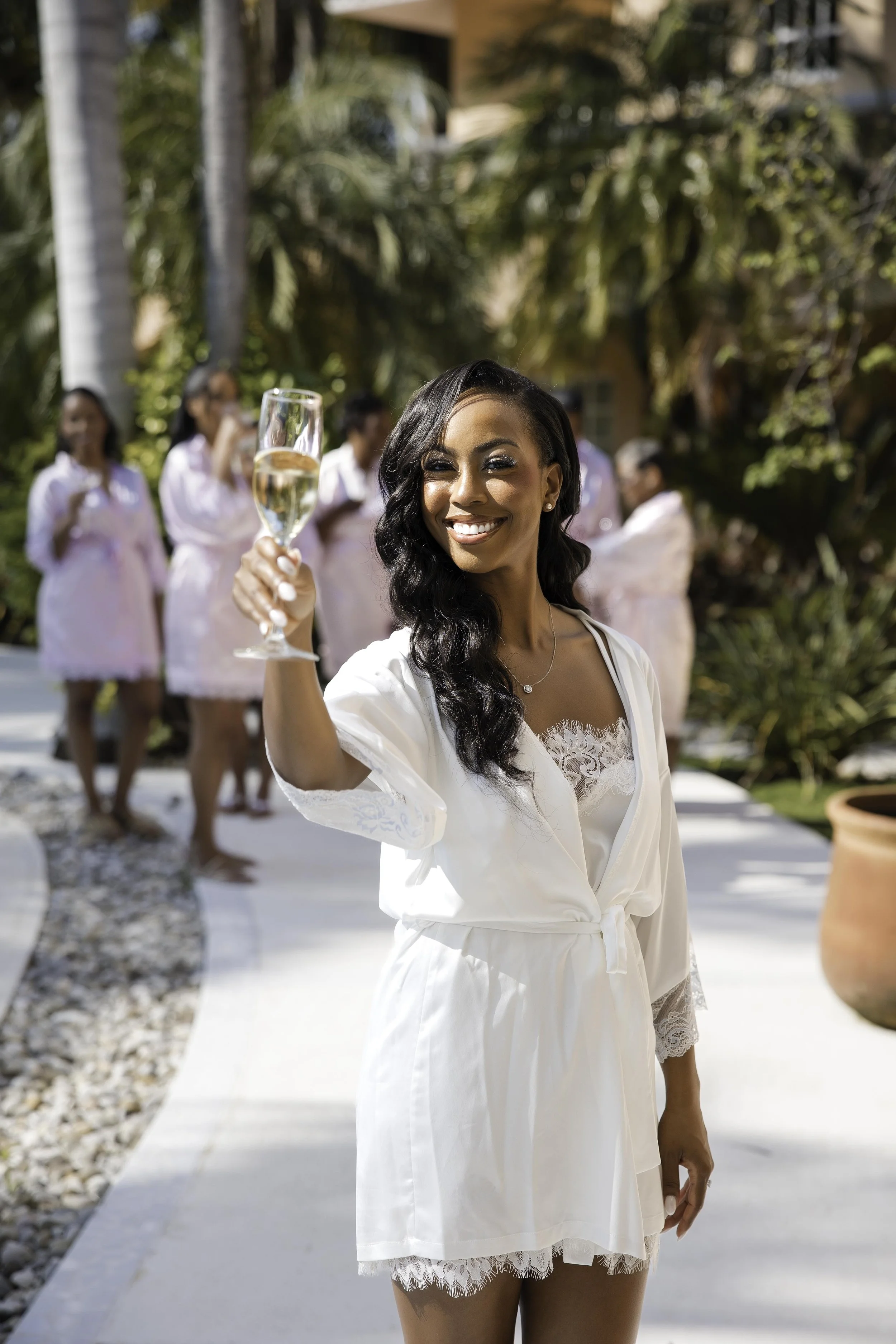
The Charm of the "Burro Bar"
If you want to instantly break the ice and get your guests laughing, a "burro bar" is the ultimate cocktail hour surprise. This tradition involves a sweet, docile donkey adorned with vibrant, colorful floral garlands and custom woven baskets filled with ice and local cerveza or tequila shooters. Instead of guests waiting in line at a traditional bar, the bartender—and their furry assistant—mingles through the crowd, offering drinks right where people are standing. It is an unexpected, unique touch that instantly signals to your friends and family that this is not going to be a stuffy, formal wedding.
From my side of the lens, the tequila donkey is an absolute goldmine for photography. The moment the burro walks into the cocktail space, phones come out, and the candid smiles are completely genuine. I love capturing the reactions of unsuspecting guests and the hilarious group photos that follow. As your destination wedding photographer in Cancun, I am always looking for elements that bring out natural joy and interaction, and nothing accomplishes that quite like a floral-draped donkey handing out tequila shots on the beach.
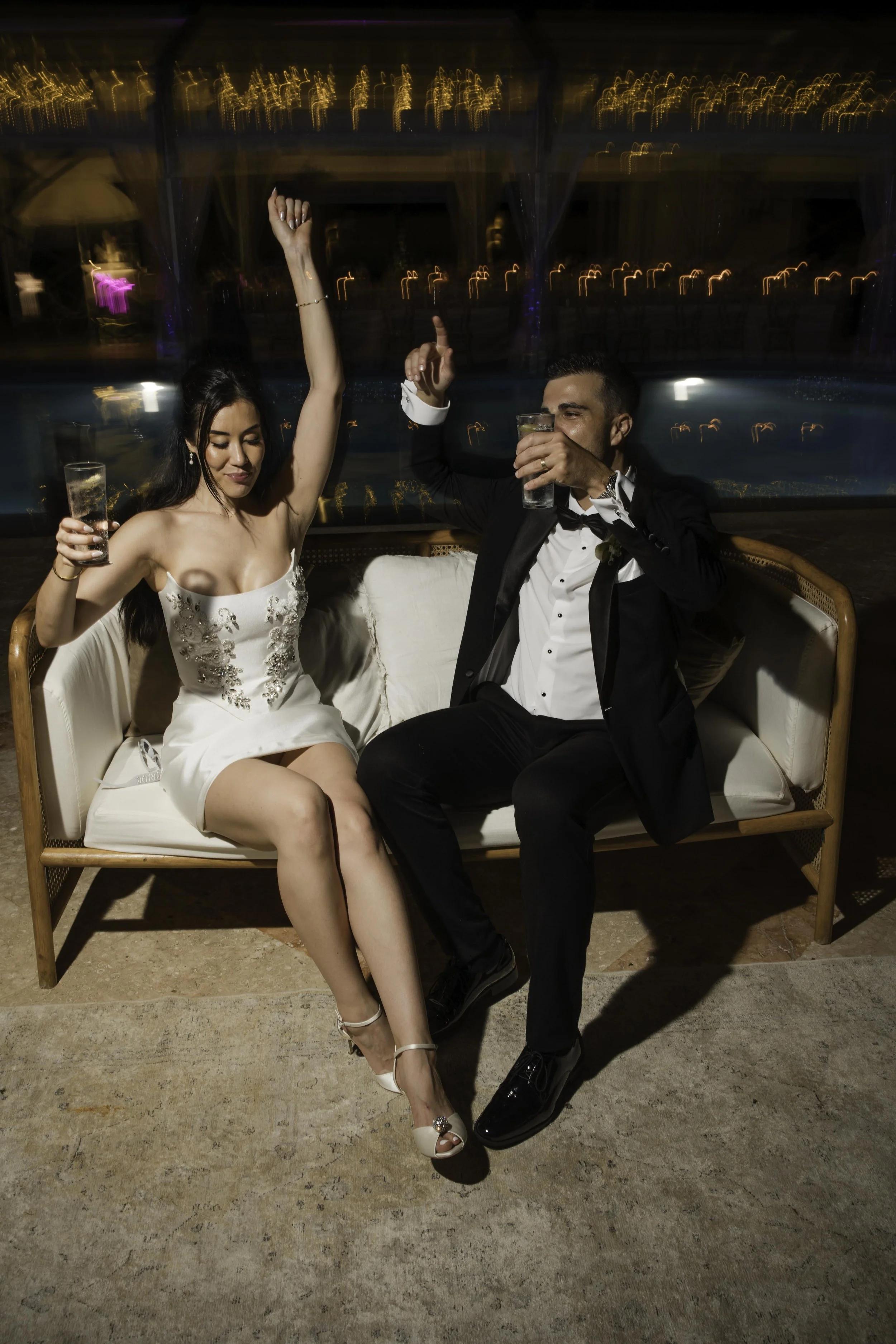
Raise the Bar with a Curated Mezcal Tasting
While a tequila donkey brings the fun, a curated mezcal tasting brings the sophistication. Mezcal has seen a massive surge in popularity, and offering a tasting station is a fantastic way to introduce your guests to the complex, smoky flavors of authentic Mexican spirits. Unlike the quick tequila shots they might remember from college, this is an interactive, educational experience. You can hire a local mezcalier to guide your guests through the tasting notes of different agave varieties, explaining the artisanal roasting process that makes mezcal so unique.
Visually, a mezcal tasting station adds a beautiful, rustic elegance to your cocktail hour decor. Think of a wooden table lined with traditional clay copitas, vibrant slices of fresh orange, and small bowls of sal de gusano (traditional agave worm salt). These earthy textures look incredible in your detail photos, adding a layer of sophisticated local flavor to your gallery. When you browse through my main page, you will see how much I love photographing these carefully styled, culturally rich setups that elevate the entire visuals of your wedding day.

Setting the Mood with Mariachi
You cannot have an authentic Mexican cocktail hour without the right soundtrack, and nothing sets the mood better than a live Mariachi band. Instead of having them just stand in the corner, I always recommend using the Mariachi to lead a procession. They can wait at the end of the ceremony aisle and physically lead you and your guests to the cocktail location, playing upbeat, joyful music along the way. It keeps the energy high and transitions the crowd seamlessly from the serious vows to the lively celebration.
This musical escort creates an incredibly cinematic moment that I love to capture. The vibrant charro suits of the musicians contrasting with your wedding attire creates a visually stunning scene. It is all about capturing the atmosphere and the movement of the day. If you want to learn more about how I document the energy and flow of these transitions rather than just posing you in front of the band, take a look at my About page. My goal is to make sure you can practically hear the trumpets when you look back at your photos.

Balancing Authenticity with Ethical Choices
When incorporating cultural elements like the tequila donkey, it is absolutely crucial to prioritize animal welfare. Not all vendors are created equal, and you want to ensure the animal participating in your wedding is well-cared for, not overworked, and treated with love by its handlers. Before booking a burro bar, ask your wedding planner about the specific vendor’s practices and reputation. The Humane Society offers great guidelines on what to look for when animals are involved in entertainment, ensuring that your fun addition doesn't come at an ethical cost.
The same ethical mindset should be applied to your beverage choices. When setting up your mezcal tasting, ask your coordinator to source from independent, family-owned palenques (distilleries) rather than massive commercial brands. Supporting small-batch producers helps sustain the local Mexican economy and preserves the traditional methods of making the spirit. Magazines like Punch often highlight the importance of ethical agave sourcing, which ensures your luxury cocktail hour actually benefits the beautiful country hosting your celebration.

Let’s Toast to an Epic Wedding
Your cocktail hour is the perfect opportunity to show your guests exactly why you chose Mexico for your destination wedding. By skipping the standard appetizers and opting for a tequila donkey, a mezcal tasting, and a live Mariachi band, you are giving them an experience they will be talking about for years to come.
My name is Evan Whitney, and at Arch Wedding Studio, I am passionate about capturing the authentic, joyful energy of your celebration. If you are planning an unforgettable destination wedding and want a photographer who knows how to document the party just as beautifully as the portraits, let’s chat.

Turning Your Destination Wedding Site Visit into a Riviera Maya Engagement Shoot
You just booked your flights to Mexico, but this isn't a vacation. It is a "site visit"—a whirlwind weekend of tasting menus, looking at linen swatches, meeting coordinators, and measuring the distance from the beach to the ballroom. Planning a destination wedding from afar requires this boots-on-the-ground trip, but amidst the back-to-back meetings, couples often forget to actually enjoy the romantic aspect of the location. As a photographer based in this tropical paradise, I always give my couples a specific piece of advice: do not leave Mexico without stepping in front of the camera.
Turning your scouting trip into a Riviera Maya engagement shoot is one of the smartest planning hacks you can utilize. It transforms a stressful weekend into a memorable, romantic experience while checking off several crucial wedding-prep boxes at once. Here is why you should absolutely book an engagement session during your destination wedding site visit.

The Vibe Check
Planning a destination wedding site visit can quickly turn into a highly caffeinated business trip. You are touring venues, negotiating contracts, and trying to visualize your 80 guests in a space you have only seen on Instagram. The Knot highly recommends these scouting trips to finalize your logistics, but the rigorous schedule can leave you feeling drained. Carving out two hours in the evening for an engagement shoot forces you to take a breath, put the spreadsheets away, and actually connect with your partner while enjoying the sunset you flew all this way to see.
It is also the perfect opportunity for what I call the "vibe check" with your photographer. If you have already booked me—or if you are considering it—an engagement session is the best way to see how we work together before the pressure of the wedding day. You will learn my posing cues, see how I handle the intense Mexican light, and realize that getting your photo taken is actually a lot of fun. You can read more about my relaxed, interactive shooting philosophy on my About page. By the time your wedding day arrives, we won't be strangers; we will be friends, and you will feel completely at ease in front of my lens.
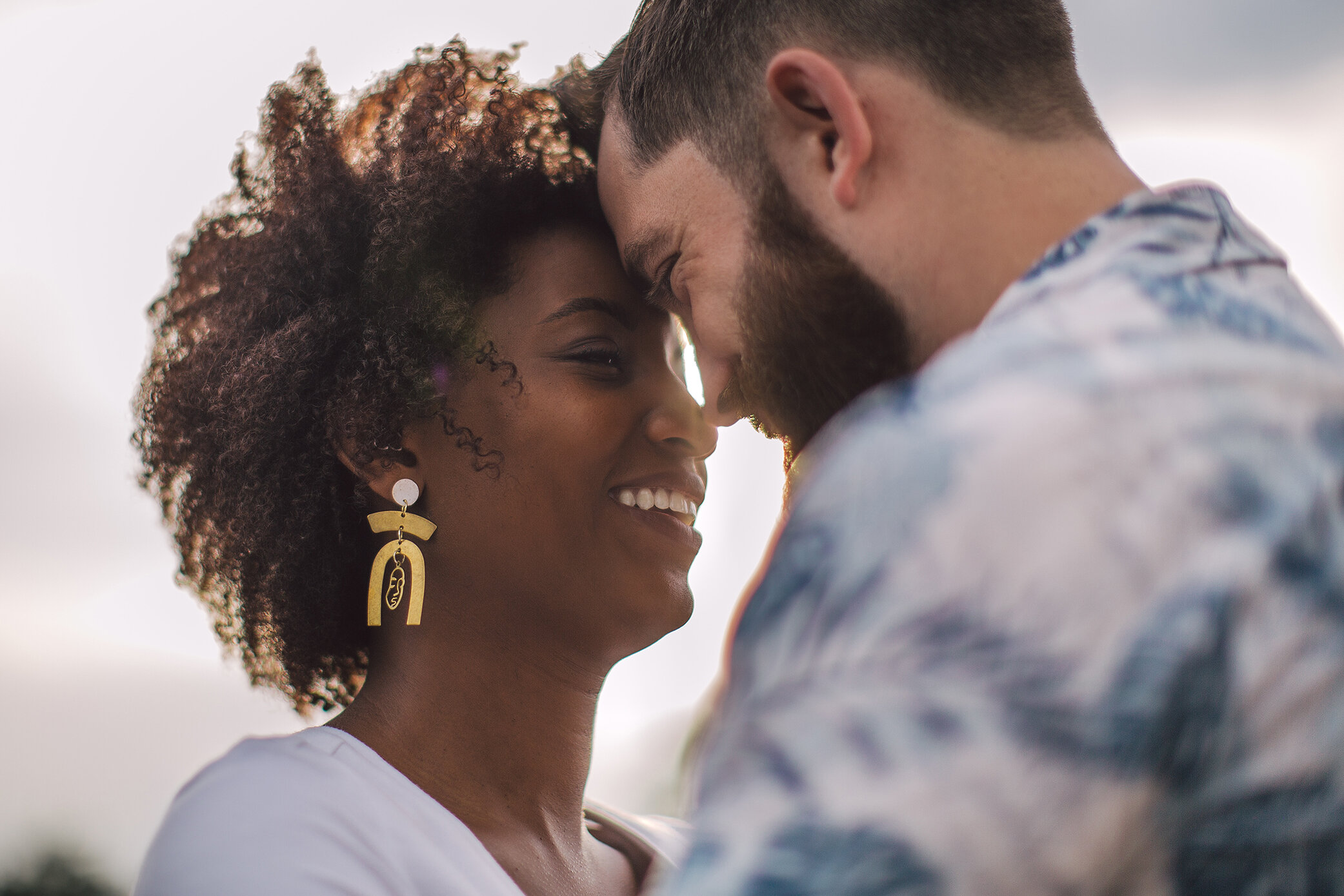
Escaping the Resort Bubble
On your actual wedding day, our timeline is incredibly tight, and we are usually confined to your specific venue or resort. While your venue is undoubtedly gorgeous, the coast has so much more to offer visually. A site visit engagement shoot is our chance to escape the "resort bubble" and explore the authentic, raw beauty of the region. We can wander through the vibrant, colorful streets of Playa del Carmen, take a boat out on a lagoon, or head deep into the jungle for a truly unique backdrop that you simply won't get on your wedding day.
One of the most requested locations for these sessions is a natural sinkhole. Taking photos in the crystal-clear water and dramatic limestone caves gives your gallery an adventurous, editorial edge. The Yucatan tourism board highlights cenotes as the crown jewels of the region, and they photograph beautifully. As your destination wedding photographer in Cancun, I know the hidden, off-the-beaten-path locations that aren't crowded with tourists. This gives you a visually diverse collection of images—elegant resort shots for the wedding, and adventurous, barefoot jungle shots for your engagement.

Maximizing Your Hair and Makeup Trials
Almost every bride schedules her professional hair and makeup trial during her venue tour weekend. The logic makes sense: you want to see how the local artists execute your vision and how the products hold up in the tropical humidity and ocean breeze. However, it is a tragic waste to spend two hours getting glammed up only to go back to your hotel room and order room service. Scheduling an engagement shoot immediately after your trial allows you to document that flawless look and see exactly how it translates on professional camera equipment.
This is also your chance to play with your wardrobe and wear something completely different from your wedding day. If you are wearing a classic, structured white gown for your ceremony, your engagement shoot is the perfect excuse to wear a bold, colorful sundress, a chic two-piece linen set, or even swimwear. We can get our feet wet, sit in the sand, and embrace a casual, carefree vibe that contrasts beautifully with your formal wedding photos. If you look at the recent galleries on my destination wedding website, you will see how much personality a relaxed wardrobe brings to these coastal sessions.
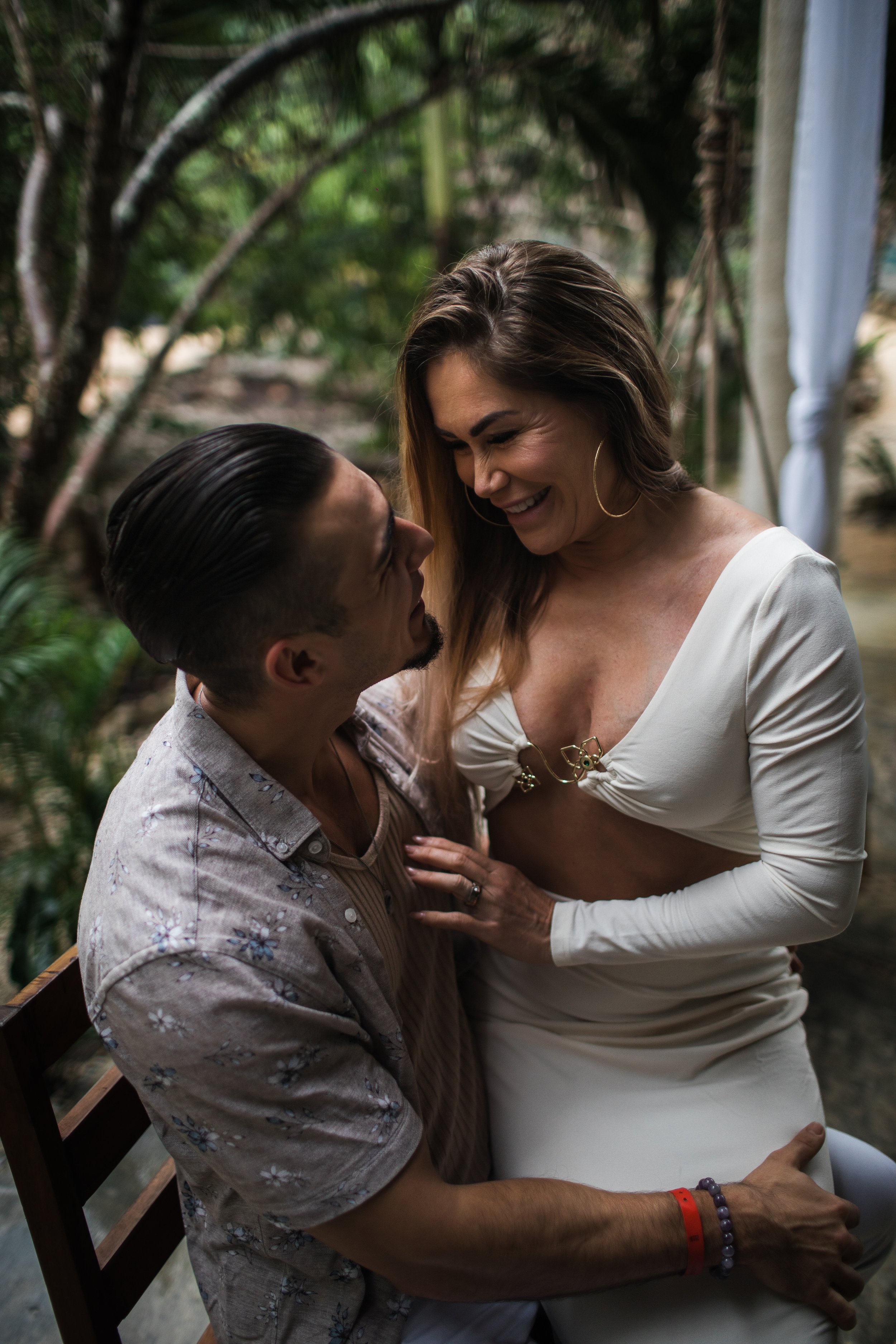
Creating Cohesive Wedding Materials
Your engagement photos are the very first visual taste your guests will get of your upcoming celebration. When you are asking people to book flights and hotels, sending a Save-the-Date featuring a stunning photo of you two walking down a Mexican beach builds instant hype. It sets the exact tropical tone for the event and gets your guests incredibly excited about the destination. They aren't just looking at a generic graphic template; they are seeing the beautiful location you have hand-picked for them to visit.
Beyond the Save-the-Dates, having high-quality, professional images from your actual destination makes your wedding website look incredibly polished. You can use these photos for your custom guest books, welcome bag itineraries, or even display them at the rehearsal dinner. When you browse through my full portfolio, you will notice that couples who do destination engagement shoots have a beautifully consistent visual narrative from the moment they announce their date to the final sparkler exit on their wedding night.
Let's Make It Happen
Your wedding site visit doesn't have to be all work and no play. By adding a Riviera Maya engagement shoot to your itinerary, you are investing in beautiful artwork, testing out your wedding day look, and creating a comfortable relationship with your photographer. It is the best multitasking move you can make for your destination wedding.
My name is Evan Whitney, and I am the lead photographer at Arch Wedding Studio. If you are planning a trip down to Mexico to finalize your wedding details and want to capture some magic while you are here, let's connect and plan an epic session.

Planning a Wedding During Hurricane Season in Mexico? Read This First.
You have picked the perfect resort, the guest list is finalized, and you are dreaming of margaritas on the beach. But then you look at the calendar and realize your dream date falls right in the middle of late September. Panic sets in. You are suddenly Googling weather charts and asking yourself: is it crazy to be planning a destination wedding during Mexico's hurricane season? As a destination wedding photographer who shoots year-round in the tropics, I am here to talk you off the ledge. It is not crazy, but it does require a specific mindset and preparation.
Hurricane season in Mexico officially runs from June 1st through November 30th, with the highest statistical likelihood of major storms occurring between August and October. This timeframe also happens to offer some of the best travel deals and lowest resort rates, which makes it incredibly tempting for couples trying to maximize their budget. If you are going to take the gamble, you need to go in with your eyes wide open. Here is my honest, straight-to-the-point guide on how to handle the weather, protect your investment, and still get breathtaking photos.

The Reality of Tropical Weather
The phrase "hurricane season" sounds terrifying, but it is often misunderstood by couples flying down from the States. A daily weather app forecast showing a lightning bolt icon every single day for your wedding week does not mean a hurricane is hitting. In the tropics, especially in the Riviera Maya, it is incredibly common for the day to start with brilliant sunshine, followed by a sudden, intense 20-minute downpour in the late afternoon, and then a beautiful clear evening. It is just the daily rhythm of the jungle.
It is also important to understand that the East Coast and West Coast of Mexico behave differently. While the Caribbean side deals with Atlantic storms, Los Cabos deals with Pacific systems. If you are working with a destination wedding photographer in Cancun, they already know the distinct weather patterns of the region. We know that a passing shower is nothing to cry over, and a full-blown hurricane is statistically rare. You are far more likely to experience a brief rain delay than a catastrophic, week-long event.
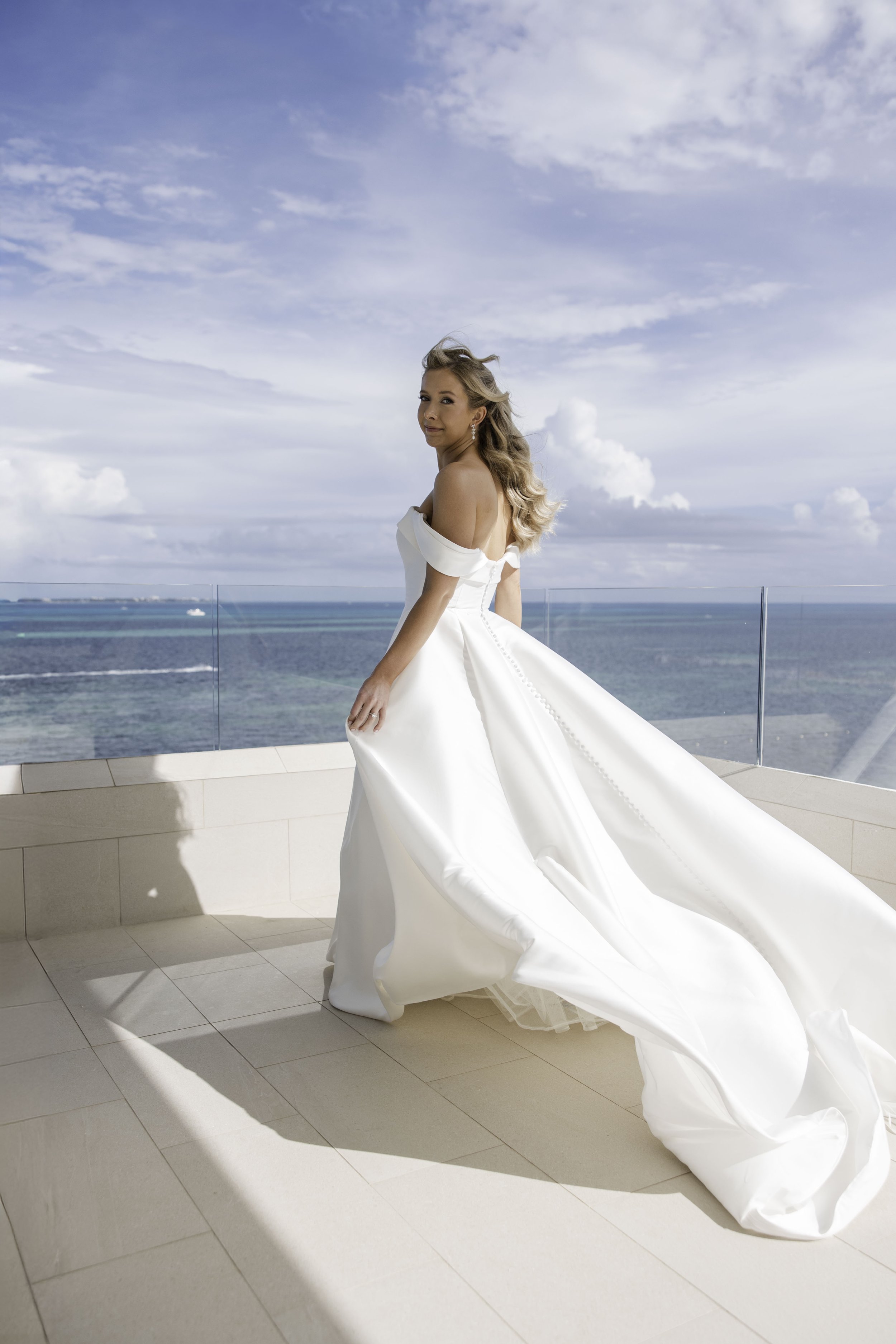
A Bulletproof "Plan B"
If you are getting married between August and October, your "Plan B" cannot be an afterthought; it must be a venue you genuinely love. Too often, couples fall in love with a beachfront ceremony spot but ignore the backup indoor location until the morning of the wedding when the skies open up. Suddenly, they are forced into a windowless, carpeted conference room that completely kills the tropical vibe they flew thousands of miles to experience. When touring or researching resorts, evaluate the covered terraces, open-air palapas, or chic indoor restaurants just as critically as the beach.
From a photography perspective, a strong Plan B saves your gallery. A covered, open-air location still allows natural light to pour in, giving you that beautiful, airy look without the water damage to your dress. If we do have to move indoors to a ballroom, don't panic. You can check out my About page to learn how I use professional off-camera flash to make even the darkest indoor spaces look dynamic and high-end. A sudden venue change shouldn't mean a drop in the quality of your wedding album.

Embracing the Dramatic Skies
Here is a secret most people won't tell you: perfectly sunny, cloudless days actually provide the harshest, most difficult lighting for photography. When I see storm clouds rolling in off the ocean, I secretly get excited. Overcast skies act as a giant, natural softbox, diffusing the sun and creating incredibly flattering, even light on your faces. You won't be squinting, you won't have harsh shadows under your eyes, and the colors of the ocean and your florals will pop beautifully against the rich, gray backdrop.
Also, the skies before and immediately after a tropical storm are nothing short of cinematic. The contrast of dark, brooding clouds against the turquoise water creates an epic, moody landscape that looks like a high-fashion editorial. If you’re okay with the wind and a few raindrops, we can capture some of the most dramatic, jaw-dropping portraits imaginable. Just look at the galleries on my main page; some of the most striking, award-worthy images were taken just minutes before the rain started pouring or right as a storm cleared to reveal a brilliant sunset.
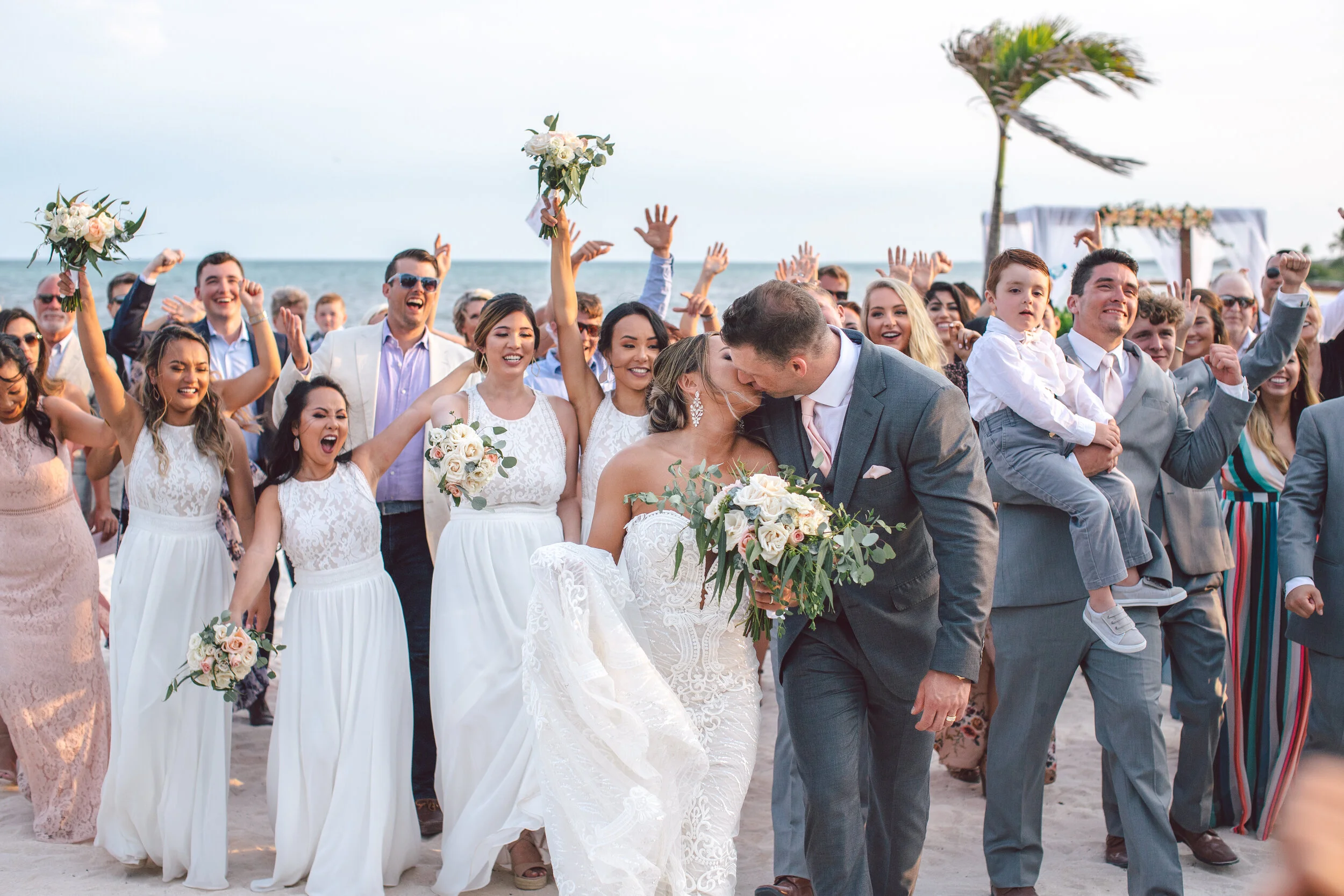
Insurance and Vendor Flexibility
When booking during these months, financial protection is absolutely non-negotiable. You must invest in comprehensive wedding insurance that specifically covers extreme weather cancellations or postponements. Additionally, you should strongly urge your guests to purchase individual travel insurance policies that include "Cancel for Any Reason" (CFAR) coverage. If a named storm does threaten the coast and flights are grounded, you want the peace of mind knowing that you and your loved ones won't lose thousands of dollars over something you cannot control.
Finally, surround yourself with a vendor team that knows how to pivot. Local Mexican vendors are pros at navigating this climate. A great local planner will know exactly when to make the call to move the reception, and a seasoned florist will know how to quickly transport your arch before the wind takes it. As your photographer, I bring weather-sealed gear and a flexible attitude. Brides magazine emphasizes the importance of staying calm, and that energy starts with your vendor team. We adapt, we adjust the timeline, and we keep the party going.
Let's Weather the Storm Together
Your destination wedding should be an unforgettable adventure, no matter what the radar says. By preparing for the worst but expecting the best, you take the power back from the weather app. Whether you get married under a brilliant blue sky or an epic, rolling thunderhead, the focus will remain exactly where it belongs: on the two of you starting your lives together.
My name is Evan Whitney, and at Arch Wedding Studio, I specialize in capturing the raw beauty of your day, rain or shine. If you are looking for a photographer who thrives in unpredictable environments and always has a backup lighting plan, I would love to hear from you.

Satin vs. Chiffon Bridesmaid Dresses for Your Destination Wedding
Planning a destination wedding in Mexico means making peace with the climate. You are trading crisp autumn afternoons for 85-degree days and ocean humidity. While you are probably hyper-focused on how your own wedding dress will handle the heat, there is another wardrobe decision that can make or break the visual vibe of your day: your bridesmaid dresses. As a destination wedding photographer in Cancun, I have seen it all. I have photographed bridal parties looking flawlessly chic, and I have photographed bridesmaids who look like they just ran a marathon in a sauna.
The difference almost always comes down to fabric. The great debate right now is satin versus chiffon. Both are beautiful, but they behave completely differently when introduced to the tropical elements. Here is my honest, photographer’s perspective on which fabric actually looks good when the Mexican heat turns up.
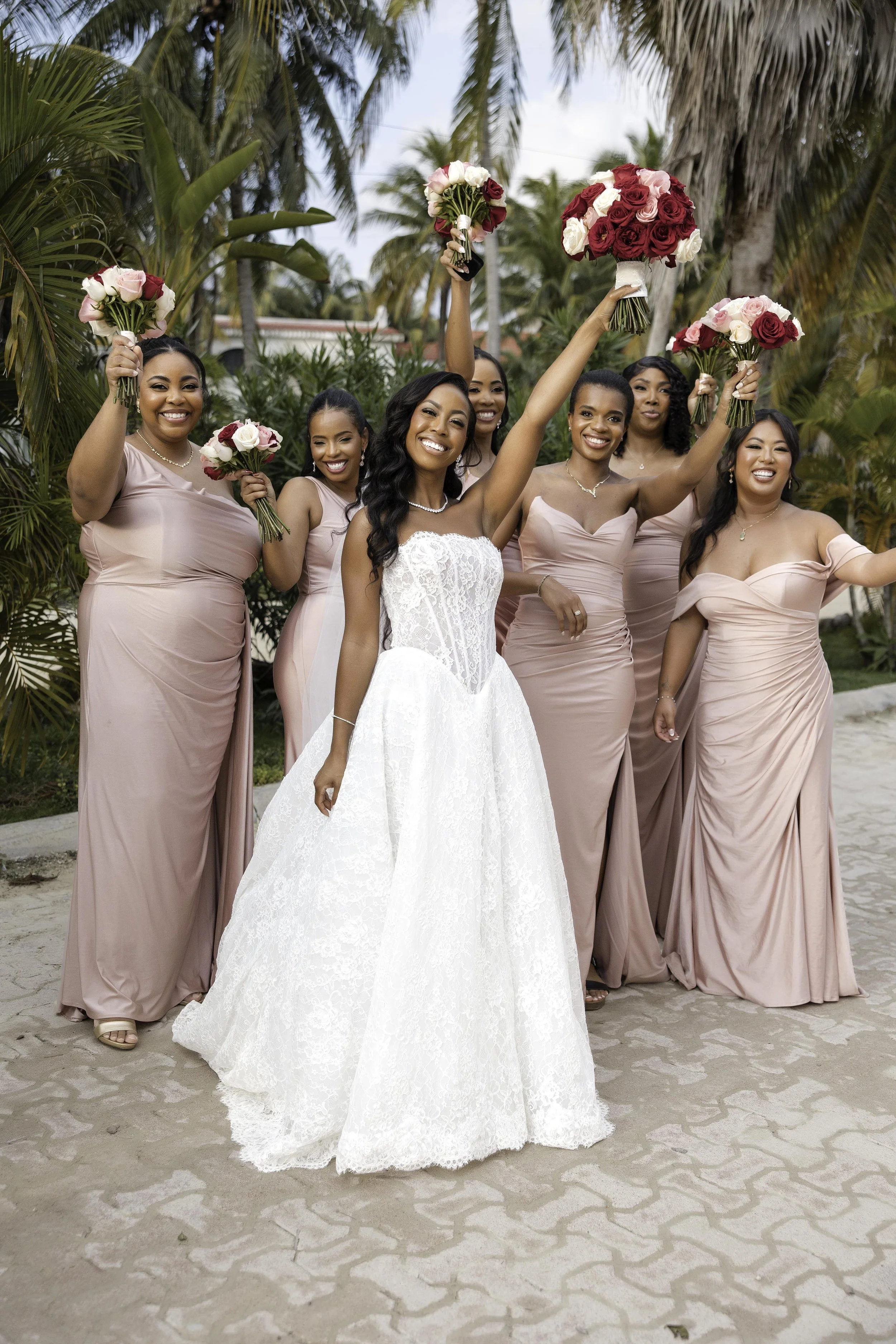
The Allure and the Danger of Satin
There is no denying that satin is having a massive moment in the wedding industry right now. It looks like liquid gold in photos, offering a sleek, sophisticated, and high-fashion aesthetic that elevates the entire bridal party. When the golden hour light hits a row of bridesmaids wearing silk or satin slip dresses, the fabric reflects the sun beautifully, creating a rich, glamorous contrast. It is the perfect choice if you want your destination wedding to feel more like an exclusive, red-carpet evening event rather than a casual beach party.
However, the reality of wearing satin in a tropical climate is brutal. Satin is notoriously unforgiving when it comes to moisture. If your girls are standing in the sun for a 30-minute ceremony, satin will showcase every single drop of sweat, especially in lighter colors like champagne, blush, or sage green. It also wrinkles incredibly easily. The moment your bridesmaids sit down in the transport van to get to the venue, those dresses will crease across the lap, and those wrinkles will be front and center in every group portrait we take. According to fabric guides from Brides, synthetic satins are especially prone to trapping heat, meaning your bridal party could be quietly baking during the vows.
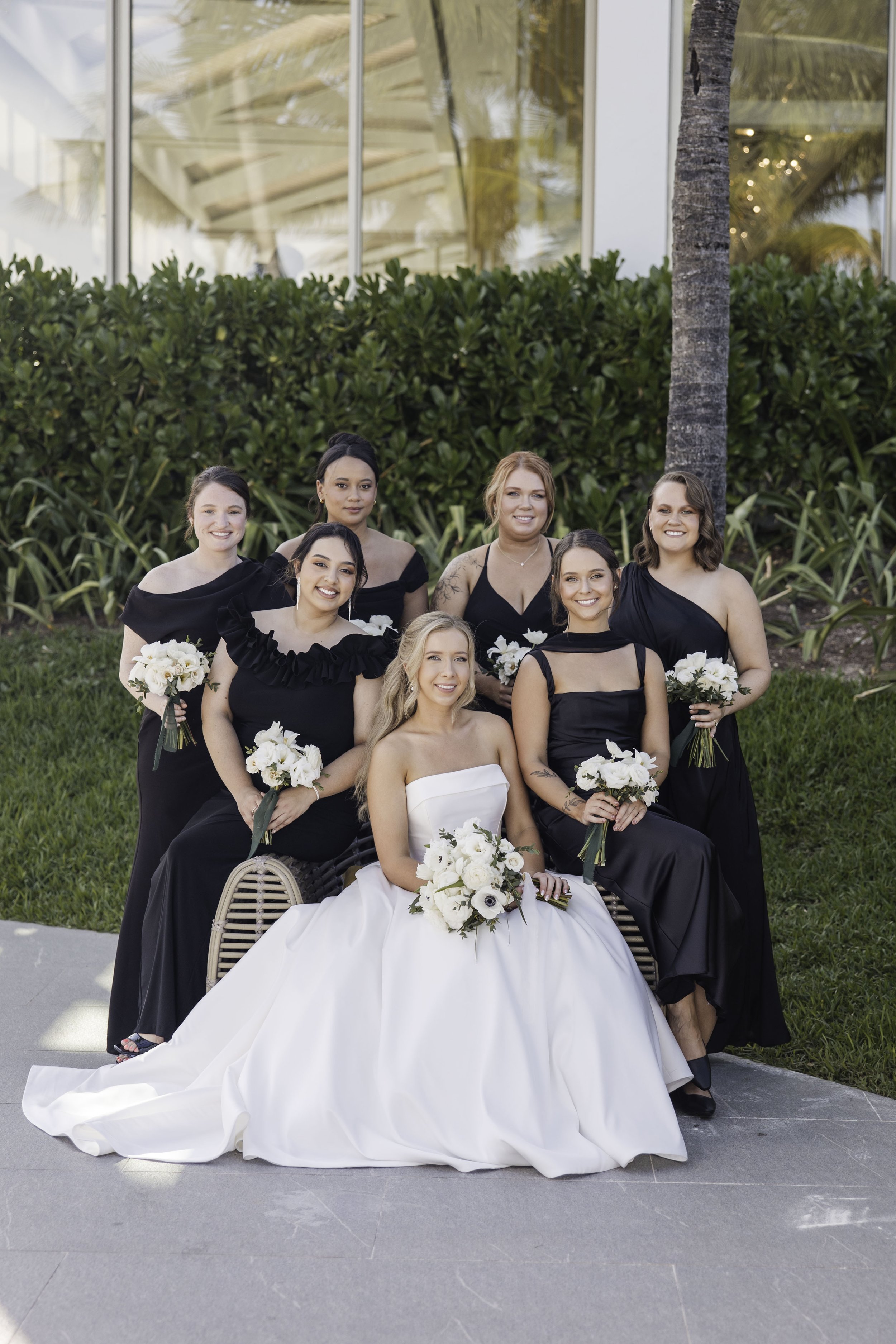
The Trusty Reliability of Chiffon
On the other side of the spectrum, we have chiffon. This has been the undisputed champion of beach wedding fabrics for decades, and for good reason. Chiffon is incredibly lightweight, matte, and breathable, allowing the ocean breeze to actually reach your bridesmaids' skin. From a photography standpoint, chiffon is pure magic on the coast. It catches the wind effortlessly, adding a dynamic, sweeping movement to your bridal party photos that feels organic and romantic. It perfectly matches the "soft and airy" vibe that many couples want for their seaside vows.
More importantly, chiffon is the ultimate safety net for destination weddings. It is highly forgiving; it hides sweat patches completely and dries in minutes if someone gets splashed by a stray wave or spills a bit of their cocktail. If you look at the galleries on my main page, you will notice that bridesmaids in chiffon generally look more relaxed. The matte finish means we don't have to worry about harsh glare from the sun, and the flowy nature of the fabric flatters almost every body type, ensuring your girls feel confident instead of self-conscious.

How Fabric Choice Impacts Your Wedding Photos
The fabric you choose literally dictates the editing style and final look of your gallery. Satin reflects light, which creates deep shadows and bright highlights in the camera. This results in photos that feel punchy, modern, and editorial. Chiffon, being matte and sheer, diffuses light. It creates a softer, pastel-driven look that feels timeless and ethereal. When I am editing your gallery, the texture of the dresses plays a huge role in the overall look. If you want a moody, high-contrast vibe, satin helps achieve that; if you want light and dreamy, chiffon is your best friend.
Beyond the technical aspects of light and texture, your fabric choice impacts the candid emotion in your photos. Uncomfortable bridesmaids look miserable on camera. If they are overheating in a heavy, non-breathable fabric, or constantly adjusting a dress that shows every drop of sweat, they won't be smiling naturally. They will be distracted. The Knot's guide to summer bridesmaid styles emphasizes that comfort directly translates to confidence. As a photographer, I want to capture your best friends laughing, dancing, and genuinely enjoying the day, and that is much easier when they are wearing a fabric that suits the environment.

The Best Compromise for a Mexican Beach Wedding
If you are torn between the high-end look of satin and the practical comfort of chiffon, there are excellent ways to compromise. One of the best trends I am seeing for destination weddings is the "mix and match" texture approach. You can assign a color palette—like tropical sunset tones or ocean blues—and let your bridesmaids choose their own fabric. This allows the girls who sweat easily to opt for breathable chiffon, while the girls who love a sleek silhouette can rock a satin slip. Mixing textures adds incredible visual depth to your group photos, making the bridal party look curated rather than uniform.
Another great option is to look into crepe or high-quality charmeuse. These fabrics offer a bit of the drape and elegance of satin but often feature a slightly more matte finish or better breathability. You can also opt for chiffon dresses with high slits, which add a modern, sexy edge to the traditional flowy fabric while providing maximum ventilation. If you read my About page, you will know that I am all about balancing high-end aesthetics with genuine, relaxed moments. Choosing a fabric that allows your favorite people to survive the Mexican heat while looking gorgeous is the first step toward achieving exactly that.
Let's Plan Your Flawless Day
Your destination wedding should be an unforgettable experience, not an endurance test for your bridal party. By choosing the right fabrics, you ensure everyone looks their absolute best from the first look to the final dance under the stars.
If you want a photographer who understands the elements and knows how to make your bridal party look stunning no matter the weather, reach out to inquire about your date. Let's create beautiful, stress-free memories together.

To Veil or Not to Veil? Surviving the Ocean Breeze During Your Destination Wedding
Picture you are walking down a pristine white sand aisle in Mexico. The sun is shining, your partner is smiling at you, and your veil is aggressively slapping you in the face, sticking to your lip gloss, and trying to pull your hair out. When planning a destination wedding, the ocean breeze is a double-edged sword. It cools you down in the tropical heat, but it can wreak absolute havoc on your carefully curated bridal look, especially when a veil is involved.
As a destination wedding photographer in Cancun, I get asked the "veil question" by almost every single bride I work with. You want that dramatic, flowing shot on the beach, but you are terrified of fighting a piece of tulle during your vows. It is a completely valid concern. The decision to wear a beach wedding veil requires balancing the aesthetic dream with the physical reality of the coast. Let’s break down everything you need to know about surviving the wind and getting incredible photos, whether you decide to veil or not to veil.
The Magic of a Wind-Blown Veil (The Pros)
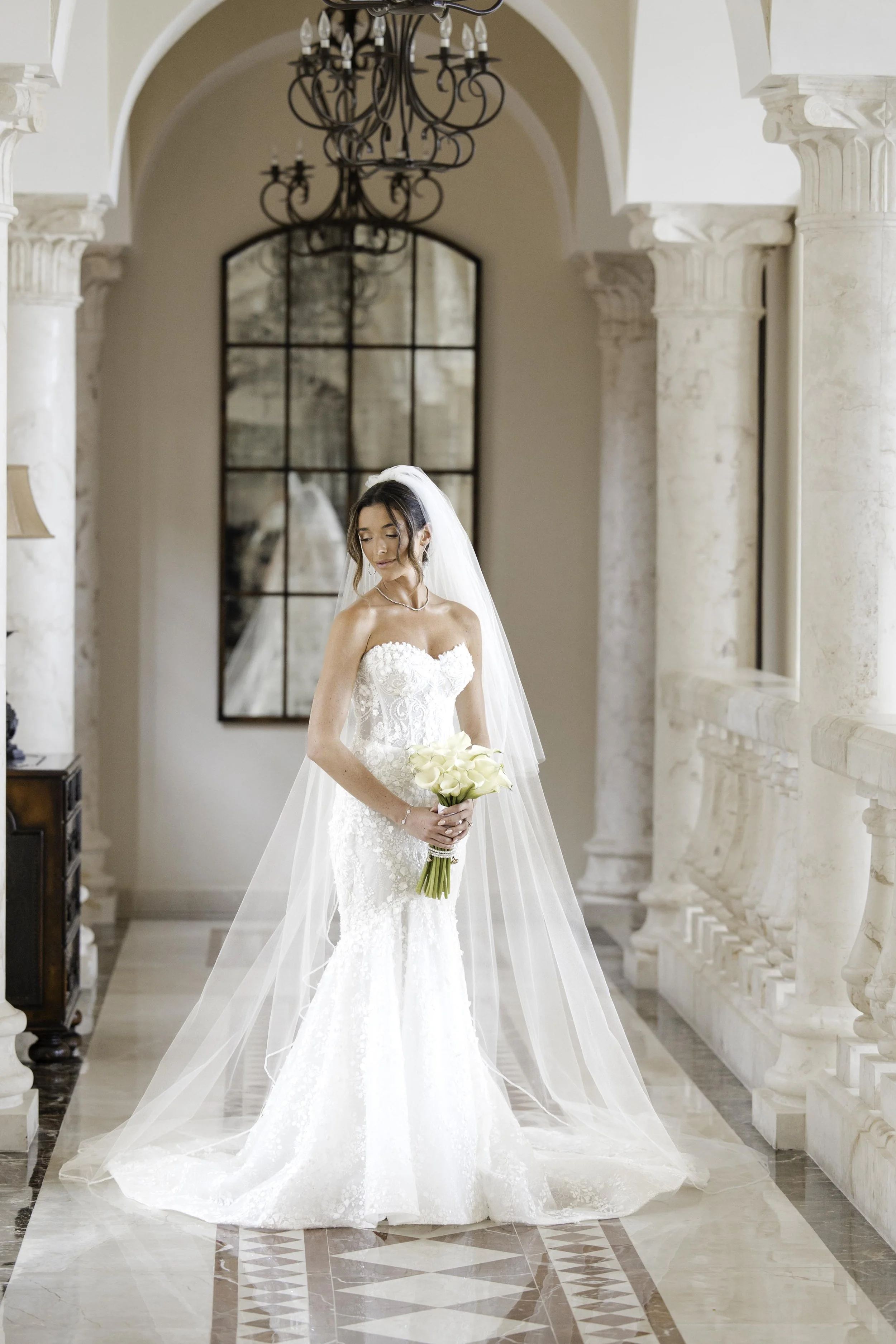
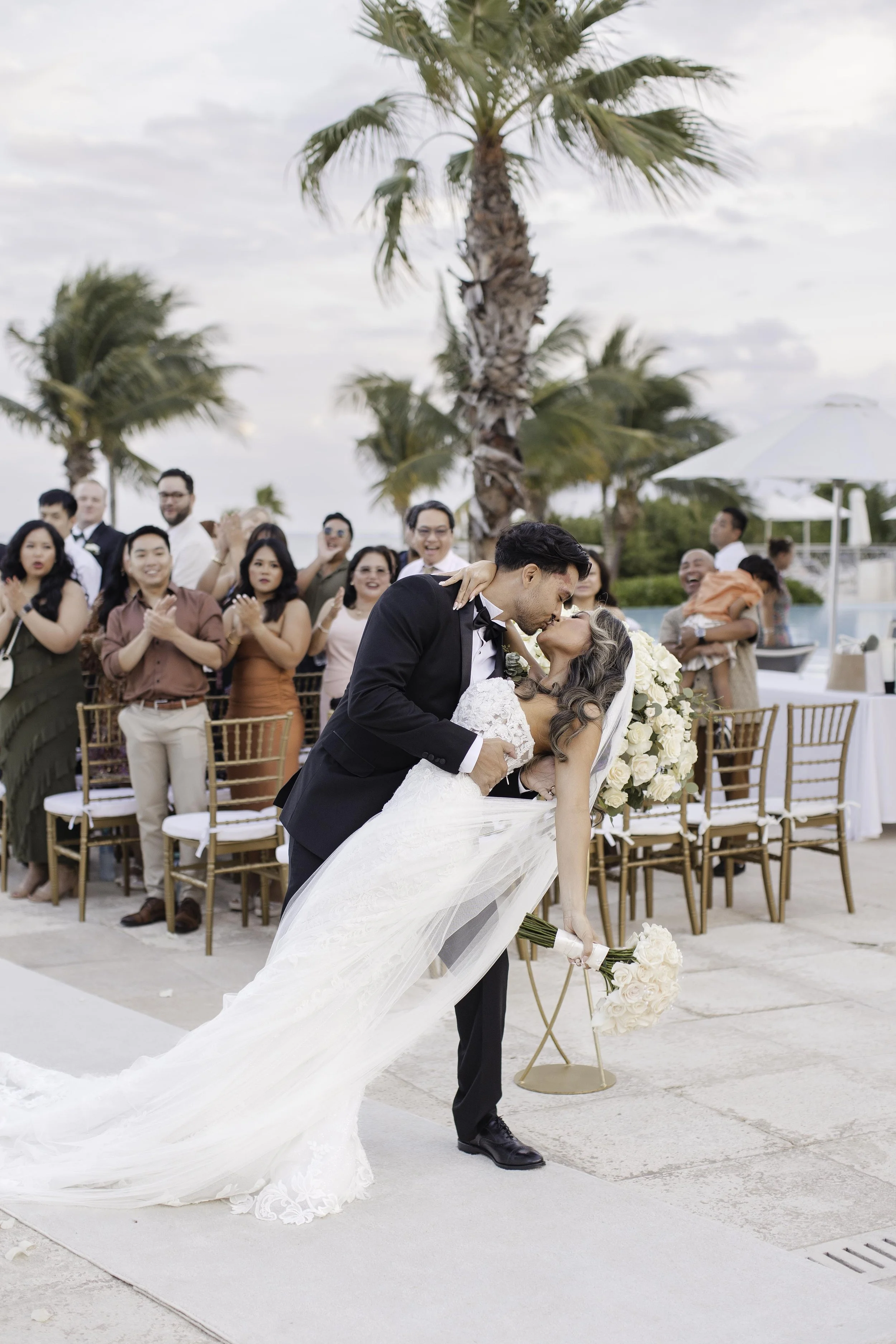
Let me start by defending the veil, because from a purely photographic standpoint, wind is actually a veil’s best friend. When you are standing on the edge of the Caribbean Sea, a veil caught in the ocean breeze creates instant drama. It adds movement, texture, and a sweeping romantic quality to your images that a static dress simply cannot achieve. Some of my absolute favorite portraits feature a veil soaring organically through the air, framing the couple beautifully against the blue sky. It gives the photos a high-end, editorial feel that looks like it belongs on the cover of a bridal magazine.
Beyond the wide landscape shots, a veil also provides incredible opportunities for intimate portraits. I love using the sheer fabric to wrap around my couples, creating a private, soft-focus bubble for a close-up kiss. It filters the harsh Mexican sun beautifully, casting a soft, flattering glow on your faces. If you browse the wedding galleries on my main page, you will see exactly how often I use a flowing veil to add a dynamic layer to the composition. When the wind cooperates, a veil is the ultimate photographic prop for your destination wedding.
The Reality of the Ocean Breeze (The Cons)
However, Mother Nature does not take direction well. The reality of a beach wedding is that the wind is entirely unpredictable. If the ocean breeze is blowing onshore (directly at your face), your veil will spend the entire ceremony plastered to your chest or wrapping around your partner's neck. I have seen grooms spend half the ceremony gently swatting tulle away from their eyes just so they can see their bride to say their vows. This constant battling with fabric can pull you out of the emotional weight of the moment, leaving you feeling frustrated rather than focused.
Furthermore, a long, heavy veil acts like a parachute. If the wind picks up suddenly, it can pull violently on your hair, threatening to ruin that intricate updo you just spent two hours and hundreds of dollars perfecting. Brides magazine often warns that beach brides need to prioritize secure hairstyles specifically because of the tugging effect of veils in the wind. You have to ask yourself if the epic portrait later is worth the potential annoyance during the actual ceremony. For some brides, the answer is an enthusiastic yes; for others, it’s a hard pass.
Choosing the Right Veil for the Beach
If you are dead-set on wearing a veil, the type of veil you choose makes all the difference on the coast. Avoid stiff, scratchy netting or layered "pouf" veils that sit high on the head; these catch the wind aggressively and refuse to drape naturally. Instead, opt for ultra-soft English net or sheer silk tulle. These fabrics are incredibly lightweight and have a liquid drape to them. When the wind catches them, they flutter gracefully rather than standing straight up in the air like a rigid sail.
Length is also a major factor to consider for your beach ceremony. A fingertip veil might seem like a safer, shorter option, but it is actually the most annoying length in a breeze because it perfectly reaches your face and arms, constantly wrapping around your shoulders. A cathedral-length veil is surprisingly better for the beach. The sheer length of the fabric drags on the sand, anchoring it down slightly. If you are worried about the fabric flying around too much, you can even talk to your seamstress about sewing tiny, discreet veil weights into the bottom hem to help it hang elegantly.
Tips for Managing Your Veil on the Day
If you decide to wear a veil for your ceremony, communication with your bridal party is absolutely key. Appoint your Maid of Honor as the official "veil wrangler." Before the ceremony starts, have her practice catching and laying the veil out behind you. If the wind is particularly aggressive right as you reach the altar, she can gather the excess fabric and tuck it securely behind your legs, or even discretely pin it to the back of your dress so it stays put while you say your vows.
The best compromise I suggest to my clients is the "ceremony-only" or "portraits-only" veil approach. Wear it for the grand entrance and the epic couple's portraits right after, but take it out the second we are done with those formal shots. Once we hit the cocktail hour and the reception, you want to be able to hug your guests, hold a margarita, and dance without a long train of tulle dragging behind you. This timeline trick gives you the best of both worlds: the dramatic, windy photos and the practical comfort you need to enjoy your night.
Let's Capture the Magic
Your destination wedding should be about celebrating your love, not fighting the elements. Whether you choose to let a cathedral veil fly in the wind or opt for a sleek, veil-free updo, the most important thing is that you feel confident and comfortable. The ocean breeze is part of the magic of Mexico, and I know exactly how to use it to your advantage to create art.
If you are looking for a destination wedding photographer who can handle the wind, the sun, and everything in between to deliver stunning, stress-free photos, I would love to hear from you. Let’s create some magic on the beach.

Professional vs. Drugstore Prints: Where to Print Your Destination Wedding Photos
Let's be honest about what happens after the wedding. You finally get that highly anticipated email saying your photo gallery is ready. You spend hours scrolling through the images on your couch, absolutely obsessed with every single one. You immediately download your favorites, load them onto a USB drive, and drive straight to the local pharmacy to print off fifty copies for your parents. And then, you pick them up. You look at the prints in your car, and your heart totally sinks. The colors are muddy, the paper feels incredibly cheap, and your skin looks weirdly orange. As a destination wedding photographer in Cancun, I have heard this exact horror story from couples more times than I can count.
I’m Evan Whitney, and I need to let you in on a massive industry reality check. That beautiful, golden Mexican sunset we captured on the beach? It shouldn't look neon green when you print it. The massive disconnect between what you see glowing brightly on your iPhone screen and what spits out of a one-hour photo kiosk all comes down to technical calibration. Printing your images is the final step of your wedding experience, and going to a drugstore completely ruins the art you just paid for. Let's talk about why professional labs are absolutely non-negotiable if you actually want your wedding photos to look good in real life.
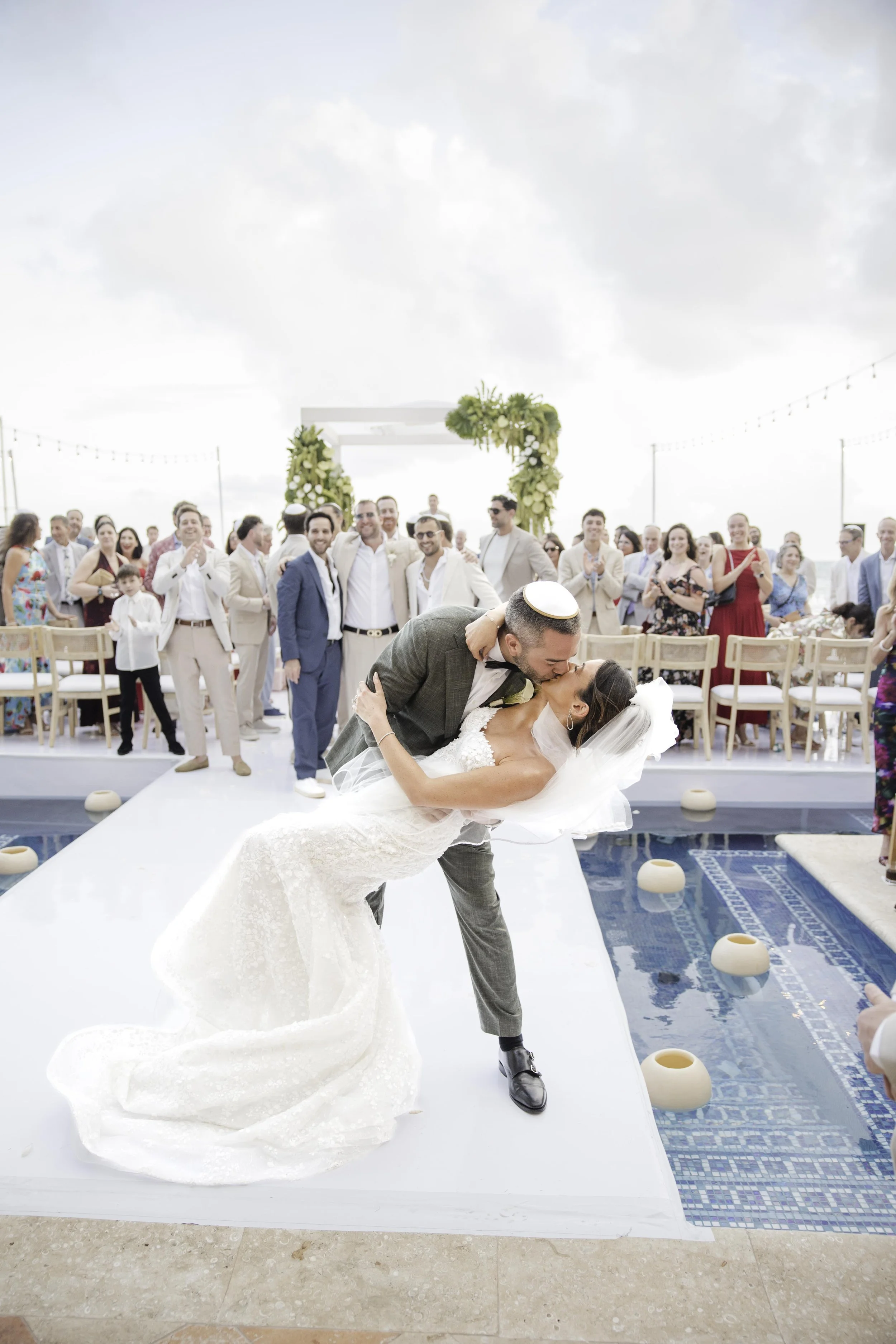
The Machine Auto-Correction Disaster
The biggest issue with drugstore printing boils down to a technical process called color calibration. When I sit down at my desk to edit your wedding gallery, my computer monitors are perfectly calibrated using special hardware. This ensures that the exact colors I see on my screen perfectly match the ink profiles used by my professional print lab. We speak the exact same color language. Drugstore kiosks, on the other hand, do not care about my professional color profiles at all. They are mass-market machines designed to churn out hundreds of cheap prints an hour for people printing quick cell phone snaps of their dog.
To make those quick, unedited snaps look halfway decent, the drugstore printer applies an aggressive, automated color correction to every single file it processes. This is a total disaster for professional photography. The machine looks at the warm, golden-hour tones of your destination beach wedding and thinks the image is way too orange. To "fix" it, the computer automatically injects heavy blue and green tones into the ink. Suddenly, your romantic sunset looks sickly, your white dress looks gray, and your glowing tan looks like an alien. Professional labs never apply automated corrections; they print the file exactly as I edited it.
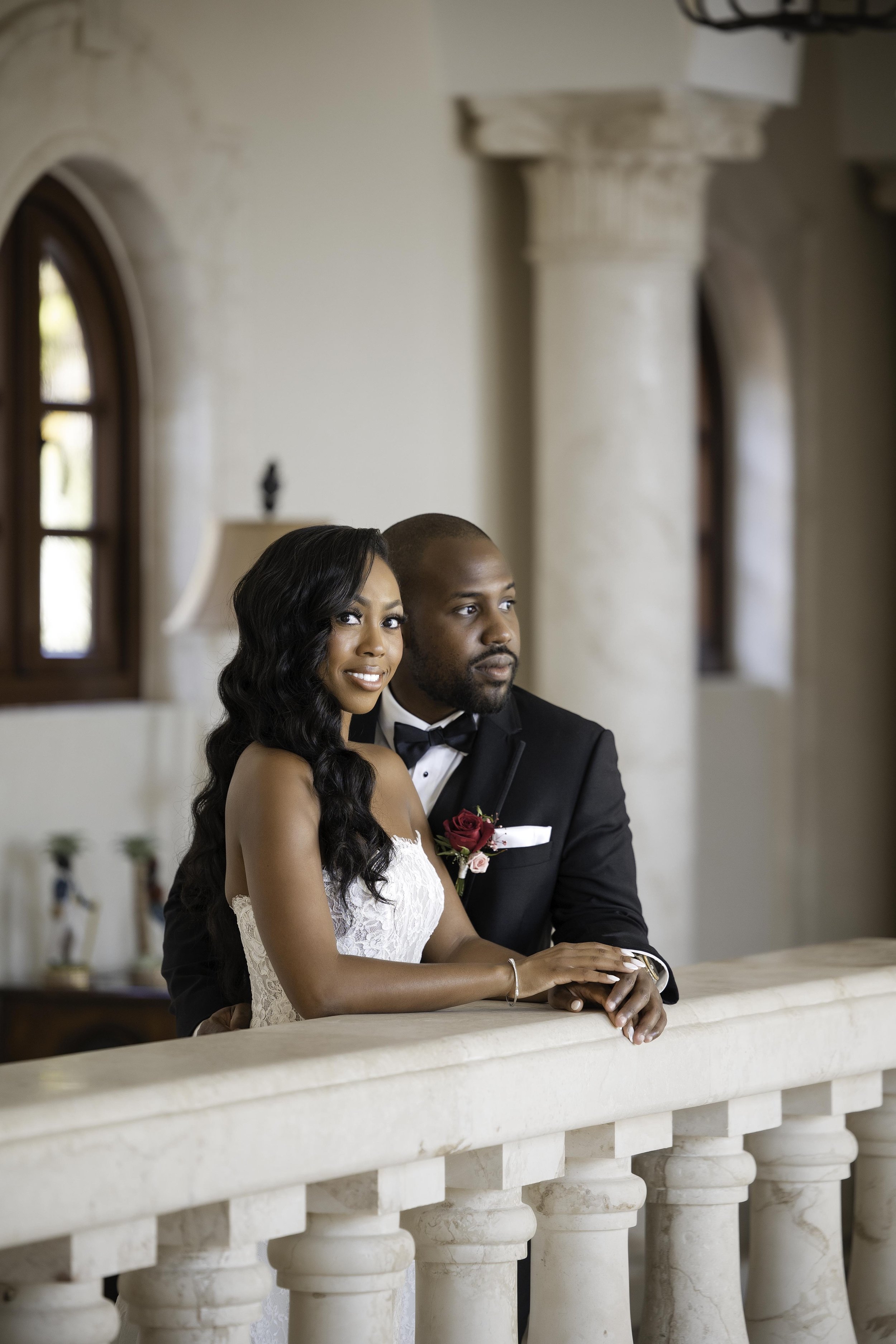
Cheap Paper vs. Archival Quality
It isn't just about the ink colors; the physical paper itself makes a massive difference in how your images look and feel. Consumer labs at the pharmacy use thin, standard-issue glossy or matte paper. It feels flimsy in your hands, curls up at the edges almost immediately, and shows greasy fingerprints the second you touch it. Worse yet, these cheap papers contain acids and chemicals that react poorly to sunlight over time. This means your photos will inevitably start to yellow, fade, or crack after just a few years of sitting in a cheap frame on your living room mantel.
Professional print labs operate in a totally different world. They use thick, heavily textured, archival-quality materials that are explicitly designed for fine art. These papers are acid-free and utilize high-end pigment inks that won't degrade under normal UV light. When you invest in a professional print from your gallery, you are creating a genuine family heirloom. That photo is guaranteed to look exactly the same fifty years from now when you show it to your grandchildren, completely avoiding that faded, vintage look unless it was done on purpose.
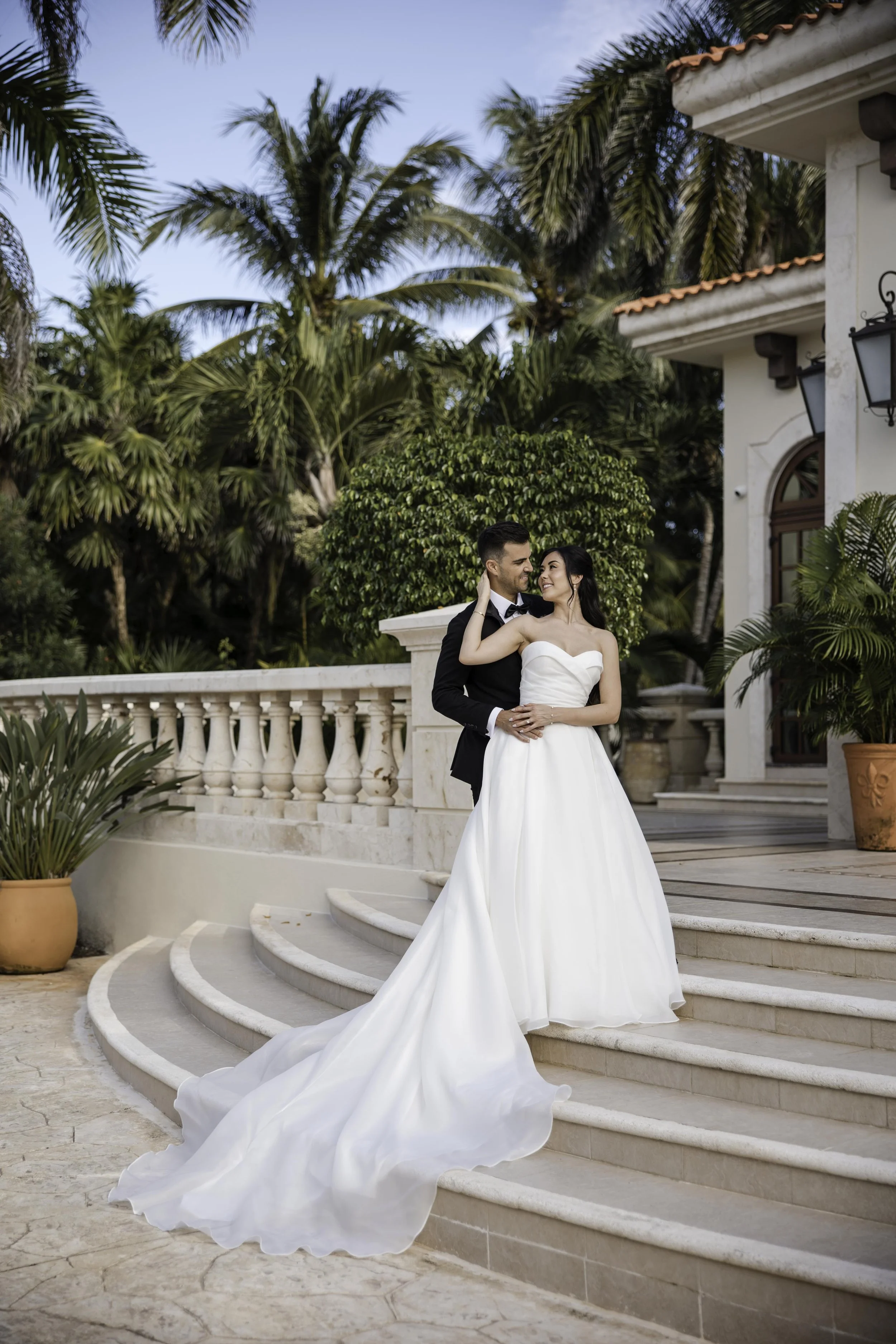
The Reality of Cropping and Bleed Lines
Have you ever picked up a cheap drugstore print and noticed that the top of your head is mysteriously chopped off? Or maybe the beautiful floral arch you spent thousands of dollars on is completely missing from the frame? This happens because automated drugstore printers force your high-resolution digital files into standard aspect ratios without any human oversight whatsoever. If your photo doesn't perfectly fit their rigid 8x10 template, the machine simply slices off the edges to make the math work, totally ruining the composition.
Professional print labs actually have real, trained humans monitoring the process. Before anything ever goes to the printer, a technician reviews the crop lines to ensure no important details are lost in the margins. If you order a large canvas or a fine art print directly through your Arch Wedding Studio gallery, the lab accounts for the "bleed"—the edge of the paper that wraps around the wooden frame. This guarantees your composition stays perfectly intact, looking exactly the way I originally framed it through my camera lens.
Don't Put Cheap Gas in a Ferrari
Let's put this into a little bit of perspective. Hiring your photographer is likely one of the most significant financial investments you will make for your entire celebration. You spent months perfectly planning the aesthetic details, you flew your closest friends to another country, and you hired a professional to capture it all flawlessly. Taking those carefully crafted, high-end digital files to a one-hour pharmacy printer completely undermines the serious investment you just made in your memories.
Think of it like buying a luxury sports car and then deliberately putting the cheapest, lowest-grade gas in the tank. It just doesn't make any sense. By ordering your physical prints directly through your professional gallery, you ensure the artwork matches the high-end quality of the digital files. It is the final, crucial step in preserving the memories of your destination wedding photography experience exactly as you remember it happening on the beach.

Ready to Print Your Masterpieces?
Your wedding photos deserve to live off your computer hard drive and on the walls of your home. But more importantly, they deserve to look exactly the way the day actually felt. Don't let a generic drugstore kiosk turn your magical Mexican sunset into a weird, green-tinted mistake just to save a few dollars. Treat your memories with the respect they deserve by printing them through a professional lab that actually cares about the final physical product as much as you do.
If you are still looking for a photography team that will guide you through this entire process—from capturing the raw emotion on the sand to delivering stunning, color-perfect artwork for your home—I would absolutely love to chat. Head over to my contact page to inquire about your wedding date so we can start planning. Let's make sure every single detail of your celebration looks incredible, both on your screen and proudly framed in your living room.

Long Tables vs. Round Tables: Which Actually Looks Better in Wedding Photos?
Let's be real about the wedding planning process. You have spent the last six months stressing over the big visual details. You picked the perfect dress, obsessed over the beach ceremony backdrop, and argued with your partner about the exact shade of your floral arch. But then, a few months before the big day, your venue coordinator hands you a blank reception floor plan. Suddenly, you have to choose between long banquets and traditional round tables. Most couples just shrug and go with the standard round seating their coordinator suggests because they are exhausted from making decisions. As a destination wedding photographer in Cancun, I watch this happen all the time. Couples simply don't realize that this one logistical choice heavily dictates the entire look of their reception gallery.
I’m Evan Whitney, and if you ask me which layout looks better on camera, my answer is always the same. Go with long banquet tables every single time. Yes, round tables have been the traditional default for decades, but long tables completely transform a standard dinner into a visual masterpiece. It isn’t just about following current Pinterest trends. There are real, technical reasons why this specific layout makes your photography look significantly better. Let’s talk about why swapping standard circles for straight lines is the absolute easiest upgrade you can make for your destination wedding photos.
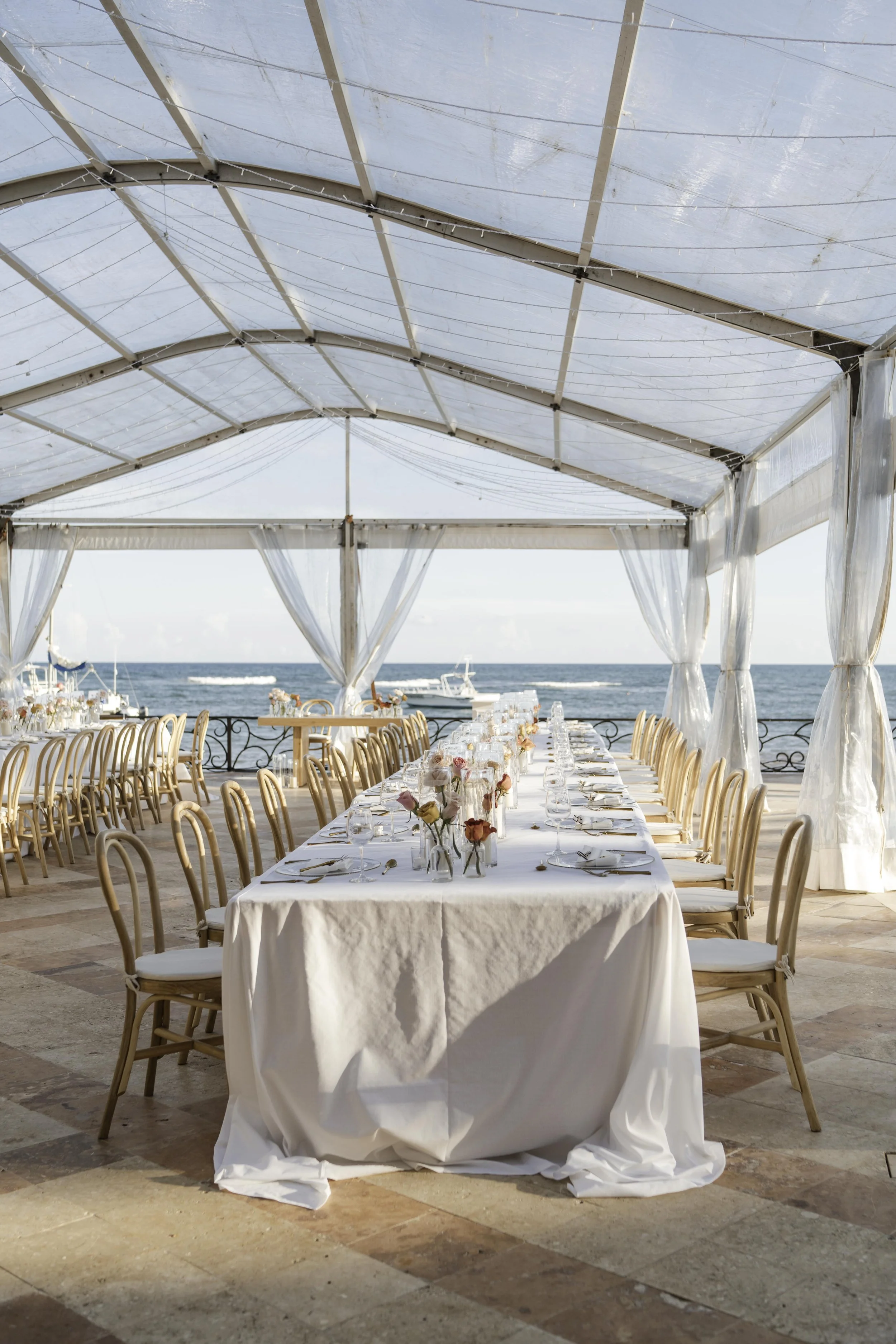
The Secret to Better Wide Shots
If you look through any high-end wedding blog right now, you will notice a common theme in the nighttime reception photos. The wide shots always pull your eyes straight down the middle of the room. In the photography world, we call these visual tracks "leading lines." Long rows of tables naturally create these pathways that guide the viewer's eye right toward the main action, usually the sweetheart table or the dance floor. When you set up two massive banquet tables stretching across a white sand beach, it immediately gives the space a sense of grand scale and architectural order. It looks highly intentional.
Round tables actually do the exact opposite to a physical space. Because they are just scattered circles, they naturally break up the room. A space filled with circles lacks that sweeping geometry, which can make wide photos look a little bit cluttered and disconnected. By choosing long tables, you hand your photographer a built-in framing device. When I fly a drone overhead or stand on a balcony to grab a wide shot of the party, those continuous lines make the whole layout look sleek. It gives your Arch Wedding Studio gallery that polished, editorial feel you want.

The Dinner Party Vibe
Photos are about capturing a mood. The table style you pick completely shifts the energy and behavior of your guests during dinner. Think about the last time you sat at a massive round table at a corporate event or a wedding. You can really only talk to the two people directly sitting next to you. The center is way too wide to shout across over the DJ's music. Long tables, however, force a totally different, more intimate dynamic. They mimic a massive, family-style dinner where guests actually lean over each other, pass wine glasses, and share stories across the narrow wood.
That lively energy translates directly into your final photos. Because your friends and family are seated shoulder-to-shoulder in a straight line, it is incredibly easy for me to shoot straight down the row. I can capture five different genuine, hilarious expressions in a single frame. I catch the clinking glasses and the hands reaching for shared plates. It creates an atmosphere of intimacy that round layouts just struggle to match. If you want a reception that feels like a rowdy, elegant dinner party rather than a formal conference, long tables will give you that exact vibe.

Floral Designs That Don’t Block Faces
Now, let’s talk about your tablescape and decor. Round tables usually require one massive central focal point. To make a visual impact in a large room, couples often choose towering, elevated centerpieces. While these tall stands look impressive when the room is empty, they are a photographer's worst nightmare once your guests actually sit down. Massive floral vases act like brick walls, completely blocking faces. I can't tell you how many times I've tried to capture someone crying during a heartfelt toast, only to have a giant hydrangea arrangement ruin the shot.
Long tables solve this sightline problem instantly. Instead of building your flowers up, your florist builds them out. Banquet layouts are perfect for low, trailing greenery, flat garlands, and small bud vases. If you browse through some gorgeous long table wedding centerpieces online, you will see exactly what I mean. This low-profile decor keeps the sightlines wide open across the entire room. I get a clear, unobstructed view of your college friends laughing at the best man's speech, all perfectly lit by the warm, flickering glow of fifty taper candles running down the center of the table.

Making It Work With Your Venue
I know exactly what you might be thinking right now. You are probably wondering if your specific venue actually has the footprint for giant banquet rows. That is a completely fair point to bring up. But if you are planning an outdoor destination wedding, you almost always have the space to pull this off. Long tables look absolutely incredible set up parallel to the ocean shoreline, tucked under a canopy of palm trees, or stretched across a historic stone courtyard. The straight lines complement the natural outdoor environment rather than awkwardly competing with it.
If your guest count is massive or your venue space is genuinely too weirdly shaped for long rows, you don’t have to throw the idea away completely. Most wedding planners recommend using a mixed seating floor plan, which photographs beautifully. You can anchor the center of the room with one or two striking long tables for your wedding party and family, and fill the outer edges with round tables. You still get those beautiful, straight leading lines in the middle of your destination wedding photography, keeping the aesthetic strong while solving your complicated seating puzzle.

Ready to Plan Your Layout?
At the end of the day, your reception layout is more than just a piece of paper to help people find their seats. It is the literal foundation of your dinner party. It dictates who talks to who, how your expensive flowers are arranged, and ultimately, how the final hours of your wedding day are documented. Swapping to long tables is a simple design secret that pays off massively when you finally get your photo album back. You get dramatically better angles, more flattering lighting from your candles, and a guest experience that feels totally unified.
Figuring out these visual details is exactly why you hire vendors who know what works on camera. If you are looking for a photographer who cares just as much about your design layout as the final sunset portraits, I would love to connect with you. Head over to my contact page to inquire about your wedding date. We can talk about your overall vision, your venue, and how we can make sure your destination wedding looks absolutely flawless from the first look to the final dance.

How to Look Gorgeous in Your Beach Wedding Photos (Even When It’s Windy)
You’ve spent months planning your dream ceremony by the ocean, envisioning sunny skies and perfectly placed hair. But when the day finally arrives, you realize there’s one uninvited guest you can’t fully control: the coastal wind. As a destination wedding photographer in Cancun, I hear this concern from nearly every couple. Brides often worry that a sudden gust will ruin their look, leaving them with messy, unusable photos.
I am here to tell you the exact opposite is true. While we recently covered how to handle unexpected rain, the daily reality of tropical coastlines is a steady breeze. I’m Evan Whitney, and I want to reassure you that this natural element is actually your biggest ally. Instead of fighting the wind, leaning into it creates some of the most dramatic, emotionally authentic images you will ever see.
Use Wind in Your Favor
Think about high-fashion editorial shoots in magazines. Photographers literally bring industrial fans onto closed studio sets just to replicate the wind you get for free on the beach. Wind injects instant life and energy into a photograph, transforming a simple, static pose into a cinematic moment. When the ocean breeze catches your veil or sweeps across your dress, it creates gorgeous lines of motion that draw the eye and make the image feel grand.
This movement also prevents your photos from looking stiff or overly posed. When you are standing on the sand, reacting naturally to the elements, your genuine personality shines through. The slight chaos of the breeze encourages spontaneous moments. These are the candid, human interactions that Arch Wedding Studio is entirely dedicated to capturing.
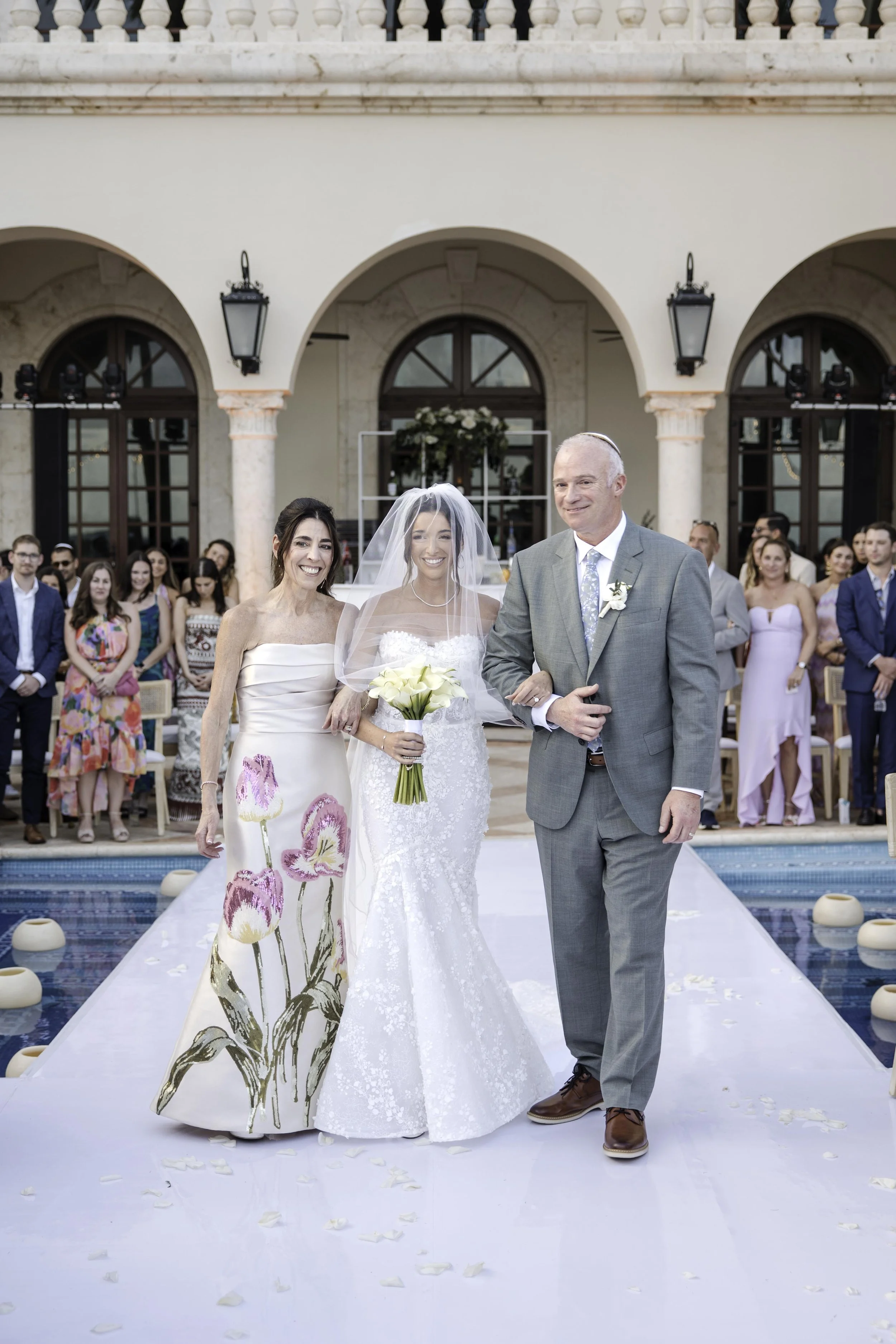
Choosing Hair and Makeup Wisely
Setting yourself up for success starts long before you step onto the sand. The best way to handle the ocean breeze is to choose a hairstyle that works flawlessly with it rather than against it. Soft, loose updos, textured braids, and low chignons are highly recommended beach wedding hairstyles because they look effortlessly chic while holding their shape beautifully against coastal gusts.
If you prefer wearing your hair down, ask your stylist for a reliable holding spray and added texture so that your hair looks romantically tousled rather than tangled. Also, consider your lip product carefully. Sticky lip gloss acts like a magnet for loose strands of hair, which can be incredibly frustrating during your portraits. Opting for a matte lipstick or lip stain keeps your makeup flawless and saves you from constantly pulling hair away from your mouth.
Letting Your Wardrobe Flow
The fabric of your wedding dress plays a massive role in how the wind translates on camera. Heavy, rigid materials miss out on the incredible opportunity to catch the ocean breeze and add dynamic motion to your gallery. Choosing lightweight wedding dress fabrics like chiffon, organza, or tulle allows your gown to billow and float around you as you walk. These airy materials catch the wind beautifully, turning a basic seaside stroll into a breathtaking, magazine-worthy scene.
Your veil is another powerful tool for wind-blown photography. A long, single-tier cathedral veil is an absolute dream for beach weddings. I love using the wind to lift the veil high into the air, creating a dramatic, sweeping frame around you and your partner. A flowing dress and a long veil give us endless creative options to play with, guaranteeing your gallery will be filled with epic, romantic portraits.
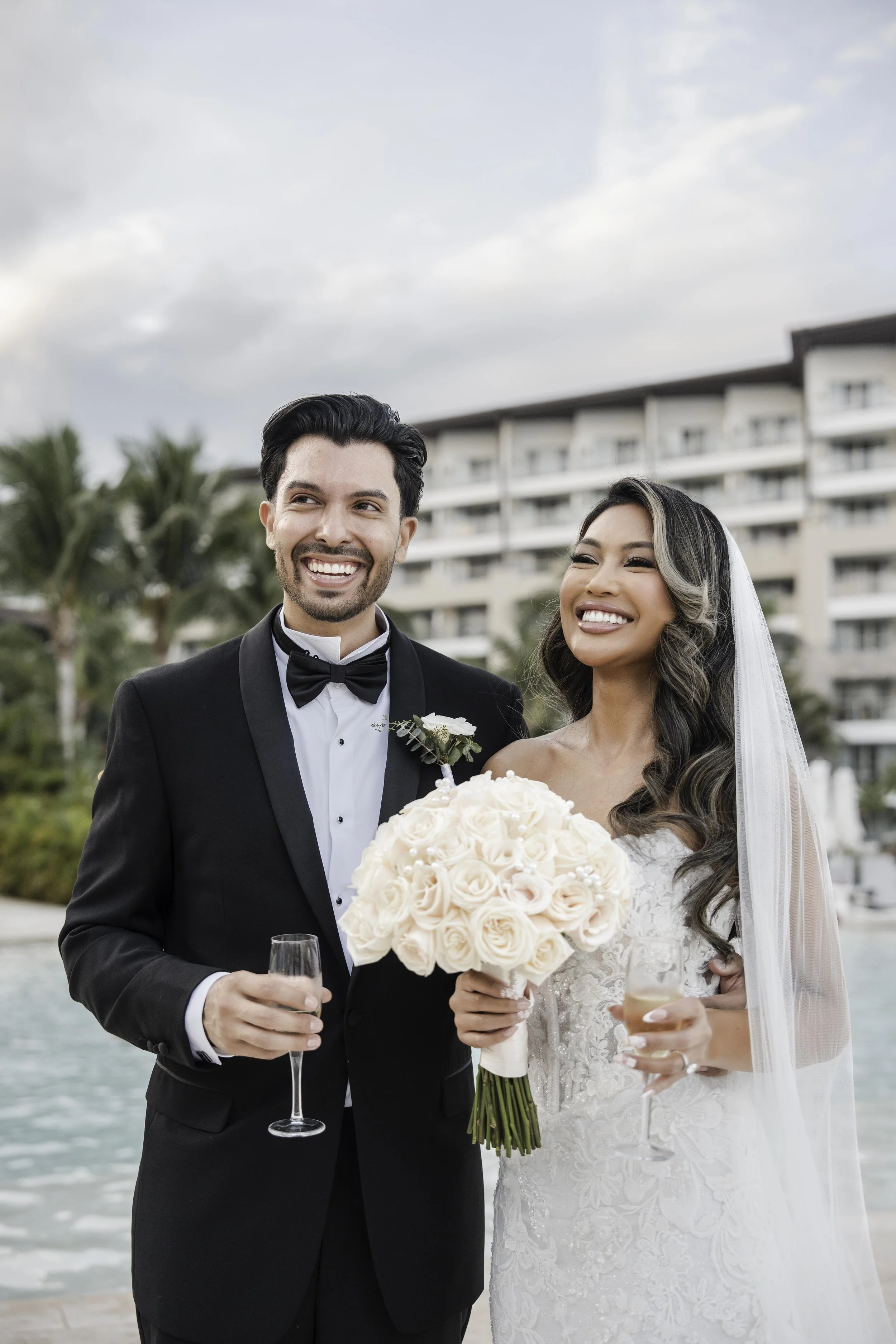
Trusting Your Photographer
As your photographer, my job is to read the environment and position you in a way that makes the wind look incredibly flattering. I always pay close attention to the wind's direction before we start shooting. By turning you so the breeze blows your hair away from your face rather than directly across it, we get all the beautiful movement without obscuring your joyful expressions. It is a simple adjustment that makes all the difference.
There will be moments where the gusts pick up and you might feel a little disheveled, but that is exactly when you need to let go and trust the process. Laugh off the crazy moments, pull your partner close, and enjoy the fact that you are getting married in paradise. If you look through our destination wedding photography portfolio, you will notice the most striking images happen when couples stop worrying about perfection and simply embrace the wild energy of the beach.
Ready for Your Beach Wedding Adventure?
Planning a beach wedding means accepting that nature will be a memorable part of your celebration. The ocean breeze isn't something to fear; it is the secret ingredient that gives your photos a raw, passionate, and timeless feel. When you look back at your wedding album years from now, you won't be wishing your hair was perfectly stiff. You will be remembering how vividly alive those wind-swept moments felt.
If you are looking for a photographer who knows exactly how to capture the beautiful chaos of your destination wedding, I would love to connect. Head over to our contact page to inquire about your date, and let's start planning. Together, we will make sure that every gust of wind on your big day only adds to the magic of your incredible love story.

The 2026 Color Palette Guide for Destination Weddings
When you first start planning a destination wedding, the instinct is usually to lean heavily into the tropical environment. You hop on Pinterest, and suddenly you are drowning in bright teal bridesmaid dresses, coral ties, and aggressive floral prints. As a destination wedding photographer in Cancun, I watch couples stress themselves out trying to perfectly match the local palm trees. But if we look at the most stunning weddings lately, the aesthetic has completely shifted. The loudest colors are out, and refined, timeless minimalism is officially taking over the beach.
I’m Evan Whitney, and I spend my life photographing couples by the ocean. I can tell you right now that the secret to an expensive-looking wedding gallery isn't competing with the tropical scenery; it is contrasting it. If you are getting married this year, you need to know that "The 2026 Color Palette Guide for Destination Weddings" is all about sophisticated neutrals, sharp blacks, and soft pastels. Let’s break down exactly how to style your wedding party so your photos look like a high-fashion editorial rather than a cheesy vacation postcard.

The Bride Always Stands Out
Let's start with the anchor of the entire day: the bridal gown. Unsurprisingly, crisp white is still the absolute standard, and for a very good reason. Whether you choose pure white, soft ivory, or a subtle pearl, this shade is your biggest visual advantage on the beach. It acts as a natural reflector, bouncing gorgeous, clean light right back up into your face while instantly separating you from the busy background of sand, ocean, and sky.
I always tell my brides not to overthink the color of their dress trying to fit a "beachy" theme. You don't need a casual sundress just because you are near the water. A structured, formal white gown looks incredibly dramatic when juxtaposed against the raw, organic elements of a coastal coastline. When you look through the portfolio at Arch Wedding Studio, you will notice that our most striking bridal portraits happen when a classic, elegant white dress is blowing wildly in the ocean breeze.

Sharp Tailoring for the Groom
For decades, the standard groom attire for the beach was a baggy tan linen suit and a white shirt with no tie. That hyper-casual era is officially over. Heading into 2026, grooms are bringing formal city style straight to the sand. We are seeing a massive surge in classic black and sharp grey suits for destination weddings. It might sound crazy to wear a dark suit in the tropics, but visually, the contrast of a tailored dark suit against the bright, washed-out beach looks absolutely incredible on camera.
If dark colors feel a bit too heavy for your personal taste, the other major trend we are seeing is the all-white groom. A crisp white tuxedo jacket or a fully tailored white suit is a bold, modern choice that screams luxury. According to recent groom style guides, treating a beach wedding with the same formal respect as a country club event completely elevates the entire affair. Whichever neutral you choose, keeping the groom in black, grey, or white guarantees he won't clash with the natural environment.

Soft and Moody Bridesmaids
The biggest aesthetic shift for 2026 is happening right here in the bridesmaid lineup. We are leaving the bright, saturated colors behind in favor of high-contrast neutrals. Black bridesmaid dresses are dominating right now, and I absolutely love it. Black looks universally flattering, it feels incredibly chic, and it creates a stunning frame around the bride’s white dress. If black feels too harsh for a summer wedding, cream is the next best neutral. A bridal party dressed in mixed shades of ivory and cream creates a gorgeous, cohesive glow.
If you really want a pop of actual color in your bridal party, pastel and light pink are the only shades you need to consider this year. These soft blushes mimic the natural colors of a tropical sunset perfectly without overpowering the frame. You can even mix these tones, pairing light pink dresses with cream accents for a highly romantic, textured look. Many of the top wedding party dress designers are focusing entirely on these muted, sophisticated palettes because they look so much more expensive and refined on camera.
Cohesive Groomsmen Styling
When it comes to the groomsmen, the rule for 2026 is strict coordination with the bridesmaids. If your bridesmaids are wearing chic black gowns, putting the groomsmen in classic black suits creates an incredibly powerful, symmetrical look for your wide group shots. It totally removes any distracting visual clutter from the images. When everyone is in a unified, dark neutral, the only things that truly pop in the photograph are the bright white of the bride's dress and the vibrant blue of the ocean.
If your bridesmaids are wearing cream or light pink, you can soften the groomsmen's look while keeping them sharp. A great strategy is keeping the guys in traditional black or grey suits but utilizing cream ties, pocket squares, or even cream suit jackets. The goal is to avoid introducing any new, random colors into the mix. By strictly limiting the entire wedding party to black, grey, cream, and pale pink, you hand your photographer a perfectly unified canvas to work with.

Ready to Plan Your 2026 Wedding Colors?
Your wedding colors do more than just determine your tablecloths; they completely dictate the visual tone of your final photo gallery. By adopting this elegant, neutral-heavy palette, you are future-proofing your memories. Ten years from now, you won't look back and cringe at a trendy, neon color scheme. You will just see a wildly stylish group of your favorite people looking their absolute best on a beautiful beach.
Getting these details right is exactly why you hire a professional who understands how styling translates through a camera lens. If you are currently mapping out the visual details of your big day and want a photographer who will capture it flawlessly, let's talk. Head straight over to my contact page to inquire about your wedding date. Let's work together to make sure your destination wedding photography is just as timeless, elegant, and breathtaking as the ocean behind you.

The Groom’s "Getting Ready" Session: It’s Not Just About Putting on a Tie
When I sit down with couples to plan their timeline, there is almost always a moment of hesitation from the groom when we get to the "getting ready" portion of the day. He usually looks at me, shrugs, and says, "Evan, I really don't need photos of me putting on my pants. It takes me five minutes to get dressed. Just focus on the bride." I get it. Most guys aren't used to being the center of attention, and the idea of a camera hovering while they button a shirt feels awkward or unnecessary. But here is the secret I tell every client: groom getting ready photos are rarely about the actual act of getting dressed. They are about the atmosphere, the anticipation, and the brotherhood that happens before the ceremony begins.
As a destination wedding photographer in Cancun, I view the groom's prep not as a fashion tutorial, but as a vital chapter in the story of the day. While the bridal suite is often a flurry of hairspray and makeup brushes, the groom's suite has a completely different energy. It is often where the reality of the day finally hits. It is the nervous laughter, the struggle to figure out how a pocket square works, and the quiet moments of reflection before walking down the aisle. Skipping this part of the day means leaving a massive hole in the narrative of your wedding album.
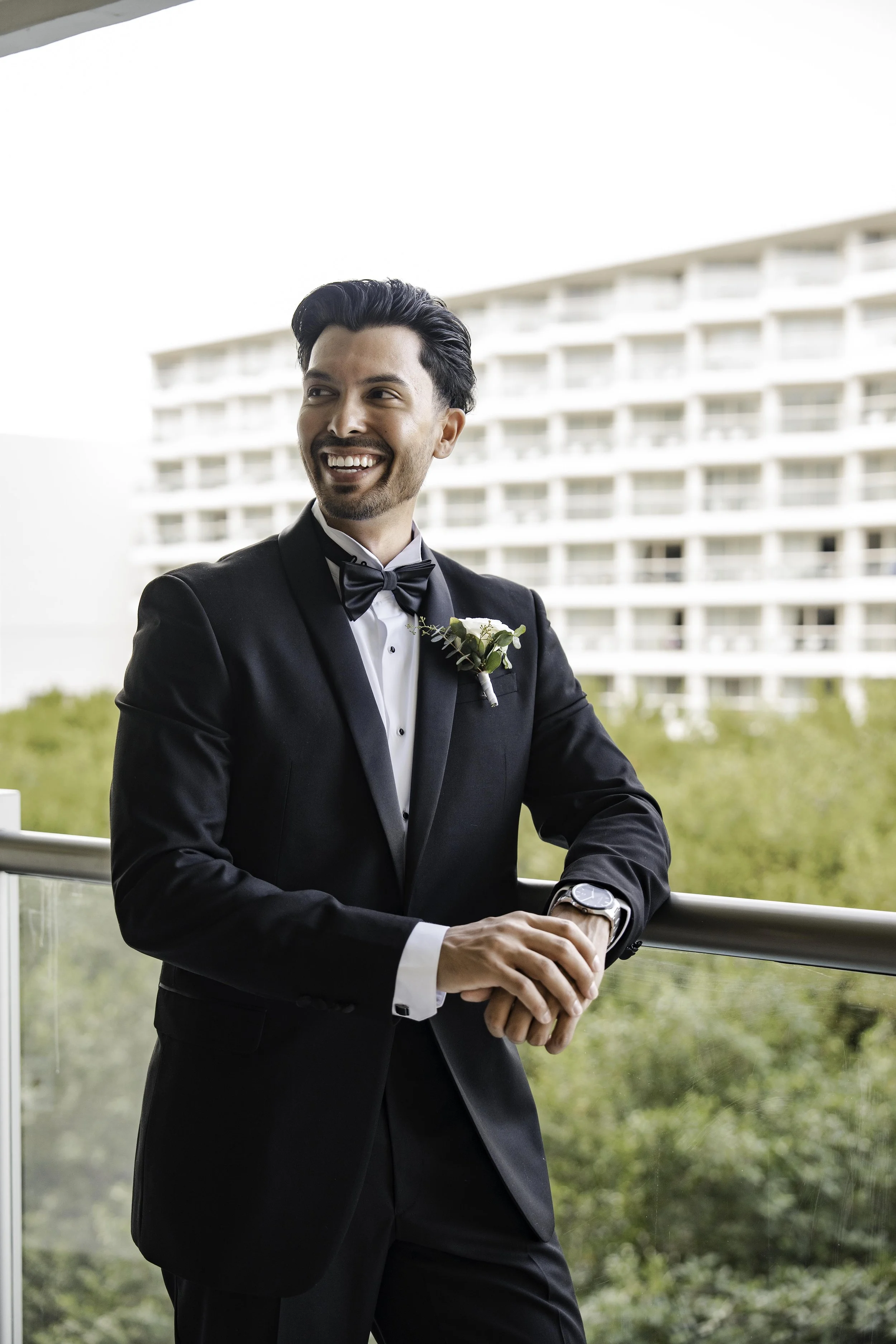
The "Hangout" Phase vs. The "Dress Up" Phase
When I arrive at the groom's suite, I’m not there to stage a fake photo of you tying your shoes. I am there to capture the candid reality of you hanging out with your best friends. In a destination wedding setting, this is often the most relaxed part of the day. The guys are usually lounging in the A/C, listening to music, maybe watching a game, or simply cracking jokes to break the tension. These photos capture the dynamic of your friendships—the way your college roommate makes you laugh or the way your dad looks at you with quiet pride.
This time is visually rich because it is unguarded. I capture the chaos of luggage everywhere, the clinking of beer bottles, and the collective confusion over how to pin a boutonnière. GQ Magazine actually suggests that taking this time to relax with your groomsmen is the best way to combat pre-wedding anxiety. My job is to be a fly on the wall, preserving the banter and the bond that you share with the guys you chose to stand beside you.

Details Matter for the Guys, Too
Brides often get all the credit for details—the shoes, the jewelry, the invitations—but the groom’s details are just as important to the visual story. You likely spent time choosing your watch, your cufflinks, your cologne, and maybe even a custom suit lining. These items represent your style and personality. During the "getting ready" session, I take a few minutes to style these items creatively, ensuring that the investments you made in your look are documented with the same care as the bridal bouquet.
This is also the time when we capture the "finishing touches." There is something undeniably classic and cool about a black-and-white photo of a groom adjusting his cuffs or straightening his tie in the mirror. It gives off a timeless, James Bond aesthetic that looks incredible in a finished album. If you are curious about how I approach these stylized detail shots without making them feel forced, you can read more about my creative philosophy on my About page. It is about making you look sharp, confident, and ready for the biggest moment of your life.

The Emotional Reset
Beyond the fun and the drinking, the groom’s prep session offers a rare window of vulnerability. There is almost always a moment where the room goes quiet. Maybe you are reading a handwritten letter from your partner, or maybe you are just taking a deep breath and looking out the window at the ocean. These quiet, contemplative moments are some of my absolute favorites to photograph. They show the weight and the significance of the commitment you are about to make.
Often, grooms think they need to be stoic, but the camera catches the subtle emotions—the shaky hands while reading the vows or the deep exhale before opening the door to leave. These images provide a counterweight to the loud, happy party photos that come later. They add depth to your gallery. If you look at the portfolios on my destination weddings page, you will see that these quiet portraits often end up being the most powerful images from the entire wedding weekend because they feel so authentic and raw.

Your Partner Wants to See This
Finally, the biggest reason to do groom getting ready photos is simple: your partner isn't there. They don't get to see you laughing with your friends, struggling with your tie, or wiping away a tear while reading their note. The morning of the wedding is the only part of the day you spend apart. When you receive your full gallery, being able to see what the other person was doing and feeling during those hours brings the two halves of the story together.
I have had so many brides tell me that the photos of the groom getting ready are their favorites because they get a glimpse into his world that they missed. They love seeing their future husband looking handsome, nervous, and excited to marry them. It turns the gallery from a collection of photos into a complete narrative of two people preparing to become one. If you want to ensure your wedding story is told from both perspectives, don't skip this session.
Let’s Capture the Whole Story
Your wedding day doesn't start at the altar; it starts the moment you wake up. You deserve to have the camaraderie, the style, and the anticipation of your morning documented just as beautifully as the rest of the day. Whether it is a shot of whiskey with the boys or a quiet moment with your dad, these are memories worth keeping.
If you are planning a destination wedding and want a photographer who knows how to make the groom’s session feel relaxed, natural, and genuinely fun, let’s make it happen.

How to Handle Being the Center of Attention at Your Destination Wedding
Let’s be real for a second: not everyone dreams of being the star of the show. We live in the era of TikTok weddings and Instagram Reels, where it seems like every couple is a trained actor ready to perform a choreographed dance or deliver a tear-jerking speech to a crowd of hundreds. But for many of the couples I work with, the thought of being the center of attention is actually the most terrifying part of the entire wedding planning process. You love your partner, and you want to get married, but the idea of 80 pairs of eyes staring at you while you profess your undying love makes you want to hide under the covers.
As a destination wedding photographer in Cancun, I want to tell you that this feeling is completely normal. In fact, destination weddings are often the perfect solution for couples who value intimacy over performance. You aren't booking a stage; you are booking a vacation with your favorite people. My job is to create an environment where you feel safe, relaxed, and able to be yourself without feeling like you are on a movie set. Here is my guide to navigating the spotlight when you would rather be behind the scenes.
Consider Private Vows
If the idea of pouring your heart out over a microphone in front of your college roommate and your Great Aunt Susan makes you sweat, simply don't do it. One of the most beautiful trends I encourage shy couples to embrace is the concept of "private vows." This usually happens during the "First Look," before the ceremony begins. You meet in a secluded spot—maybe a quiet garden corner or a private stretch of beach—and read your personal, emotional promises to each other with no one else around except me (shooting from a respectful distance with a long lens).
This allows you to have that deep, emotional release without the stage fright. You can cry, stumble over your words, and hug without worrying about how it looks to an audience. Then, during the actual ceremony, you can recite the standard "repeat after me" vows. It takes the pressure off the public performance while keeping the meaning of the day intact. The Knot highlights private vows as one of the best ways to personalize your day while managing anxiety, and I couldn't agree more. It creates a secret memory that belongs just to the two of you.
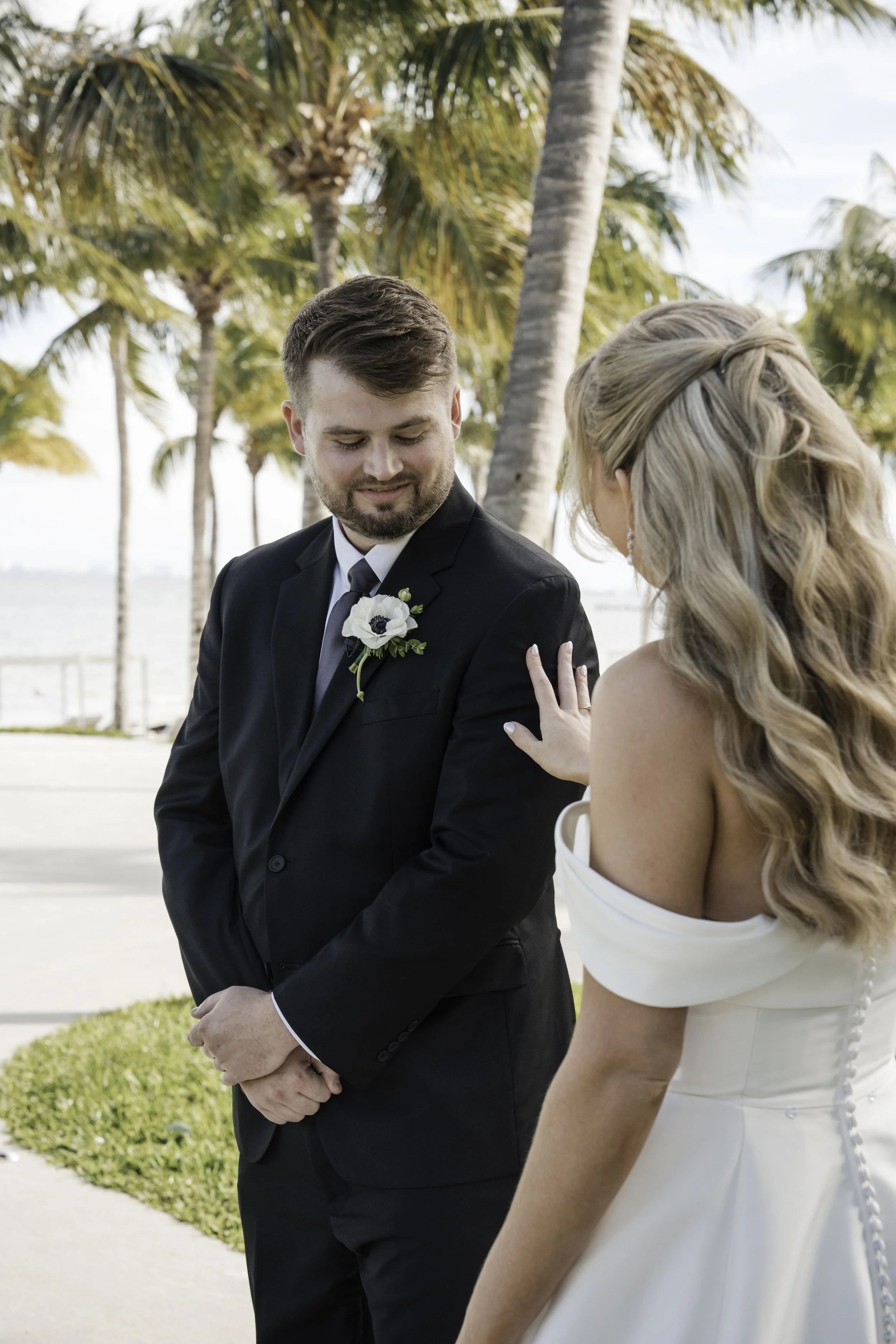
Leveraging the "Destination" Advantage
The beauty of a destination wedding is that it naturally filters your guest list. Unlike a local wedding where you might feel obligated to invite 200 people, including coworkers and distant relatives, a wedding in Mexico usually whittles the list down to your absolute nearest and dearest. Being the center of attention is a lot less daunting when the "audience" consists of 40 people who know you intimately rather than 150 acquaintances. This smaller group creates a safe container where you don't feel judged, but rather supported.
Furthermore, a destination wedding is a multi-day event. By the time the ceremony rolls around on Saturday, you have already spent Thursday and Friday hanging out with your guests by the pool or at the welcome dinner. The ice is broken. You aren't walking into a room of strangers; you are walking into a room of friends you had a margarita with yesterday. This familiarity drastically lowers the social anxiety levels. You can read more about how I capture these candid, relaxed interactions throughout the weekend on my website.

The "Sweetheart Table" Strategy
During the reception, the traditional "Head Table" puts you on display like a panel of judges. You are facing the room, and everyone watches you eat, drink, and whisper. For introverted couples, I highly recommend opting for a "Sweetheart Table" instead. This is a small table just for the two of you, often placed slightly apart from the guest tables. While you are still visible, it creates a physical and psychological bubble of privacy.
This setup allows you to take breaks from socializing. You can sit down, hold hands, eat your dinner in peace, and actually talk to your new spouse without having to shout over the music or entertain a bridal party. It gives you a chance to recharge your social battery so you can get back on the dance floor when you are ready. The Knot offers great examples of how to style these tables so they feel part of the party without being the center of the chaos. It’s a small logistical change that makes a huge difference in your mental energy.

My "Un-Posed" Approach to Photography
A major fear for camera-shy couples is the "photoshoot" portion of the day. You might worry about looking stiff, awkward, or not knowing what to do with your hands. Let me be clear: I will never ask you to gaze into the camera and smile until your cheeks hurt. My photography style is rooted in interaction, not performance. I give you prompts that focus your attention on your partner, not on my lens. I might tell you to "whisper your lunch order in her ear in your sexiest voice" or "walk towards me while trying to make him laugh."
By giving you a task or a game, your brain focuses on the interaction rather than the camera. You stop worrying about how you look and start focusing on how you feel. The result is natural, genuine laughter and connection. Most of the time, my couples tell me they forgot I was even there because they were too busy looking at each other. If you look through the galleries on my portfolio page, you’ll see that the best shots aren't the ones where the couple is looking at me—they are the ones where they are lost in the moment.

Scheduling "Buffer Time"
Introverts need time to decompress, especially on high-stimulation days like a wedding. When we build your timeline, I always advocate for "buffer time"—windows of 15 or 20 minutes where nothing is scheduled. This isn't just for logistical padding; it is for your sanity. Immediately after the ceremony and family photos, we can schedule a quiet 20 minutes for just the two of you to go to your room, freshen up, drink a glass of water, and breathe before joining the cocktail hour.
This downtime prevents sensory overload. It stops the day from feeling like a marathon you are forced to run. Knowing you have these built-in escape valves allows you to handle the spotlight moments with more grace because you know a break is coming.
Reframing the Narrative
Finally, try to shift your mindset about what "attention" means. In your daily life, being stared at might feel judgmental. But on your wedding day, that attention is rooted entirely in love. No one is critiquing your walk or your hair; they are simply happy for you. They traveled thousands of miles to Mexico because they care about you. When you feel the nerves bubbling up, look at your partner. Lock eyes with them and let the rest of the room blur out.
You are not putting on a show for these people; you are sharing a meal and a party with them. You don't have to be the loud, life-of-the-party couple if that isn't who you are. Quiet love is just as photogenic—perhaps even more so. If you are ready to plan a wedding that feels authentic to your personality, regardless of how shy you might be, I am here to help you document it comfortably.
If you are looking for a photographer who understands that not everyone wants to be an influencer, and who knows how to make you feel at home in front of the camera, I would love to chat.

Why Black and White Photography Belongs in Your Destination Wedding Gallery
When you book a destination wedding in Mexico, you are usually chasing the color. You want the electric turquoise of the Caribbean Sea, the lush emerald of the jungle, and the vibrant pinks of the bougainvillea. It is completely natural to expect your gallery to be a rainbow of tropical hues. However, when you receive your final collection from me, you will notice that a significant portion—usually around 30%—of the images are in black and white. This isn't an accident, and it certainly isn't because I forgot to edit the color. It is a deliberate artistic choice designed to strip away the noise and get straight to the heart of the memory.
In a world obsessed with filters and saturated feeds, black and white wedding photography offers something that color simply cannot: undistracted emotion. When we look at a color photograph, our brains are busy processing the data—the shade of the bridesmaids' dresses, the blue of the sky, the tan of the sand. Color is beautiful, but it can also be a distraction. By removing the color spectrum, we force the eye to focus on the composition, the lighting, and, most importantly, the expression on your faces. As a destination wedding photographer in Cancun, my goal is to give you photos that make you feel, not just photos that show you what the beach looked like.
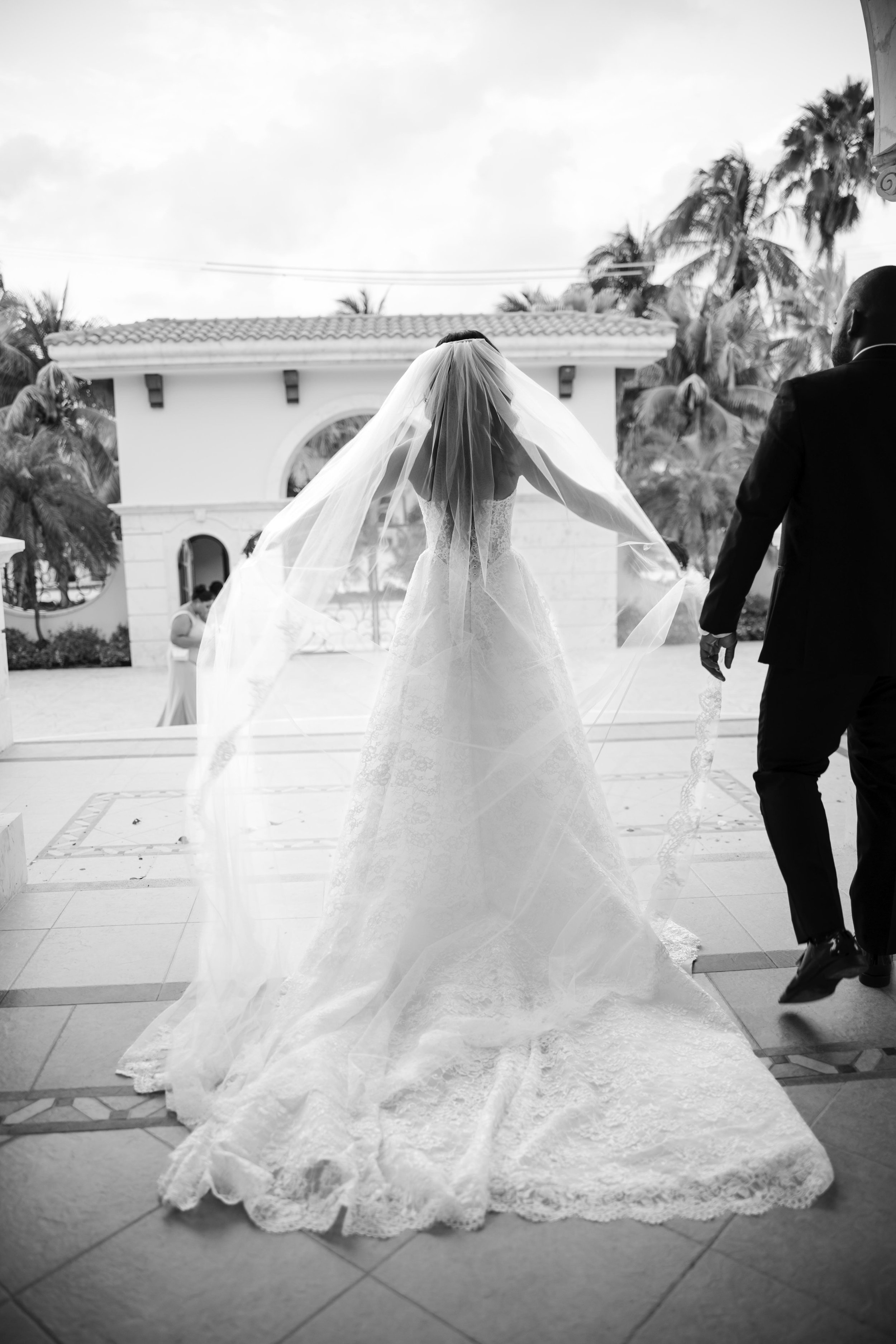
Stripping Away the Distractions
Destination weddings are visually chaotic. While the ocean is stunning, there are often elements we can't control: a bright orange safety cone in the distance, a guest wearing a neon green shirt in the background, or the red glow of an exit sign at the reception venue. In a color photograph, these elements scream for attention and pull the viewer's eye away from the main subject—you. In black and white, however, that neon shirt becomes a subtle shade of gray. The distraction dissolves, allowing the moment between the bride and groom to take center stage.
This is particularly important during the reception. DJ lights can be unforgiving, often casting purple, green, or magenta lasers across your face during the first dance. In color, this can look messy and alien. In black and white, those harsh colored lights transform into dramatic beams of contrast and texture. They add to the energy and atmosphere of the party without ruining your skin tones. By processing these images in monochrome, I can save a moment that might otherwise be ruined by "bad" artificial lighting, turning it into a classic, rock-and-roll style image that looks timeless.
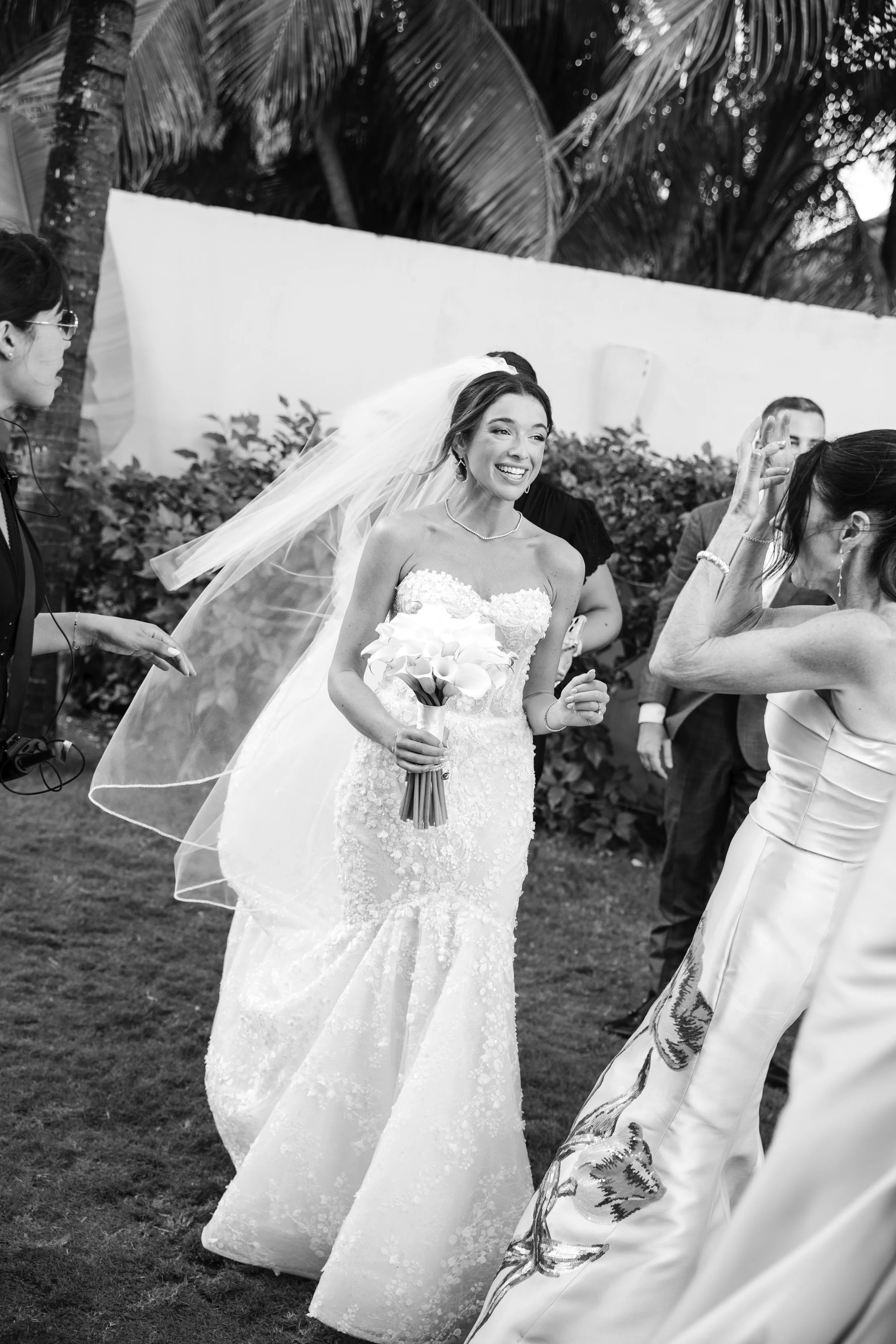
The Language of Emotion
There is a reason why photojournalists and documentary photographers have relied on black and white for decades. It is widely accepted in the art world that monochrome conveys emotion more effectively than color. Without the "information" of color, the brain focuses on the human connection—the tear rolling down a cheek, the veins in a hand holding another, or the crinkle of a nose during a laugh. These textures of humanity are often smoothed over or lost when we are distracted by the vibrancy of the surroundings.
I often choose to edit the most emotional parts of the day—like the father-daughter dance or the reading of the vows—in black and white. I want you to remember how that moment felt, not just what color tie your dad was wearing. Magnum Photos, the legendary photography cooperative, often discusses how black and white photography allows the viewer to enter the image and connect with the subject on a subconscious level. It creates a sense of nostalgia instantly, making a photo taken yesterday feel like a piece of history.

Mastering the Harsh Mexican Sun
Let’s be real about the weather: the sun in Mexico is intense. If you are having a ceremony at 2:00 PM or even 4:00 PM, the light can be harsh, creating deep shadows under your eyes and bright highlights on your forehead. In color photography, this high contrast can sometimes look unflattering or jarring, as the skin tones can shift toward orange or yellow in the heat. This is where black and white shines as a technical savior.
Monochrome loves contrast. What looks like "bad" lighting in color often looks like dramatic, high-fashion editorial lighting in black and white. Those deep shadows become moody and mysterious, sculpting your cheekbones and adding depth to the image. Instead of fighting the harsh sun, I use black and white processing to embrace it, creating images that look bold and intentional rather than washed out. It allows me to deliver a consistent, high-quality gallery regardless of whether a cloud passed over the sun at the exact right second. You can see examples of how I handle different lighting scenarios on my Portfolio page.

Timelessness vs. Trends
Color trends fade. If you look at wedding photos from the 1970s, the sepia tones and muted colors scream "vintage." Even photos from five years ago often have "presets" applied that look dated today. Black and white wedding photography, however, is immune to trends. A monochrome photo taken in 1920 looks stylistically similar to one taken in 2026. It exists outside of time.
When you invest in a wedding gallery, you are investing in family heirlooms. You want images that your grandchildren can look at without laughing at the "retro" editing style. By ensuring a solid portion of your gallery is black and white, I am giving you images that are classic and elegant by default. They are the photos that usually end up framed on the mantle because they match every home decor style and simply never go out of fashion. ArchiSoup frequently highlights how black and white art elevates a space, noting its ability to add sophistication to any room.

A Curated Mix for the Perfect Story
I am not suggesting we ditch color entirely. Your destination wedding is vibrant, and you absolutely deserve those epic wide shots of the blue ocean and the golden sunset. However, a full gallery needs rhythm and flow. If every single image is a blast of bright saturation, it can be visually exhausting to look through 800 photos. Black and white images act as a "palate cleanser" for the eyes, providing moments of quiet and focus amidst the celebration.
When I curate your gallery, I make specific decisions about which images "deserve" color and which are stronger without it. I look for composition, emotion, and light. If a photo relies on the color of the flowers to be interesting, it stays color. If the photo is about the look in your groom's eyes when he sees you, it might go black and white. This intentional editing is part of the service I provide. If you want to see how this mix comes together in a full wedding story, browse the galleries on my main page.
Trust the Artist’s Eye
Ultimately, hiring a professional photographer is about trusting their vision. You aren't just hiring someone to press a button; you are hiring someone to interpret your day and present it back to you as art. Embracing the black and white portion of your gallery means embracing the raw, gritty, beautiful reality of your love story, stripped of all the superficial details.
If you are looking for a photographer who values emotion just as much as the epic landscape, let’s chat. I would love to capture the full spectrum of your day—in living color and timeless monochrome.

Don't Let Your Destination Wedding Photos Die on a USB: You Need a Physical Album
It is the moment every couple waits for: the email notification pops up on your phone, "Your Wedding Gallery is Ready." You rush to open the link, huddled together on the couch, scrolling through hundreds of high-resolution images of your day in Mexico. You laugh at the candid dance floor shots, cry at the ceremony close-ups, and immediately post your top ten favorites to Instagram. But then what? For 90% of couples, that digital gallery is where the experience ends. The tab gets closed, the link gets buried in your inbox, and those beautiful memories effectively "die" on a hard drive or a cloud server, rarely to be seen again.
As a destination wedding photographer in Cancun, I deliver digital galleries because I know you need those files for social media and safe-keeping. However, I am a firm believer that a wedding photograph isn't truly "finished" until it is printed. We live in an increasingly screen-based world, but there is a profound difference between swiping past a photo on a glowing 6-inch screen and holding a heavy, handcrafted book in your lap. A physical album is an insurance policy for your memories and the final, tangible piece of art from your investment.

The Myth of "Digital Forever"
We like to think that the internet is permanent, but technology is actually incredibly fragile and constantly evolving. Think about it: do you still have a way to read a floppy disk? How about a CD-ROM? Even USB ports are changing so fast that the "universal" drive you buy today might need a dongle or adapter to work on the computer you buy five years from now. Hard drives fail, cloud subscription services change their terms or go out of business, and passwords get forgotten. If your wedding photos exist only as zeros and ones on a server, you are one technical glitch away from losing them forever.
A physical album, however, requires no software updates, no battery power, and no monthly subscription fee. It is technology-proof. When you invest in a professional-grade album, you are buying an object designed to last for generations, not just until the next iPhone update. There is a peace of mind that comes with knowing that even if the internet crashes or your laptop gets stolen, your wedding story sits safely on your coffee table or bookshelf, ready to be relived at a moment's notice. It is the only format that is guaranteed to be viewable in fifty years exactly as it is today.
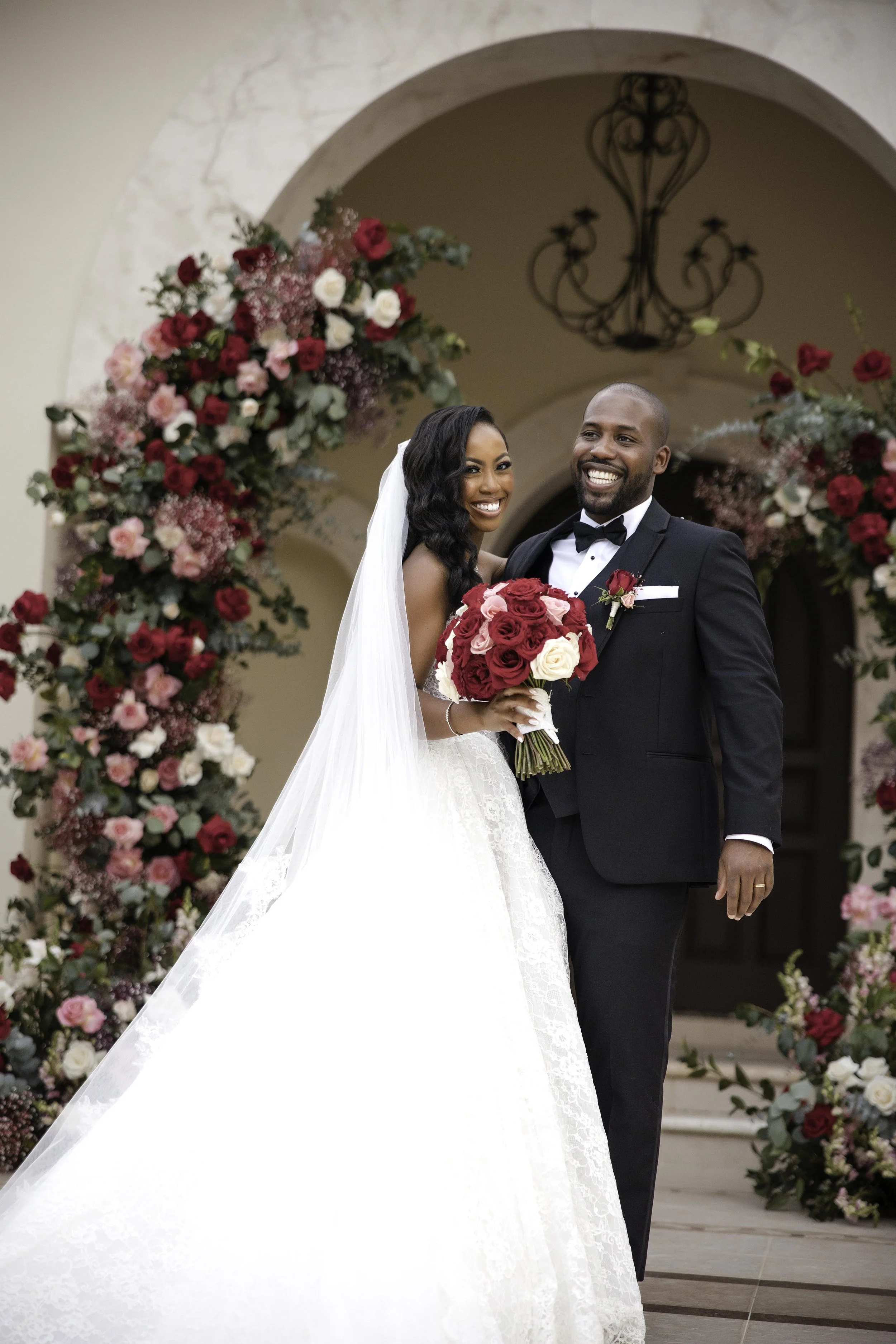
Curation vs. Clutter
A typical destination wedding gallery I deliver might have 600 to 800 images. While it is wonderful to have that comprehensive archive, it can be overwhelming to view all at once. When you show your wedding photos to friends or family on a computer, you can see their eyes glaze over around photo number 50. Digital galleries are for archiving; albums are for storytelling. An album forces us to curate the "best of the best"—the 60 or 80 images that truly define the narrative of the day. It cuts out the clutter and focuses on the emotion, the landscape, and the key moments that matter most.
Designing an album is about pacing and flow, creating a cinematic experience that guides the viewer through the day. We start with the scene-setting shots of your venue—perhaps the waves crashing in the Riviera Maya—move through the nervous anticipation of getting ready, the emotional crescendo of the vows, and finally, the wild energy of the party. As an artist, this is where I feel I can serve you best. You can read more about my philosophy on storytelling and curation on my About page, but essentially, an album turns a folder of files into a cohesive, breathtaking storybook.
The Tactile Emotional Connection
There is a psychological difference between looking at a screen and touching a physical object. Scientific studies on haptics (the sense of touch) suggest that we retain more information and feel a deeper emotional connection when we physically handle a document versus reading it digitally. When you turn the thick, matte pages of a wedding album, you slow down. You linger on the image of your grandmother wiping a tear; you trace the lace detail of your dress. It becomes a sensory experience that a screen simply cannot replicate.
This tactile quality also changes how you view your own history. A screen is a source of distraction—notifications pop up, the battery dies, the blue light strains your eyes. An album is a quiet, dedicated space for memory. It invites you to sit down with a glass of wine on your anniversary and truly reflect on the love you share. It anchors the memories in the real world, giving them weight and substance. In a destination wedding context, where the setting is so vibrant and textural—the sand, the stone, the ocean—a high-quality print on fine art paper brings those textures back to life in a way a pixelated screen never can.
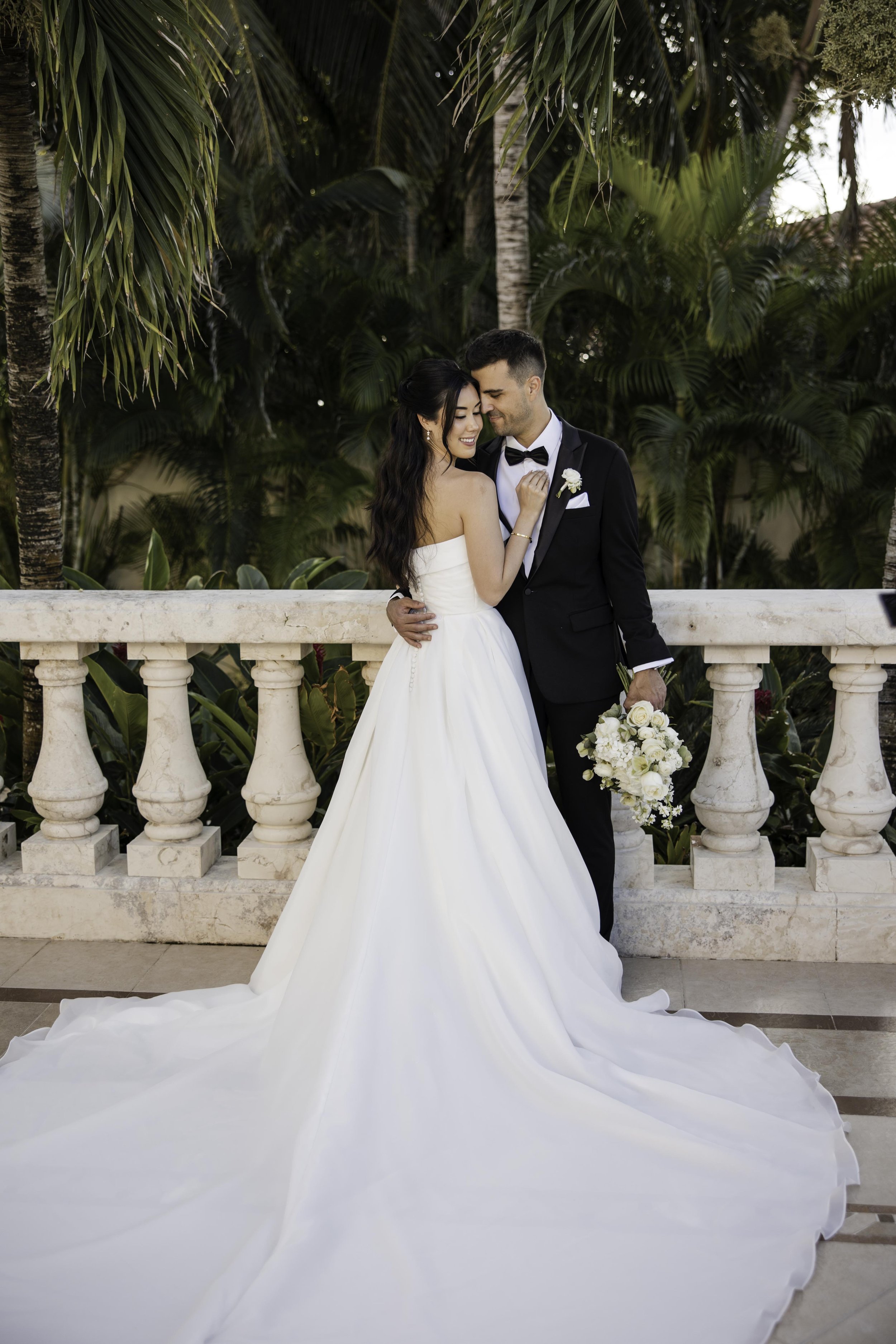
It’s Not For You, It’s For Them
One of the most common things I hear from couples is, "We don't need an album right now, maybe later." But the truth is, the album isn't really for you in the present moment; it is for your future family. Think about your own childhood—did you ever find your parents' or grandparents' wedding album tucked away in a closet? Do you remember the feeling of flipping through it and seeing them young and in love? That is the experience you are purchasing. You are creating an heirloom that will likely outlive you.
If your photos are locked behind a password on a cloud gallery, your future children or grandchildren may never find them. A physical book is a legacy piece. It says, "This happened. We were here. We loved each other." It becomes a part of your family's history that can be physically handed down. The Library of Congress actually recommends printing photos on high-quality paper as the best method for long-term preservation. By printing your wedding photos, you are ensuring that your story remains accessible and tangible for the people who will love you long after the wedding day is over.
The "DIY" Trap vs. Professional Artistry
Finally, let’s talk about the "I'll do it myself" trap. Many couples intend to make their own book using a consumer site like Shutterfly or Mixbook. The reality? Life gets in the way. You return from the honeymoon, go back to work, and two years later, those photos are still sitting in a folder named "To Print." Furthermore, consumer-grade books often use ink and paper that degrade, yellow, and fade within a decade. They simply do not compare to the archival ink, museum-grade paper, and hand-bound leather covers that professional studios have access to.
When you book an album through Arch Wedding Studio, you aren't just buying a book; you are buying a service. I handle the layout, the design, and the quality control. I ensure the colors are calibrated perfectly so your Mexican sunset looks orange and gold, not muddy and green. I take the stress off your plate so you end up with a finished masterpiece rather than another item on your to-do list. If you want to see the difference between a digital file and a finished work of art, I invite you to visit my main page and explore the portfolio galleries to imagine how your day would look in print.
Secure Your Legacy
Your wedding day in Mexico is going to be a whirlwind of color, emotion, and beauty. Don't let those memories fade into the digital abyss. Give your images the home they deserve in a custom-designed, handcrafted album that you can hold, share, and cherish for the rest of your lives.
If you are ready to plan a wedding that results in a tangible family heirloom, I would love to be the one to document it for you. Let's create something that lasts forever.

Why Golden Hour Hits Different in Cabo vs. Cancun
We need to talk about the sun. When couples book a destination wedding, they obsess over the venue, the menu, and the guest list, but they often overlook the one factor that dictates the look of every single photo I take: the geography. Mexico is massive, and the lighting conditions on the East Coast (Cancun/Riviera Maya) are radically different from the West Coast (Los Cabos). As a photographer, I don't just chase light; I plan your entire timeline around it. Understanding the difference between a Cabo vs. Cancun sunset is the key to avoiding squinty ceremony photos and nailing those dream portraits.
Here is the simple truth: Light is not created equal. The "Golden Hour"—that magical window before sunset where the light turns soft and flattering—behaves differently depending on which ocean you are facing. In Cancun, we are on the Caribbean Sea, facing East. In Cabo, we are at the tip of the Baja Peninsula, facing the Pacific (mostly South/West). This geographical shift changes the angle of the light, the duration of the sunset, and ultimately, the "vibe" of your golden hour destination wedding gallery. Let’s break down what this means for your big day.

Cancun and Riviera Maya: The Soft, Dreamy Glow
In Cancun, Tulum, and the Riviera Maya, the sun rises over the ocean and sets over the jungle. This means that during your evening ceremony, the sun is actually behind the hotels or the tree line, not over the water. This creates a phenomenon called "open shade." As the sun drops behind the resort buildings in the late afternoon, the beach falls into shadow while the sky remains bright. This is fantastic for ceremonies because it means your guests aren't staring directly into the blinding sun, and you aren't squinting at your partner while saying your vows. The light becomes soft, even, and incredibly flattering on skin tones well before the actual sunset time.
The trade-off, however, is that you rarely get those photos where the sun is dipping directly into the water behind you. Instead, we get what I call the "cotton candy" sky. Because the harsh direct light is blocked by the land, the sky over the ocean turns into a soft gradient of pinks, purples, and blues. It creates a pastel, romantic aesthetic that defines the classic Caribbean wedding look. It also means we lose light a bit faster on the East Coast. Once the sun dips below the jungle horizon, twilight sets in quickly, so we have to be efficient with your couple portraits to catch that lingering ambient light before it goes pitch black. You can see examples of this soft lighting on my Cancun destination wedding photographer portfolio.
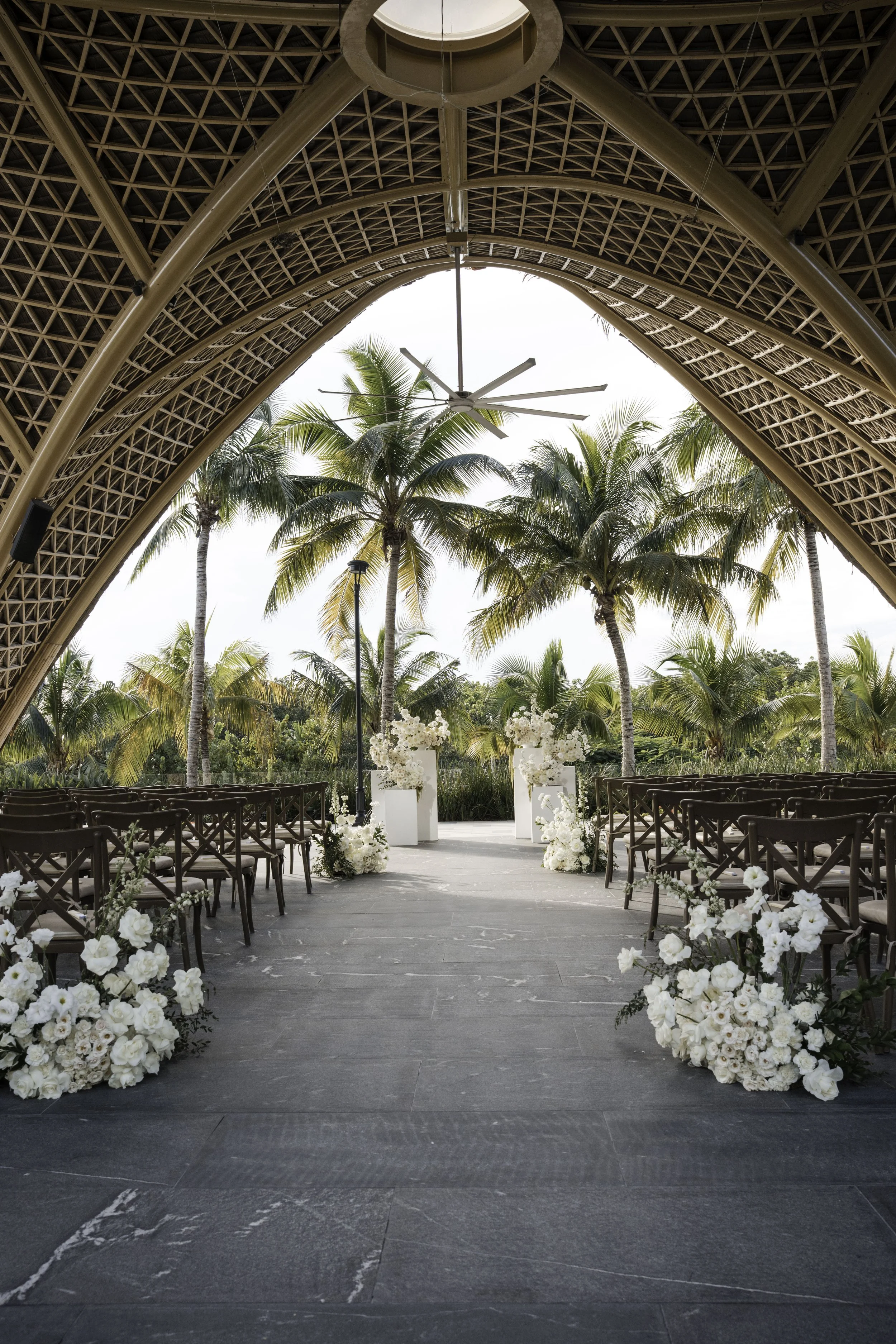
Los Cabos: The Dramatic, Fiery Finish
Los Cabos is a completely different beast. Here, the sun sets directly over the Pacific Ocean (or behind the famous Arch, depending on where your venue is). This means the light stays harsh and direct for much longer. If you schedule your ceremony too early in Cabo, you will likely have full, blasting sunlight hitting you sideways, creating hard shadows and causing everyone to reach for their sunglasses. The "Golden Hour" here is intense, warm, and rich. It’s not the soft pastel of the Caribbean; it is a deep, burning gold that reflects off the desert sand and the deep blue ocean.
Because the sun hits the water, we get that cinematic silhouette shot that couples love. However, the timing is critical. In Cabo, we often push the ceremony start time a bit later than we would in Cancun to ensure the sun has dipped low enough to be manageable. The transition from bright sun to sunset is dramatic. One minute you are bathed in gold, and the next, the sun sinks into the ocean and the light vanishes. It requires a photographer who can work fast and handle high-contrast situations. The result is a gallery that feels edgier, bolder, and warmer—perfect for the "desert chic" vibe. For a deeper dive into my style and how I handle these lighting extremes, check out my About page.

When Should You Walk Down the Aisle?
Because of these lighting differences, a 5:00 PM ceremony in Cancun is not the same as a 5:00 PM ceremony in Cabo. In the Riviera Maya, I often suggest starting the ceremony about 90 minutes before official sunset. This allows us to catch the soft light during the vows and still have plenty of time for family photos and couple portraits before we lose the light completely. If you wait too long in Cancun, your ceremony might be beautiful, but your portraits will be in the dark. It is a balancing act of ensuring we have enough light left for the romantic shots after the "I dos."
In Cabo, we can often afford to start closer to sunset, perhaps 60 to 75 minutes before the sun goes down, because the light remains strong until the very last second. However, you have to factor in the heat. Direct sun in Cabo is hotter than the shaded beach in Cancun. I help my couples build their timeline by looking at Time and Date’s sun calculator specifically for their venue's orientation. If your venue faces due West, we need to be very careful about not blinding your guests. If it faces South, we have more flexibility. Planning these logistics is part of the service I offer to ensure we aren't rushing against the clock.
The "Blue Hour" Factor
There is a secret phase of twilight called "Blue Hour" that happens right after the sun disappears, and it looks totally different on each coast. In Cancun, Blue Hour is magical. Because the water is shallow and turquoise, it glows even in low light. The sky turns a deep royal blue, and the white sand acts as a natural reflector, bouncing light back onto your faces. It creates a clean, ethereal look that is perfect for those final wide-angle shots of the environment before we head to the reception. It feels serene and pure.
In Cabo, the ocean is darker (deep Pacific blue/black), and the desert rocks don't reflect light the same way. Blue Hour in Cabo can feel moody and mysterious. Understanding these color palettes helps you decide which location fits your personal style better. If you are torn between the two, looking at full galleries on my main page might help you decide which background speaks to you.

Choosing Your Destination Based on Light
Ultimately, your choice between Cabo vs. Cancun shouldn't just be about the tacos (though both are excellent); it should be about the visual story you want to tell. Do you want the soft, dreamy, teal-and-pink palette of the Caribbean? Or do you crave the high-contrast, gold-and-deep-blue drama of the Baja desert? Both are spectacular, but they require different photographic approaches and different timelines.
Don't leave your wedding photos to chance or a rigid hotel schedule that doesn't account for the sun. I specialize in reading the light and crafting a timeline that maximizes the beauty of your chosen destination. Whether it’s the jungle or the desert, I make sure the light works for you.

Let’s Chase the Sun
Your wedding photos are the only thing that lasts after the champagne is drunk and the flowers wilt. Make sure they are lit perfectly. I am ready to help you plan the ultimate golden hour destination wedding, whether that’s on the white sands of Tulum or the cliffs of Los Cabos.
If you are ready to talk about timelines, lighting, and capturing your love story in the best possible light, I would love to hear from you.

Why You Should Consider a Private Villa for Your Wedding
When you close your eyes and imagine your destination wedding in Mexico, what do you see? You probably picture an intimate exchange of vows with the ocean breeze in your hair, surrounded only by your closest friends and family. What you don't picture is a random tourist in a neon green Speedo walking through the background of your ceremony, or the booming bass of a poolside aerobics class interrupting your vows. Unfortunately, this is the reality for many couples who book large all-inclusive resorts. While resorts offer convenience, they often lack the one thing luxury clients crave most: true privacy.
As a photographer, I have shot weddings in every setting imaginable, from massive hotel ballrooms to secluded jungle clearings. I can tell you with certainty that if you want an event that feels exclusive, timeless, and deeply personal, you should look beyond the hotel strip. A private villa in the Riviera Maya offers an experience that no resort can match. It is not just about avoiding the crowds; it is about immersing yourself in the authentic culture and architecture of Mexico, creating a backdrop for your photos that is as unique as your love story.

The "Speedo-Free" Guarantee: Total Privacy
The most obvious benefit of booking a private estate or hacienda is exclusivity. When you book a venue like Hacienda Sac Chich or Villa la Joya, you are renting the entire property. There are no hotel guests fighting for lounge chairs, no strangers watching your first dance from a balcony, and absolutely no photobombers in the background of your portraits. This level of privacy creates a "bubble" around your celebration. It allows you and your guests to truly let your guard down, resulting in candid moments that are genuine and uninhibited.
From a photography standpoint, this control over the environment is priceless. I don't have to use clever angles to crop out a crowded pool bar or wait for strangers to move out of the frame. The entire grounds become our studio. We can shoot on the grand staircase, in the lush gardens, or by the private pool without anyone watching. This seclusion not only makes for cleaner, more elegant images but also makes you feel more comfortable. If you are camera-shy, having an audience of strangers at a resort can be nerve-wracking. At a private villa, the only eyes on you are the ones filled with love. You can read more about how I approach capturing these intimate moments on my About page.
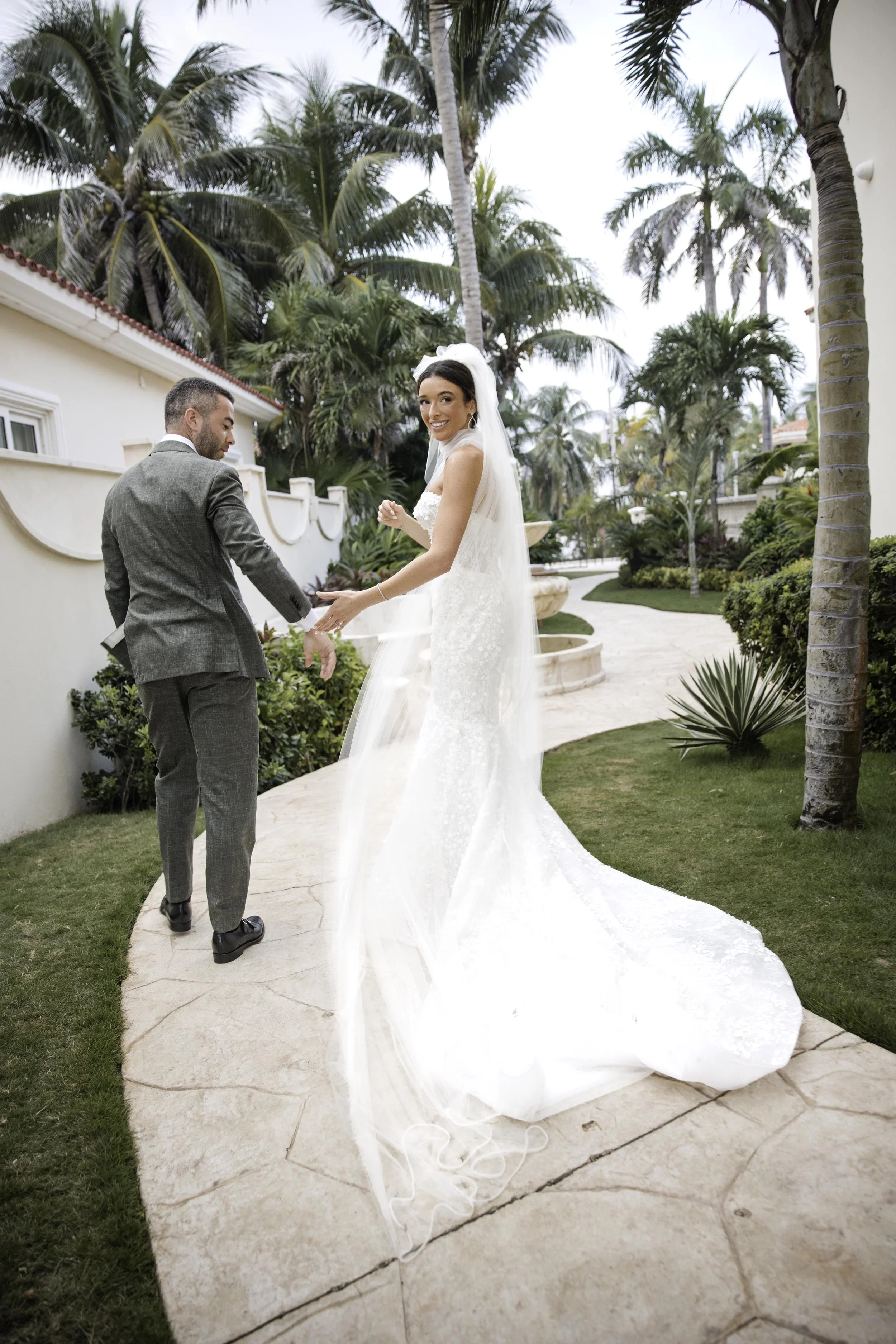
Authentic Architecture vs. "Hotel Beige"
Let’s be honest: many all-inclusive resorts, despite being luxurious, look the same. They are often massive concrete structures designed for efficiency, not necessarily for romance. A private villa, on the other hand, is usually dripping with history and character. We are talking about 18th-century stone walls, towering arches, intricate tile work, and courtyards filled with bougainvillea. These textures provide a rich, cinematic quality to your destination wedding photos that you simply cannot get at a modern hotel. The venue itself does the heavy lifting for your decor; you don't need to spend thousands covering up a generic ballroom when the walls around you are pieces of art.
This aesthetic distinction is crucial for couples who want their wedding to feel like it is actually in Mexico, rather than just in a generic tropical location. The "Old World" charm of a villa pairs beautifully with modern wedding fashion, creating a contrast that looks stunning in print. Whether it is the play of light and shadow through a colonial archway or the vibrant colors of a Mexican garden, these venues offer a sense of place. Architectural Digest often highlights how these restored properties blend historical significance with modern luxury, and that blend is exactly what makes for a sophisticated wedding gallery.
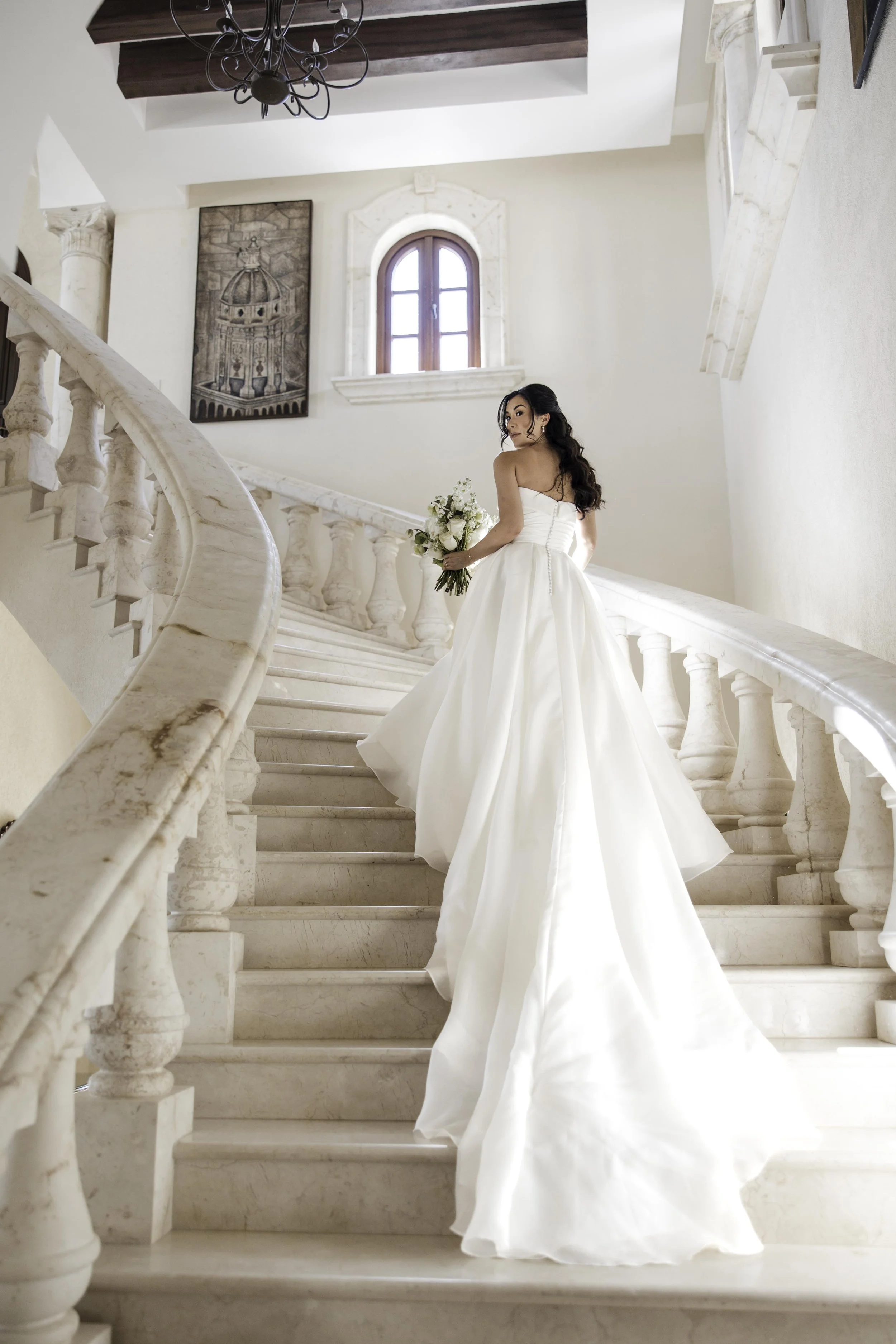
Freedom from "Preferred Vendor" Restrictions
One of the biggest frustrations couples face when planning a resort wedding is the dreaded "preferred vendor list." Many hotels force you to use their in-house florist, DJ, and decorator, or they charge you a massive "outside vendor fee" to bring in your own team. This often results in cookie-cutter weddings where every centerpiece looks the same. Private villas generally operate with an open-vendor policy. This means you have the freedom to curate a dream team of the best local talent without being penalized. You can hire a specific caterer who specializes in authentic Oaxacan cuisine, a florist who builds custom installations, and, of course, the photographer you truly connect with.
This freedom allows you to design a wedding that is 100% unique to you. As a destination wedding photographer in Cancun, I love working at villas because I can collaborate freely with other creative vendors to produce something spectacular. We aren't limited by the resort's strict timelines or rules about where we can and can't go. If we want to move the dinner tables to a different courtyard because the light is better, we can. This flexibility ensures that your investment goes toward quality and creativity, rather than arbitrary fees and "standard packages."

The "Three-Day Party" Vibe
When you book a private villa or hacienda, you aren't just booking a venue for six hours; you are often booking a home for the weekend. Many of these properties have on-site accommodation for your immediate family or bridal party. This transforms your wedding from a single evening event into a multi-day bonding experience. Imagine waking up on your wedding day and having coffee by the pool with your parents, or hosting a relaxed welcome dinner in the courtyard the night before without ever leaving the property. It slows down the pace of the weekend, allowing you to actually spend quality time with your guests.
This relaxed timeline works wonders for your photography. It gives us opportunities to capture the "in-between" moments—the morning swims, the rehearsal dinner toasts, and the late-night conversations under the stars. It removes the rush and stress of transportation logistics, as everything is happening in one place. Wedaways suggests that hosting all events in one location is the key to a stress-free guest experience. By creating a central hub for your celebration, you build a sense of community that translates into warm, joyful photos.

Lighting and Layout
Finally, let’s talk about light. Light is the most important ingredient in photography, and villas are often designed to master it. These structures were built centuries ago to keep cool in the Mexican heat, utilizing high ceilings, open-air corridors, and shaded courtyards. This creates pockets of soft, directional light that are incredibly flattering for portraits. Unlike a beach resort where you are often fighting harsh, direct sunlight with no shade in sight, a Riviera Maya villa offers diverse lighting scenarios at any time of day.
The variety of backdrops within a single property allows us to create a diverse gallery without you having to travel. We can shoot romantic, moody portraits in the chapel, bright and airy shots in the gardens, and dramatic, architectural images against the stone walls. It allows me, as your Cancun wedding photographer, to push my creativity. If it rains, villas usually have beautiful covered terraces that save the day without ruining the aesthetic—something that is much harder to find on a beach.
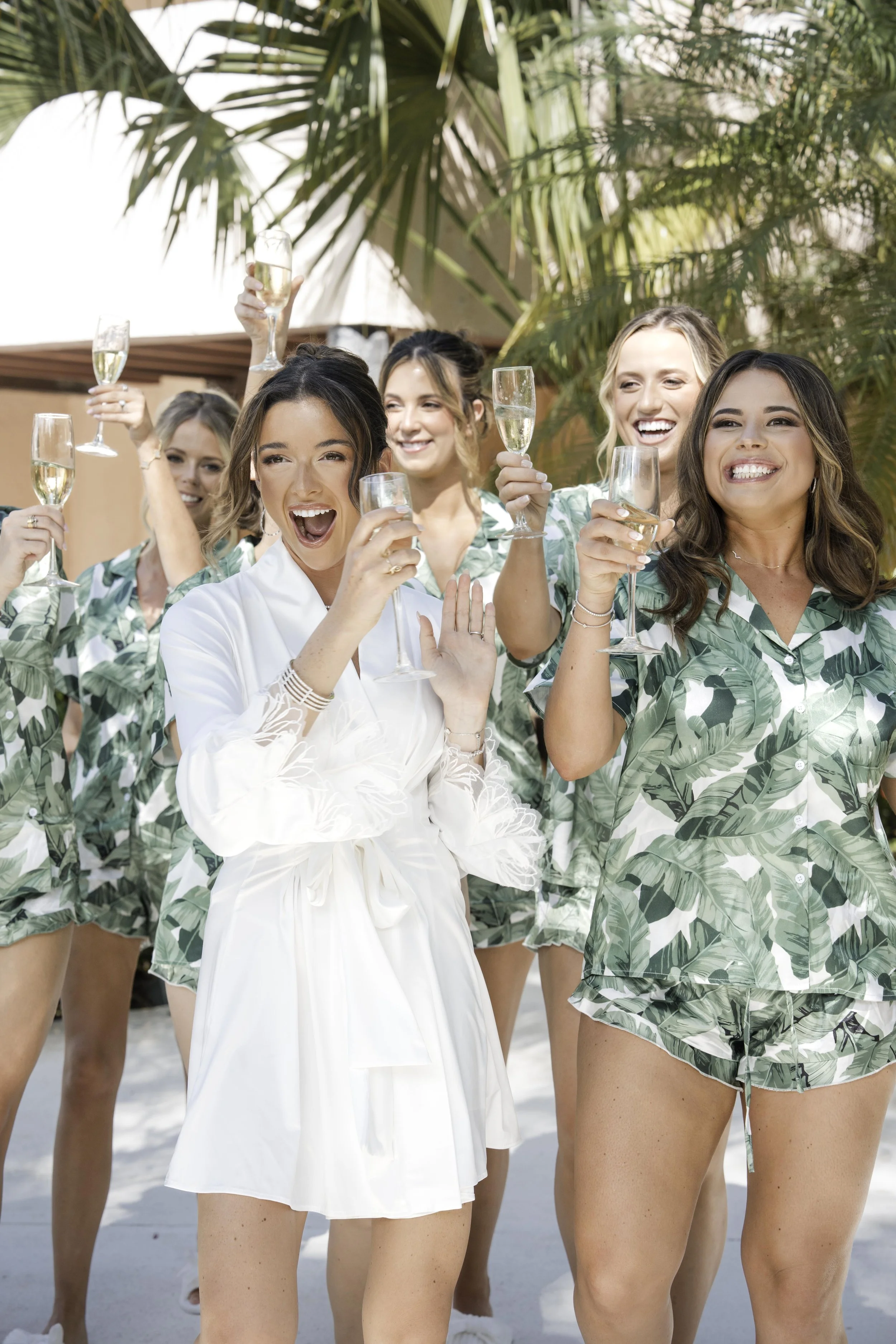
Ready to escape the ordinary?
Your wedding day is a once-in-a-lifetime investment. You deserve a setting that honors the magnitude of the occasion—a place that offers intimacy, beauty, and the freedom to celebrate exactly how you want. A private villa provides the canvas for a truly bespoke experience, ensuring that your memories (and your photos) are timeless, elegant, and completely yours.
If you are considering a private estate for your big day and want a photographer who knows how to capture the unique magic of these venues, I would love to chat. Visit my main page to see more of my work, or reach out directly to start planning.

Getting Your 50+ Guests from Cancun Airport to Tulum Without Stress
You have done the hard part: you convinced 50 of your favorite people to take time off work, buy flights, and fly to Mexico to watch you say "I do". Now comes the logistical nightmare that keeps most destination wedding brides up at night: getting guests from Cancun to Tulum. It is an hour-and-a-half drive (on a good day) from the airport to the hotel zone in Tulum. The last thing you want is for your Grandma to be stranded at Terminal 3 negotiating with a taxi driver in broken Spanish, or for your maid of honor to arrive at the welcome dinner sweaty and stressed because she took the wrong bus.
As a photographer, I see the difference between a wedding group that arrives relaxed and one that arrives frazzled. When guests have a smooth transfer, the vibe at the welcome party is electric. When they have had a travel day from hell, the energy is low, and the smiles in the photos look a little forced. The key to a stress-free arrival isn't luck; it's strategy. You need to take the reins on this one. Here is the no-nonsense guide to moving your people south without the headache.
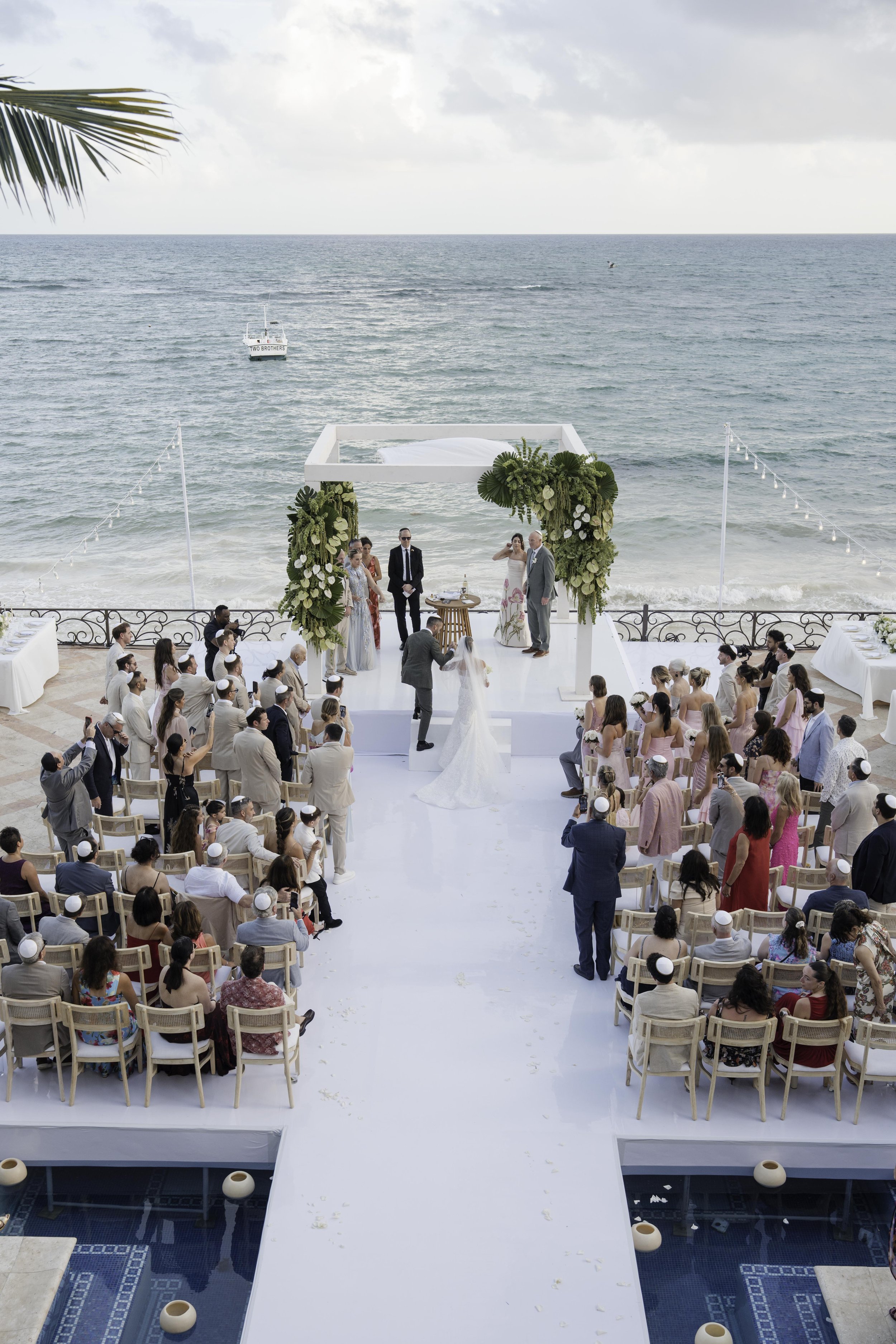
The "VIP" Option: Private Chartered Buses
If you have a large group arriving around the same time (or if you can gently suggest a "preferred" flight window), the absolute best move is to charter a private coach bus. Companies like Happy Shuttle Cancun or Cancun Airport Transportation offer private buses that can hold 45+ people. It might sound like a field trip, but it is actually a luxury experience. Everyone gets on the same air-conditioned vehicle, cracks open a cold beer (yes, you can usually pre-order drinks), and the party starts the second they leave the terminal.
They have bonded on the ride down, the ice is broken, and they are ready to celebrate. Financially, this often works out cheaper per head than everyone booking their own private vans. You can organize two main buses: one for the early afternoon arrivals and one for the evening arrivals. It requires a spreadsheet to track flight times, but the peace of mind is worth every second of admin work.
The New Player: The Mayan Train (Tren Maya)
By late 2025, the Tren Maya has become a viable and trendy option for getting to Tulum. It is faster than driving during rush hour and avoids the unpredictable traffic on Highway 307. The train station is connected to the Cancun Airport terminals by a shuttle, and the ride down to the new Tulum station is smooth and scenic. For guests who are adventurous or arriving solo at odd hours, this is a fantastic recommendation to put on your wedding website.
However, a word of caution: the train drops them at the Tulum station, which is still a bit of a trek from the beach hotel zone. They will need to grab a taxi from the train station to their final destination. If you have older guests or people with heavy luggage, the multi-leg journey (shuttle -> train -> taxi) might be too much friction. I recommend this option for your younger friends who pack light and want to see the jungle scenery, but maybe stick to door-to-door car service for the parents and grandparents.
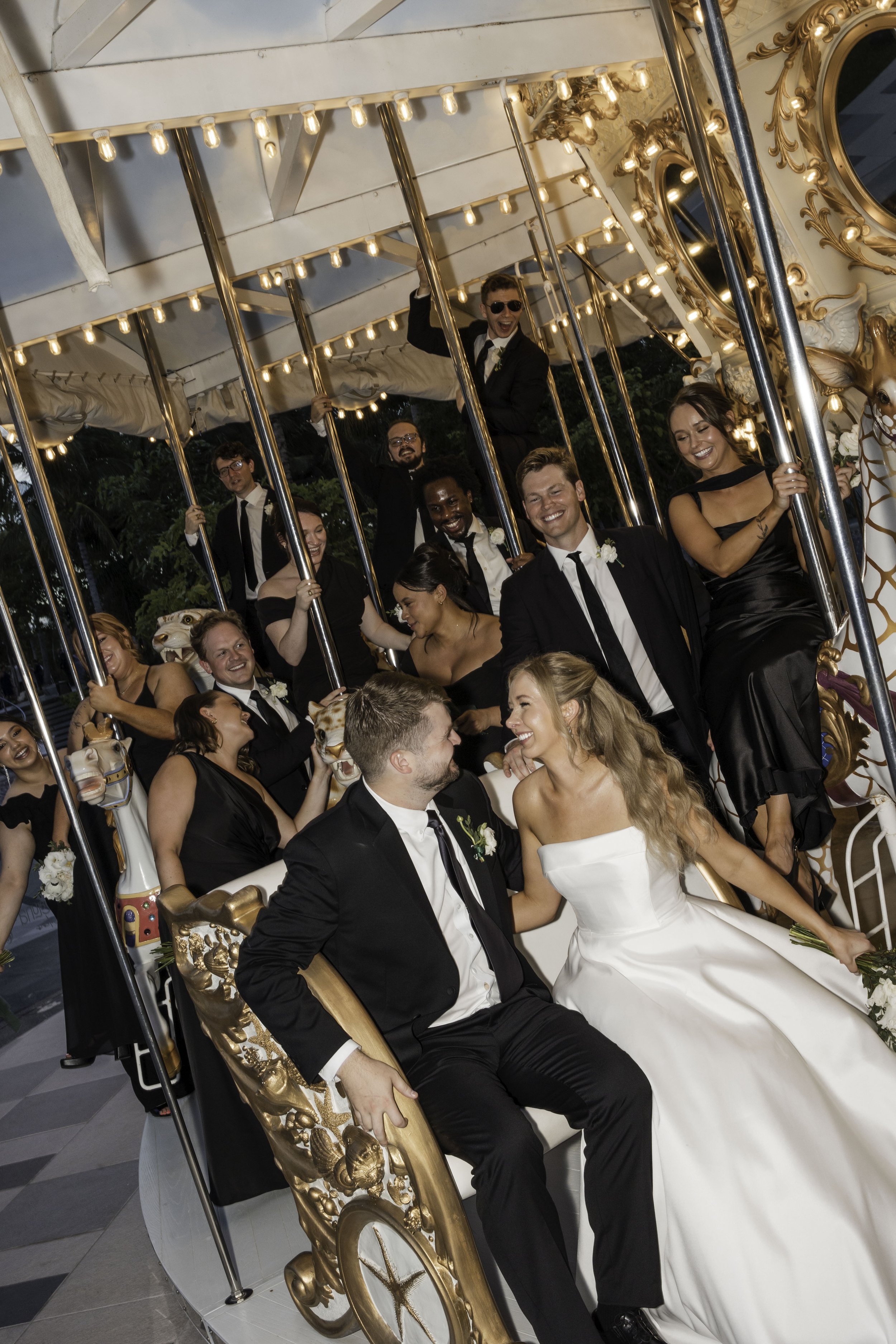
Grouping Guests by "Arrival Windows"
You do not need to pay for everyone’s transfer, but you should help them coordinate. The biggest mistake I see is couples letting every guest fend for themselves. This results in 25 separate vehicles driving to the same place, which is bad for the planet and your guests' wallets. Instead, create a shared Google Sheet or use a tab on your wedding website where guests can input their flight details.
Once you have the data, play matchmaker. Group people landing within 90 minutes of each other and introduce them via email or WhatsApp. "Hey Cousin Mike, Aunt Sarah lands an hour after you; why don't you guys split a private Sprinter van?" They will thank you for saving them money, and they will have a travel buddy to navigate customs with. It fosters that community feeling before they even reach the resort, which translates to better interactions in your candid photos later in the weekend.
What to Avoid (The "Do Not Do This" List)
Please, for the love of your sanity, tell your guests not to take the yellow taxis at the airport curb. They are notoriously expensive (often charging $150+ USD for a ride that should cost half that) and the quality is hit-or-miss. Also, advise against renting cars unless they plan to do serious exploring after the wedding weekend. Parking in Tulum is a nightmare—tight spaces, expensive lots, and confusing signage. You don't want your groomsmen late to the rehearsal dinner because they couldn't find a place to park their rental Jetta.
Also, be realistic about the "collectivo" (shared public van). While it is the cheapest way to travel ($5 USD), it is hot, crowded, and not suitable for anyone hauling a suitcase and a garment bag with a suit inside. Save the backpacking adventures for the honeymoon. For the wedding, prioritize comfort and air conditioning. You want your guests arriving fresh-faced and ready for photos, not melted and exhausted.

The "Welcome" Experience Starts at the Airport
If you really want to impress, hire a transportation company that offers "greeter" service. They will stand at the exit with a sign customized with your wedding logo or hashtag, not just a generic name. It makes your guests feel like VIPs immediately. Some services even offer "cold towel" service and bottled water right at the curb.
These small details set the tone for the entire event. It signals to your guests that they are taken care of, that you have thought of everything, and that they can relax. That relaxation is the secret ingredient to great wedding photos. When guests aren't stressed about logistics, they are present in the moment. They laugh louder, cry happier tears, and dance harder. If you want to know more about how a relaxed vibe improves your gallery, check out my About page.

Let's Get the Party Started
Transportation might not be the sexiest part of wedding planning, but it is the backbone of the guest experience. Getting your crew from A to B safely and efficiently ensures that when I point my camera at them, they are smiling because they are happy, not because they are relieved the travel nightmare is over.
If you are planning a wedding in Tulum and need a photographer who helps you navigate the logistics as well as the lighting, I’m your guy. I have been shooting destination weddings in Cancun and Tulum for years, and I’m happy to share my vendor list with my couples.

Planning Your Jewish Wedding at Villa La Joya
When you close your eyes and picture a Jewish destination wedding, what do you see? Maybe it’s a chuppah draped in white linen fluttering against a turquoise ocean backdrop. Maybe it’s the sound of the glass breaking, followed immediately by the roar of the waves and "Siman Tov U’Mazal Tov" played by a mariachi band. If this is the dream, there is one venue in the Riviera Maya that stands head and shoulders above the rest for making it a reality: Villa La Joya.
As a photographer who has captured countless love stories in Cancun and Playa del Carmen, I often see couples struggle with the limitations of big all-inclusive resorts. They want a traditional Jewish ceremony with a kosher meal, but the resort’s "cookie-cutter" packages just can’t accommodate the specific logistical needs of the tisch, the bedeken, or a custom kosher menu. This is where Villa La Joya shines. It is a private, exclusive-use villa that gives you total freedom to bring in your own vendors, meaning you don’t have to compromise on tradition or luxury. Here is my guide to planning a Jewish wedding at this stunning venue that honors your heritage while embracing the tropical vibe.
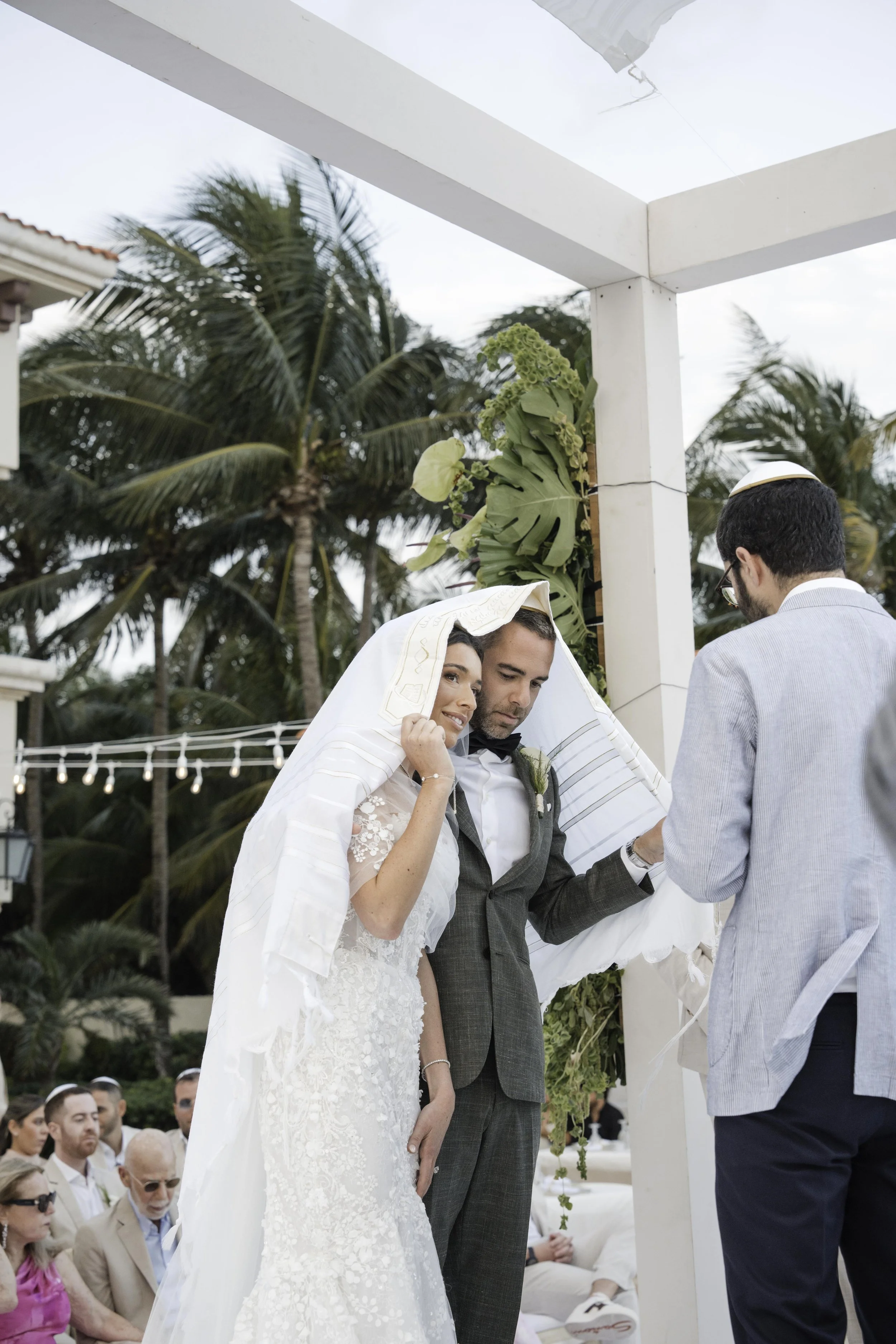
The Perfect Spot for Your Chuppah
The chuppah is the focal point of the Jewish ceremony, symbolizing the home you will build together. At most resorts, you are stuck with whatever gazebo they have on-site. At Villa La Joya, the world is your oyster. The villa’s architecture is grand and European-inspired, offering a sophisticated backdrop that feels more like a Lake Como estate than a typical beach hut. Most of my couples choose to set up their chuppah on the villa’s expansive garden lawn, right at the edge of the sea. This offers the best of both worlds: you get the stunning ocean view without your guests having to trudge through deep sand in their heels.
From a photography perspective, the lighting here is a dream. If you position the chuppah facing the ocean, we can time your ceremony so the sun is softening behind you, creating that ethereal, glowing look that makes for incredible photos. Because the villa is private, you won't have random tourists in swimsuits wandering into the background of your sacred vows. It is just you, your family, and the open horizon. I always recommend working with a florist who understands the structural needs of a chuppah—it needs to be sturdy enough to withstand the ocean breeze while looking delicate enough for your photos.
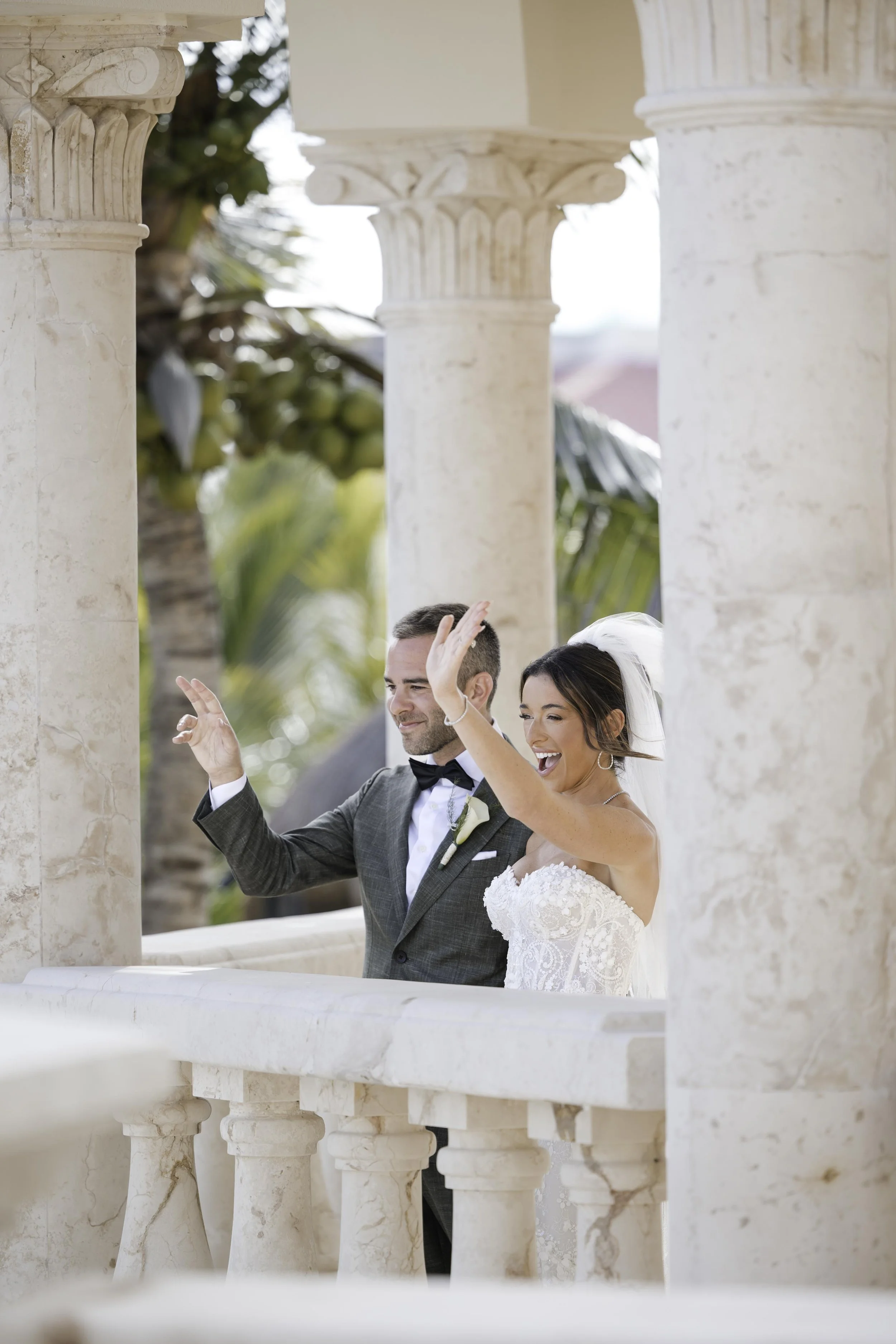
Logistics of the Bedeken and Tisch
One of the most emotional parts of a Jewish wedding is the bedeken (veiling ceremony) and the tisch (groom's reception). These rituals require separate spaces before the main ceremony, which can be a logistical nightmare in a crowded hotel lobby. Villa La Joya is laid out perfectly for this flow. The groom can host his tisch on the lower patio or in a shaded garden corner, singing and toasting with his groomsmen, while the bride gets ready in the luxurious upstairs bridal suite.
For the bedeken itself, the villa’s grand staircase or the upper balcony are show-stopping locations. I love photographing the moment the groom walks up to see his bride for the first time; the architecture of the villa adds a sense of grandeur and timelessness to the images. Because you have the entire property to yourselves, we can orchestrate this "first look" in complete privacy. There is no rushing because there won’t be another wedding scheduled right after yours. You can take your time, cry the happy tears, and soak in the weight of the moment before heading down to the chuppah.
Kosher Catering in Mexico
Food is central to Jewish culture, and for many families, keeping kosher is non-negotiable. This is often the biggest hurdle at destination weddings. Most all-inclusive resorts have strict rules against outside food, forcing you to use their non-kosher kitchens or pay exorbitant fees for "kosher-style" meals that might not meet strict Orthodox standards. Villa La Joya has no vendor restrictions. This is a game-changer. You are free to hire any of the fantastic kosher caterers available in the Cancun and Playa del Carmen area, such as The Ember or Kosher Catering Gourmet.
This flexibility allows you to craft a menu that is authentic and delicious. Imagine a cocktail hour with kosher margaritas and ceviche, followed by a reception dinner that adheres to kashrut laws but still features fresh, local Mexican flavors. As a destination wedding photographer in Cancun, I have seen how much happier guests are when the food is high-quality and safe for them to eat. Plus, since you aren't locked into a package, you can bring in a kosher cake baker or specialty desserts without a penalty fee.
The Saturday Night Sunset Dilemma
If you are planning a traditional Jewish wedding, you likely know that you cannot marry on Shabbat (Friday night to Saturday sundown). This leads many couples to choose a Sunday wedding or a Saturday night ceremony after Havdalah. In Mexico, sunset is relatively early year-round (usually between 5:30 PM and 7:30 PM depending on the season). If you wait until full darkness on a Saturday to start your ceremony, you will miss the natural light for your portraits.
My advice? Consider a Sunday wedding if you want those golden hour, sun-drenched photos. This allows us to schedule the ceremony about an hour before sunset, giving us perfect light for the chuppah and family portraits immediately after. If a Saturday night is a must, we can get creative. We can do a "first look" and couple portraits before Shabbat begins on Friday (if you are comfortable seeing each other), or we can embrace the dark! Villa La Joya looks spectacular at night with bistro lights strung over the pool and candles lining the walkways.
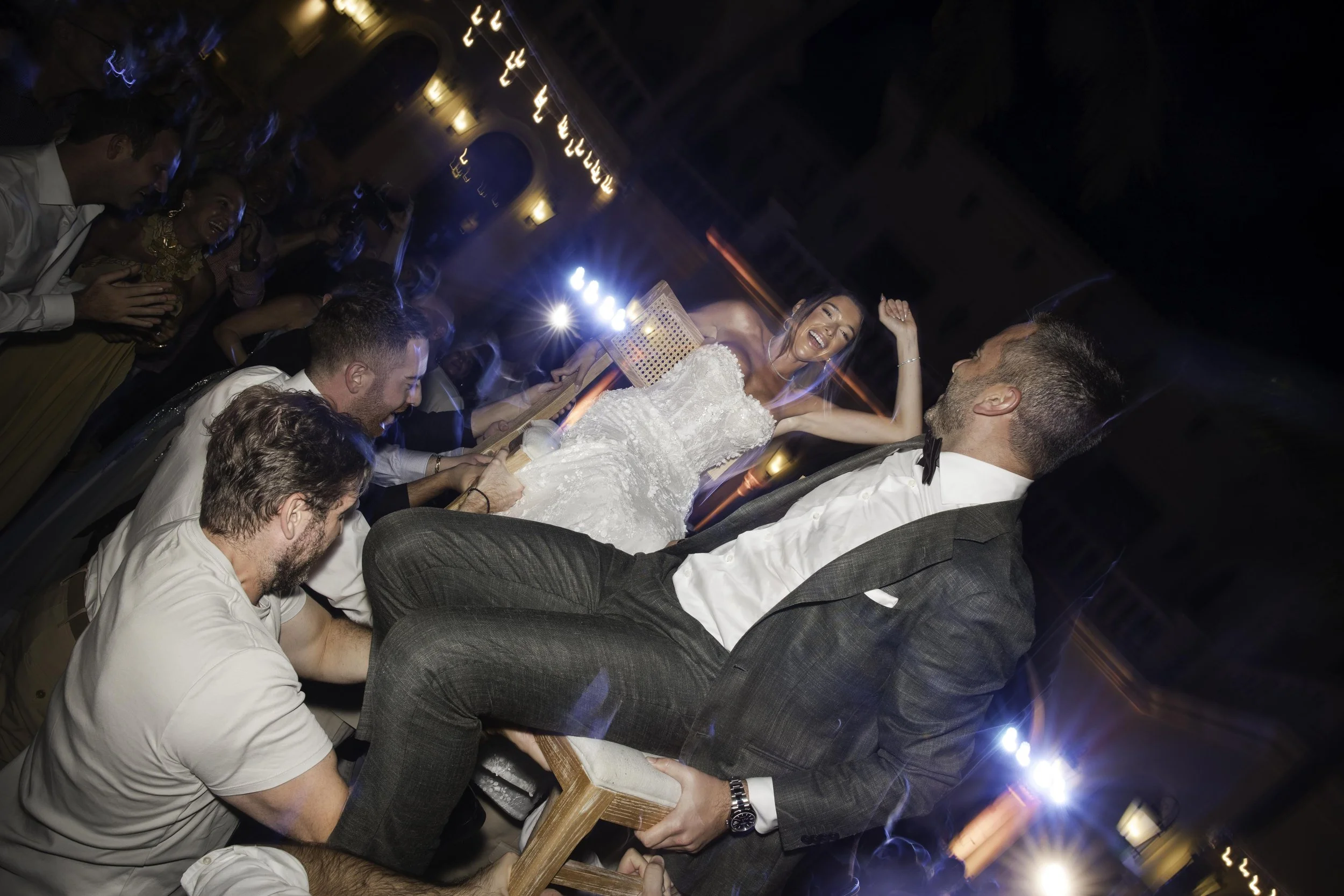
The Hora: Party Like No One is Watching
No Jewish destination wedding is complete without the Hora. I have seen some wild Horas in my time, but there is something special about doing it under the open sky with the Caribbean breeze cooling you down. The pool terrace at Villa La Joya is the ideal spot for the reception. It is spacious, paved (so chairs don’t sink into the grass while lifting you!), and surrounds a beautiful pool that reflects the party lights.
Safety is key here—lifting chairs on a dance floor can be precarious, so I always make sure to capture the action with a wide lens from a safe distance before getting into the mix for close-ups. The energy of the Hora is unmatched, and I love freezing those expressions of sheer terror and joy on the couple's faces as they are hoisted into the air. If you want to see how I capture these high-energy candid moments, check out my About page. It’s all about anticipating the chaos and finding the beauty in it.
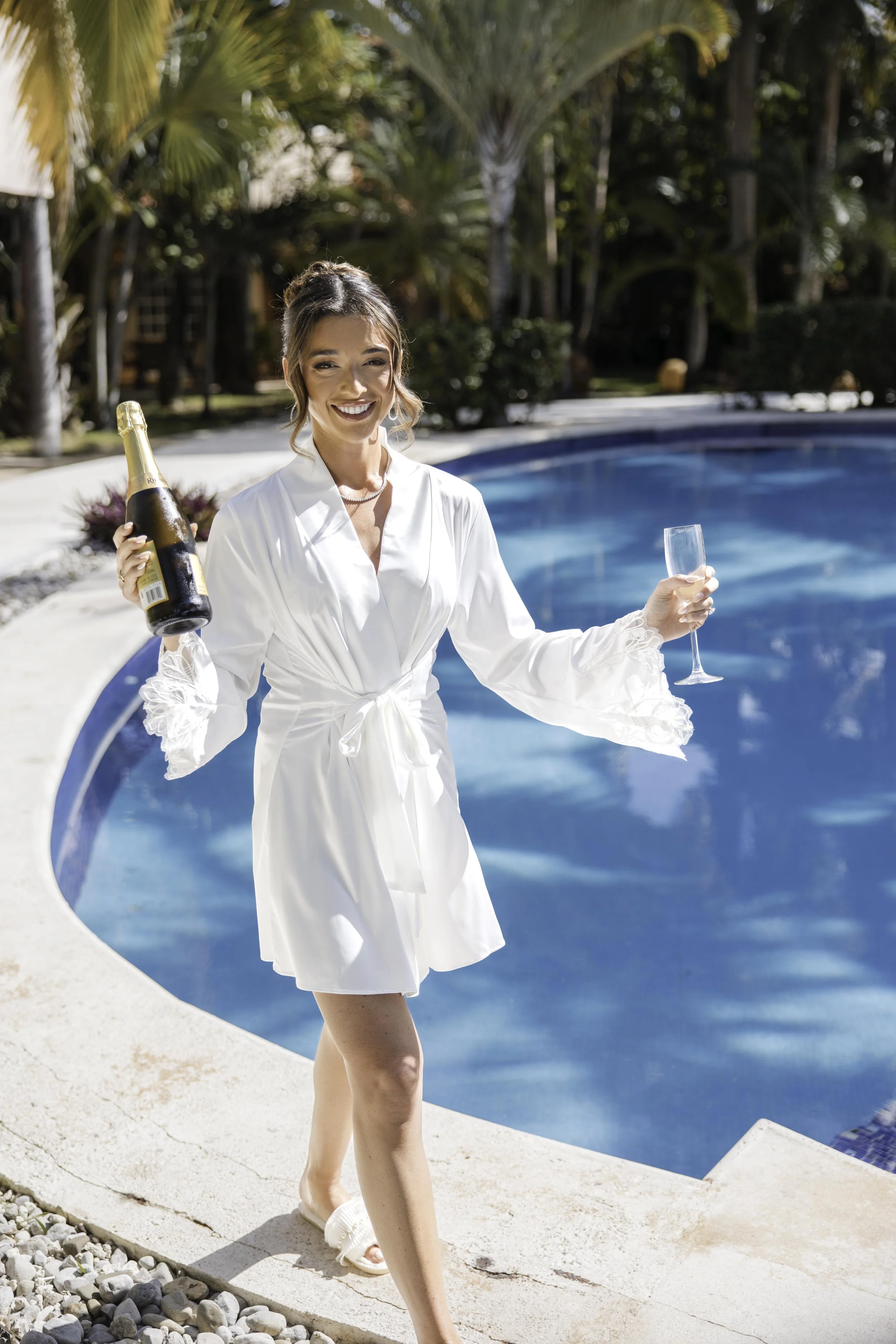
Bringing Tradition to Paradise
Your wedding should be a reflection of who you are, blending your rich heritage with the relaxed, tropical vibe you fell in love with. Villa La Joya offers the canvas to paint that picture exactly how you want it, without the red tape of a corporate resort. Whether you are Reform, Conservative, or Orthodox, you can create a day that feels sacred, personal, and incredibly fun.
If you are planning a Jewish wedding in the Riviera Maya and need a photographer who understands the flow of the bedeken, the importance of the chuppah, and how to stay out of the way during the Hora, I would love to be there for you.
Wedding Planner: @camelliadestinationweddings
Venue: @Villalajoya
Makeup & hair: @sandracarolinamakeup
Makeup & hair: @hellobeautymx
Catering: @chefcristianmorales
DJ: @robertfirth
Audio: @unoaudiovisualsdj
Live music: @musharpsentertainment
Sax: @michaelsaxtrumpet
Entertainment: @drumsinparadise
Florals & rentals: @anhexobodas
Dancefloor: @hercon.entertainment
Photobooth: @picme_photobooth

How to Handle "The Plus One" Conversation for Destination Weddings
Putting together a guest list is arguably the most stressful part of wedding planning, second only to perhaps the seating chart. But when you take your celebration international, the stakes get even higher. Suddenly, you aren't just buying someone a chicken dinner; you are asking them to book flights, take time off work, and pay for a resort stay. This naturally leads to the dreaded question: "Can I bring a guest?" The rules for a plus one in destination wedding scenarios are significantly different—and trickier—than local weddings. Guests often feel uncomfortable traveling alone, yet you are trying to keep your headcount (and budget) under control.
As a photographer, I see the impact of the guest list firsthand. I have shot intimate elopements with ten people where the emotion is palpable, and I have shot massive 200-person ragers where the bride spends half the night introducing herself to strangers. There is no right or wrong size for a wedding, but there is a right way to handle the invitation process. You want to be surrounded by your favorite people, not your cousin's boyfriend of two weeks who might photobomb your family portraits. Here is my honest advice on navigating the delicate balance of empathy and boundaries when it comes to plus ones.
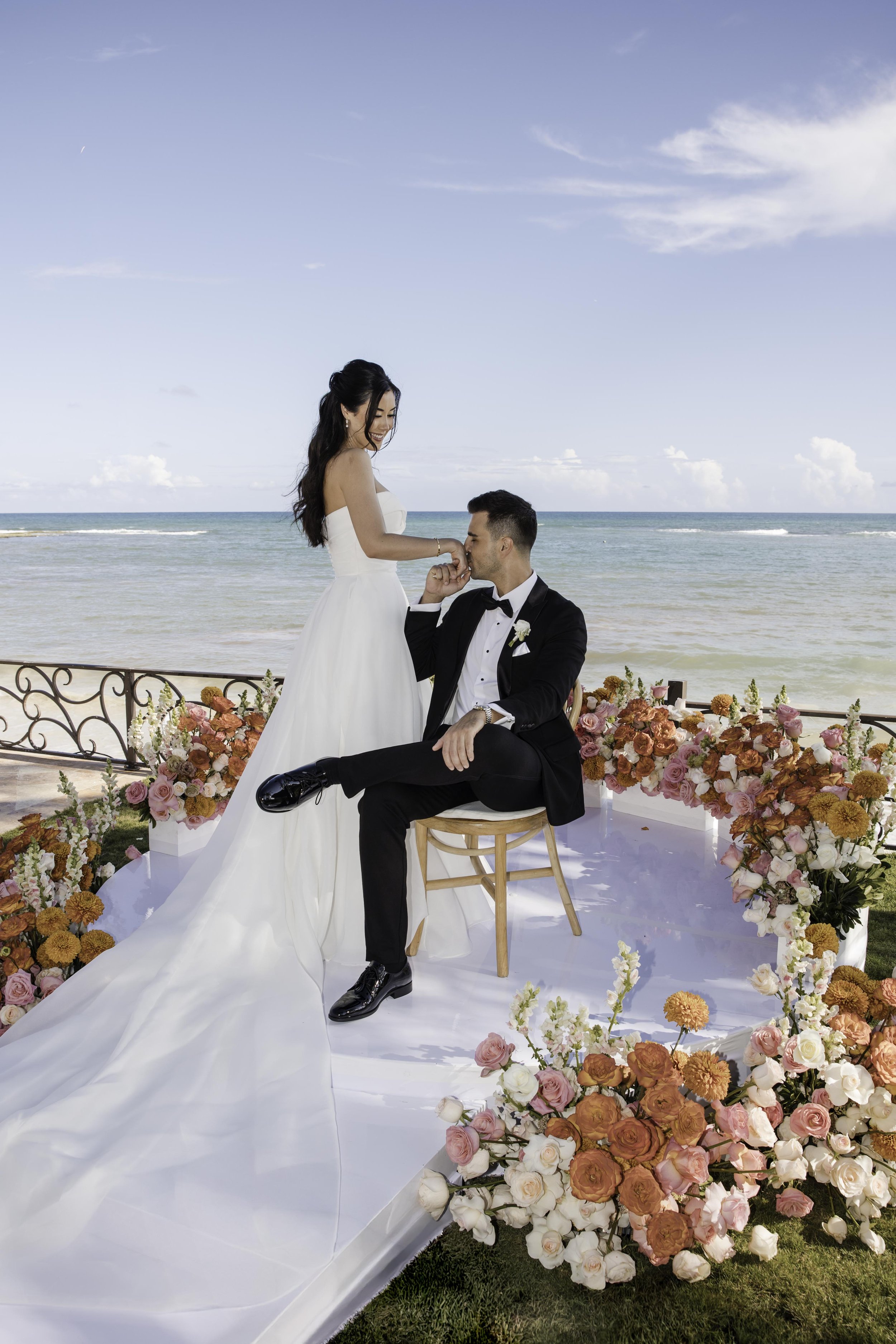
The "Travel Buddy" Dilemma
The biggest argument guests have for bringing a plus one to a destination wedding is simply the travel aspect. Flying to Mexico alone can be intimidating for some, and staying in a romantic resort room solo isn't everyone’s idea of a good time. It is important to validate these feelings. If you have a single friend who doesn't know anyone else at the wedding, expecting them to fly solo is a big ask. In these cases, offering a plus one is often a kindness that ensures your friend actually attends and enjoys themselves, rather than feeling isolated or unsafe during the trip.
However, there is a distinct difference between a "travel companion" and a "wedding guest." I have seen couples successfully navigate this by allowing the friend to bring a travel buddy to the resort, but clarifying that the wedding ceremony and reception are for invited guests only. The companion can enjoy the pool or spa during the wedding events. It sounds harsh, but it is a valid compromise if you are strictly limited by venue capacity. Most of the time, though, if someone travels all that way, they are usually included in the festivities, so you need to weigh the cost of that extra plate against the comfort of your close friend.
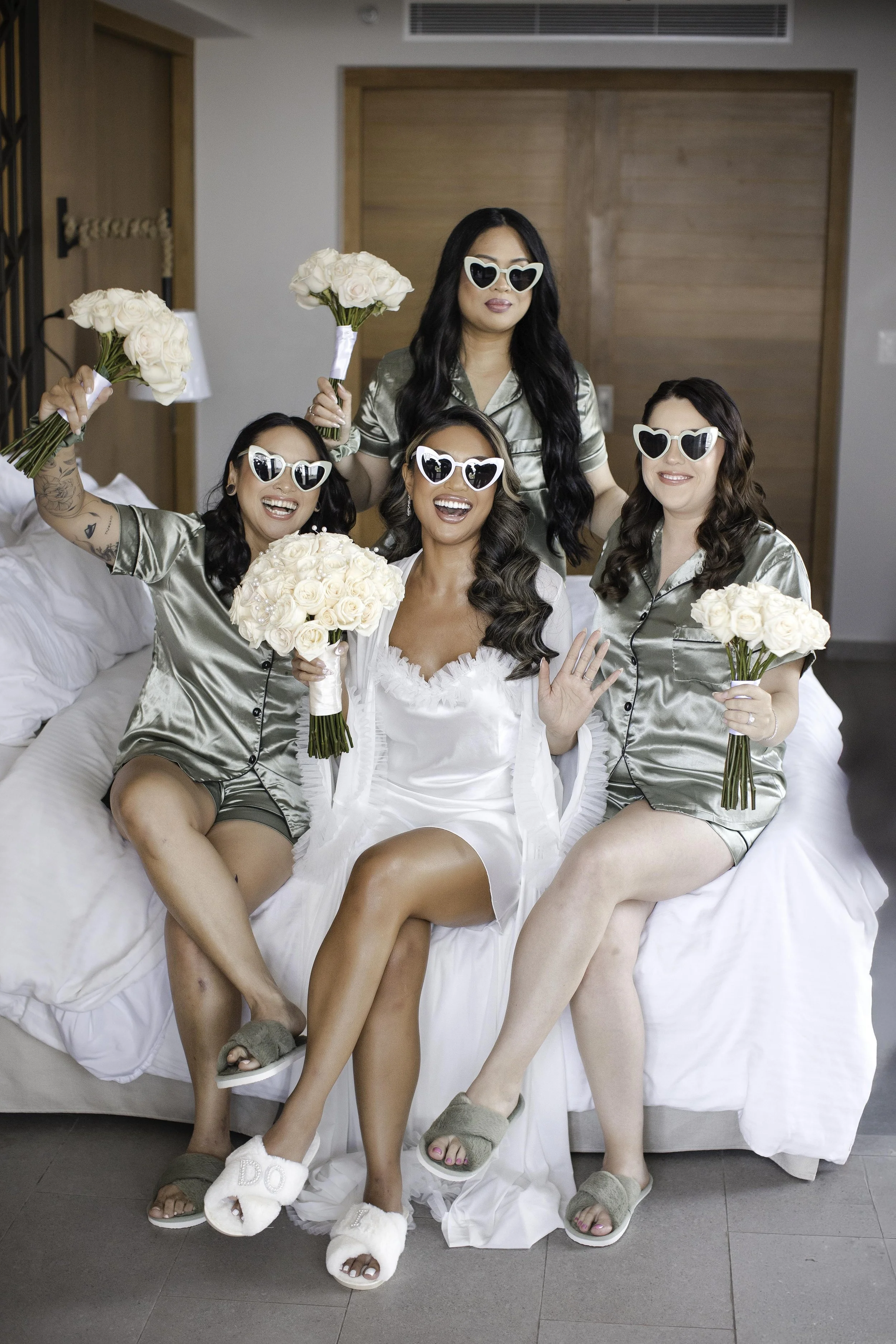
The "No Ring, No Bring" Rule in 2026
Traditionally, the "no ring, no bring" rule was the gold standard for trimming guest lists: if they aren't married or engaged, the partner doesn't get an invite. In 2026, this rule feels a bit antiquated. Many couples live together, buy homes, and have children long before (or without ever) getting married. Applying a strict traditional rule can accidentally offend a committed couple just because they don't have a marriage license. Instead of looking for a ring, look for the relationship's longevity and significance. If you have known the partner for years and they are a staple at your social gatherings, they should probably be on the list.
That said, you do need a cut-off point to avoid the "flavor of the month" guests. A solid modern rule of thumb is the "six-month" or "one-year" mark. If they have been dating less than a year, or if you have never met the partner, it is perfectly acceptable to leave them off the invitation. The Knot offers great etiquette advice on this, suggesting that consistency is key. Whatever rule you set, apply it to everyone equally. You can't let your sister bring her new boyfriend but tell your college roommate she can't bring hers; that is a recipe for drama that you don't need on your wedding day.
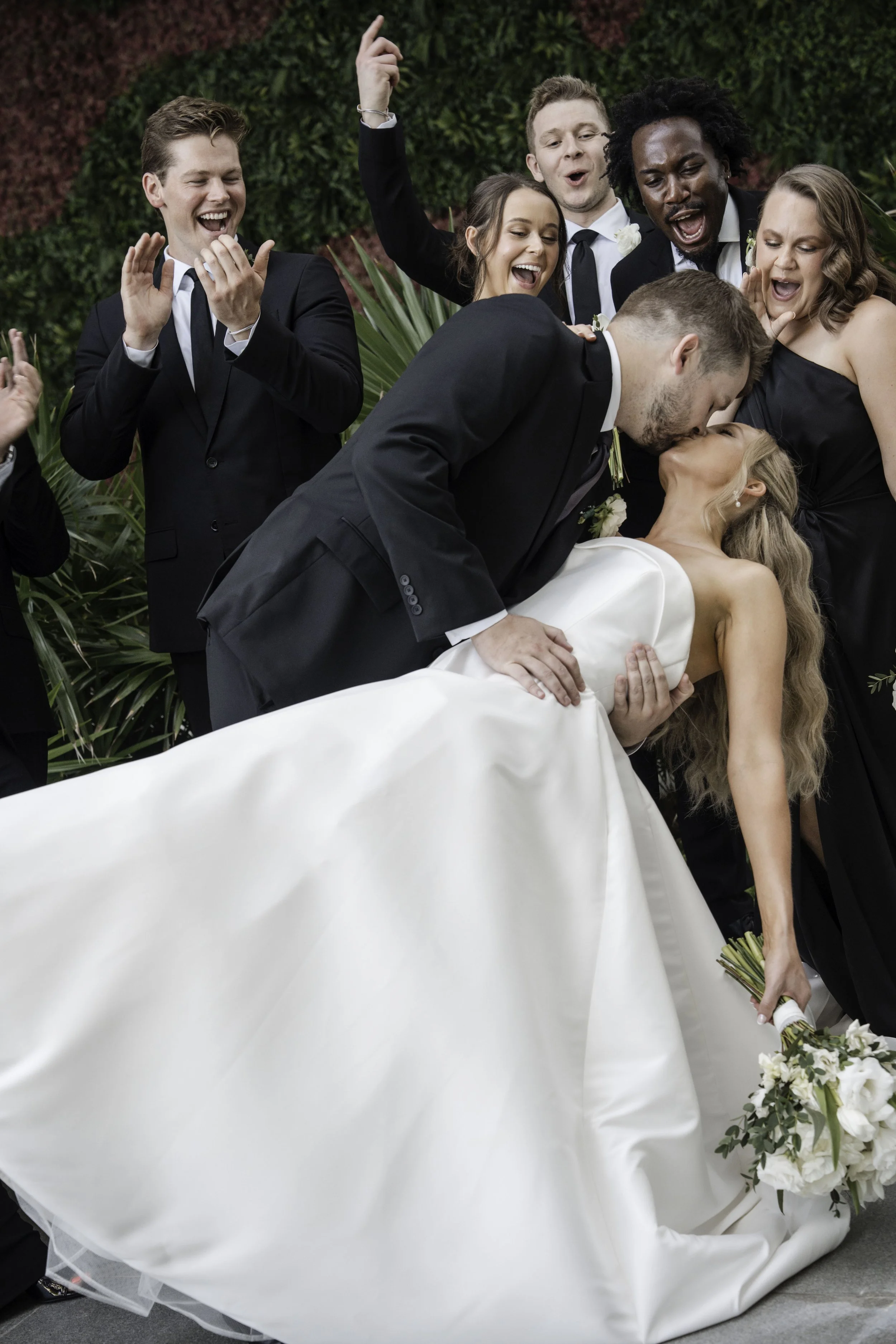
The Cost Factor: It’s Not Just Dinner
When you plan a local wedding, adding a guest might cost you $150 for a meal and drinks. At an all-inclusive resort in Mexico, the financial dynamics are different. Many resorts charge per-head fees for private events that go beyond just the food. You might be paying for the ceremony chair setup, the cocktail hour open bar, the reception dinner, and sometimes even a "guest pass" fee if the plus one isn't staying at the host resort. When you start doing the math, that random plus one could cost you significantly more than you anticipated, eating into the budget you set aside for things that last forever, like hiring a destination wedding photographer in Cancun.
It is okay to protect your budget. If you are paying for the wedding yourselves, you have every right to prioritize quality over quantity. I often tell couples that every stranger at your wedding is a deduction from your honeymoon fund or your photography package. When you view it that way, it becomes easier to say no. If a guest pushes back, you can be honest about the per-head limitations at the resort. Most rational people understand that destination weddings have strict caps on attendance due to the venue packages, and they won't take it personally if you explain it’s a numbers game, not a personal slight.
The Photography Perspective
From my side of the lens, the guest list drastically changes the vibe of the photos. When you look back at your wedding album in twenty years, do you want to see faces you don't recognize in the background of your first dance? Intimate weddings often yield the most emotional photos because everyone there is deeply invested in your story. When the room is filled with people who truly know and love you, the tears are real, the laughter is louder, and the guard comes down. A room full of strangers (or awkward plus ones who don't want to be there) can dilute that energy, leading to a stiff atmosphere that translates into the imagery.
There is also the matter of the dance floor. A plus one in destination wedding scenarios can sometimes be a wallflower. If they don't know anyone but their date, they tend to sit on the sidelines, or worse, they pull your actual friend off the dance floor to keep them company. I want to capture a packed dance floor with high energy. The best parties happen when the group is cohesive. If you are on the fence about a plus one, ask yourself: "Will this person add to the joy of the day, or are they just a placeholder?" My goal is to capture genuine connections, and that is always easier when the guest list is curated with intention. You can read more about my philosophy on capturing genuine moments on my About page.
Wording the Invitation
The best way to handle the plus one conversation is to preempt it with crystal-clear invitations. Ambiguity is your enemy here. If you address the envelope to "The Smith Family," it implies the kids and maybe a guest are invited. If you address it to "John Smith," it implies only John is invited. Be specific on the RSVP card as well. Using phrasing like "We have reserved 1 seat in your honor" makes it impossible for the guest to write in a plus one without blatantly ignoring your instructions. This saves you the awkwardness of having to call them later to clarify.
For destination weddings, your wedding website is your best friend. Create a robust FAQ section where you address this head-on. You can write something polite but firm, such as: "Due to the intimate nature of our destination wedding and venue capacity limits, we are unable to extend plus ones beyond those named on the invitation." Zola’s guide to wedding websites suggests framing it as a wish to keep the event intimate. This sets expectations early, so guests can decide if they want to make the trip solo before they even commit to the RSVP.

Dealing with Pushback
Even with perfect etiquette and clear invitations, you might get a text asking, "Can I bring my new boyfriend?" It happens. The key is to handle this gracefully but firmly. Do not apologize profusely; simply state the facts. "We would love to meet him, but unfortunately, our venue package is strictly capped, and we’re at maximum capacity." By blaming the venue or the budget, you remove the personal element. It’s not that you don't like their boyfriend; it’s that the resort literally won't let you add another chair.
Remember, this is your wedding. You are curating an experience for yourself and your closest loved ones. It is natural to feel guilty, but you are not responsible for managing everyone else's vacation. If a guest decides not to come because they can't bring a date, that is their choice, and you have to be okay with it. Focus on the people who are making the effort to be there for you. Those are the people I want to photograph you with—the ones who would fly across the world just to see you smile.

Let’s Plan Your Intimate Celebration
Whether you are planning a massive reunion or a select gathering of your nearest and dearest, navigating the guest list is just the first step. Once the people are chosen, the real fun begins: creating an unforgettable experience in paradise. I specialize in capturing the unique energy of destination weddings, ensuring that whoever makes the cut looks their absolute best in your gallery.
If you are looking for a photographer who understands the nuances of destination wedding dynamics and can help you navigate the planning process, I would love to connect. Let’s make your Mexican wedding unforgettable.

After the Sunset: Capturing Your Epic Destination Wedding Party in Mexico
We all know the script for a perfect wedding in Mexico. It starts with a mimosa-filled morning, moves to a tear-jerking ceremony under the palm trees, and transitions into golden hour portraits as the sun dips below the horizon. But what happens when the sun is gone? If you are like most of my couples, the ceremony is just the warm-up. You flew your friends and family thousands of miles not just to watch you say "I do," but to celebrate with a massive destination wedding party that lasts until the resort shuts you down.
As a photographer, I often see portfolios that are 90% natural light—bright, airy, and beautiful daytime shots. But if 50% of your wedding is happening after dark, you need to know your gallery won't turn into a grainy, blurry mess the moment the stars come out. I take huge pride in my night photography because that is when the real energy comes out. From the emotional speeches to the tequila shots on the dance floor, I want to ensure every moment is crisp, vibrant, and true to the vibe of your night. Here is how we make the magic happen after dark.
The Reality of "Low Light" Photography
When photographers talk about "low light," it often strikes fear into the hearts of brides who worry their reception photos will look like they were taken in a cave. The truth is, low light is where creativity thrives, provided you have the right equipment and know-how. Unlike the controlled environment of a studio, a beach reception is unpredictable. The moon might be hiding behind clouds, or the venue lighting might be dimmer than expected. This is where I rely on professional off-camera flash setups. By strategically placing lights around your reception area, I can illuminate the scene without killing the ambiance. We want to see your faces clearly, but we also want to retain the glow of the string lights and the moodiness of the evening.
This balance is crucial because simply blasting a flash directly at you creates that "deer in headlights" look that nobody wants. Instead, I use techniques that bounce and diffuse light, mimicking a more natural glow. This allows me to capture the background environment—the ocean waves, the architectural details of your venue, and the starry sky—while ensuring you look sharp and well-lit. It is about creating a three-dimensional feel to the images rather than a flat, washed-out snapshot.
Mastering the Sparkler Exit
The sparkler exit is a classic wedding tradition that has become a staple for destination weddings, but pulling it off on a windy beach requires some logistical finesse. Safety and timing are everything here. I always recommend doing the sparkler run before your guests have had too many margaritas—usually right after the speeches or the first dance is a great time. Visually, sparklers provide a stunning, warm light source that wraps around the couple, creating a romantic and exciting separation from the dark background. I shoot these with a specific lens aperture that turns the sparkles into beautiful, glowing bokeh balls, making the image feel magical and high-energy.
However, the key to a great sparkler photo isn't just the sparklers themselves; it is how we light you amidst the fire. If a photographer relies solely on the light from the sparklers, your faces will often end up orange and muddy. I mix the warm ambient light of the sparklers with a cool, crisp flash to ensure your skin tones look natural while the fire around you pops. Brides magazine offers some great safety tips for these exits, but from a photography standpoint, my main tip is to walk slowly. The slower you walk through the tunnel of light, the more chances I have to capture that perfect cheering shot and that cinematic kiss at the end.
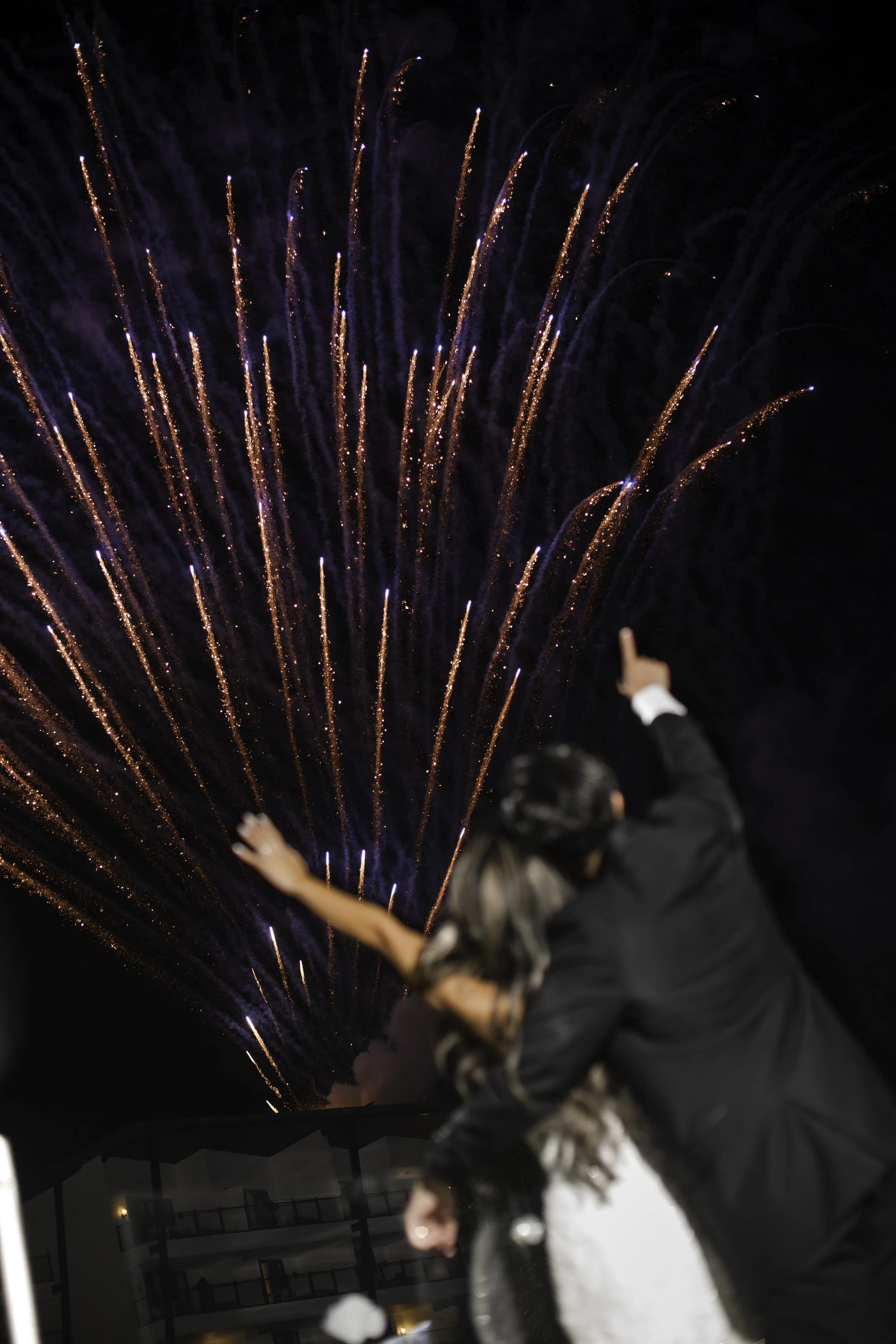
Fireworks and Cold Sparks
If you really want to elevate your destination wedding party, nothing screams "celebration" quite like a professional fireworks display or cold sparks during your first dance. Cold sparks—those fountains of sparks that shoot up from the floor—are safer and often permitted by resorts that ban traditional fireworks. Capturing these requires split-second timing. I need to know exactly when they are going off so I can adjust my camera settings before the trigger is pulled. Fireworks are incredibly bright compared to the dark sky, so I use a technique that exposes for the bright explosions while adding just enough fill light to ensure you and your partner aren't just silhouettes against the display.
The composition of these shots is equally important. I typically switch to a wide-angle lens to capture the full scale of the fireworks exploding over the ocean or the resort. This is one of those moments where hiring a local expert matters; having worked as a destination wedding photographer in Cancun for years, I know the layouts of these venues. I know where to stand to get the best angle that includes the fireworks, the venue architecture, and the couple, all in one epic frame. It is a high-pressure shot because there are no do-overs with fireworks, but when we nail it, it usually ends up being the cover photo of the wedding album.

The Dance Floor Energy
Once the formal events are done, the real party begins, and this is personally my favorite part of the night to shoot. A destination wedding dance floor has a unique energy; everyone is on vacation mode, the humidity is high, and the inhibitions are low. To capture this chaos beautifully, I use a technique called "dragging the shutter." This involves keeping the camera shutter open for a fraction of a second longer than usual while a flash freezes the subject. The result is a sharp image of you dancing, surrounded by cool streaks of light and motion blur from the background. It makes the photos look exactly how the party felt: fast-paced, colorful, and wild.
This is also where I get right into the middle of the action. I don't stand on the sidelines with a zoom lens; I am on the dance floor with you (camera safely strapped to my hand, of course). I want to capture the sweat, the singing, the tie tied around your head, and the group hugs. By being close to the action with a wide lens, the viewer feels like they are in the photo, not just looking at it. It captures the texture of the night. If you want to know more about my approach to capturing these candid, unposed moments, you can read more on my About page.
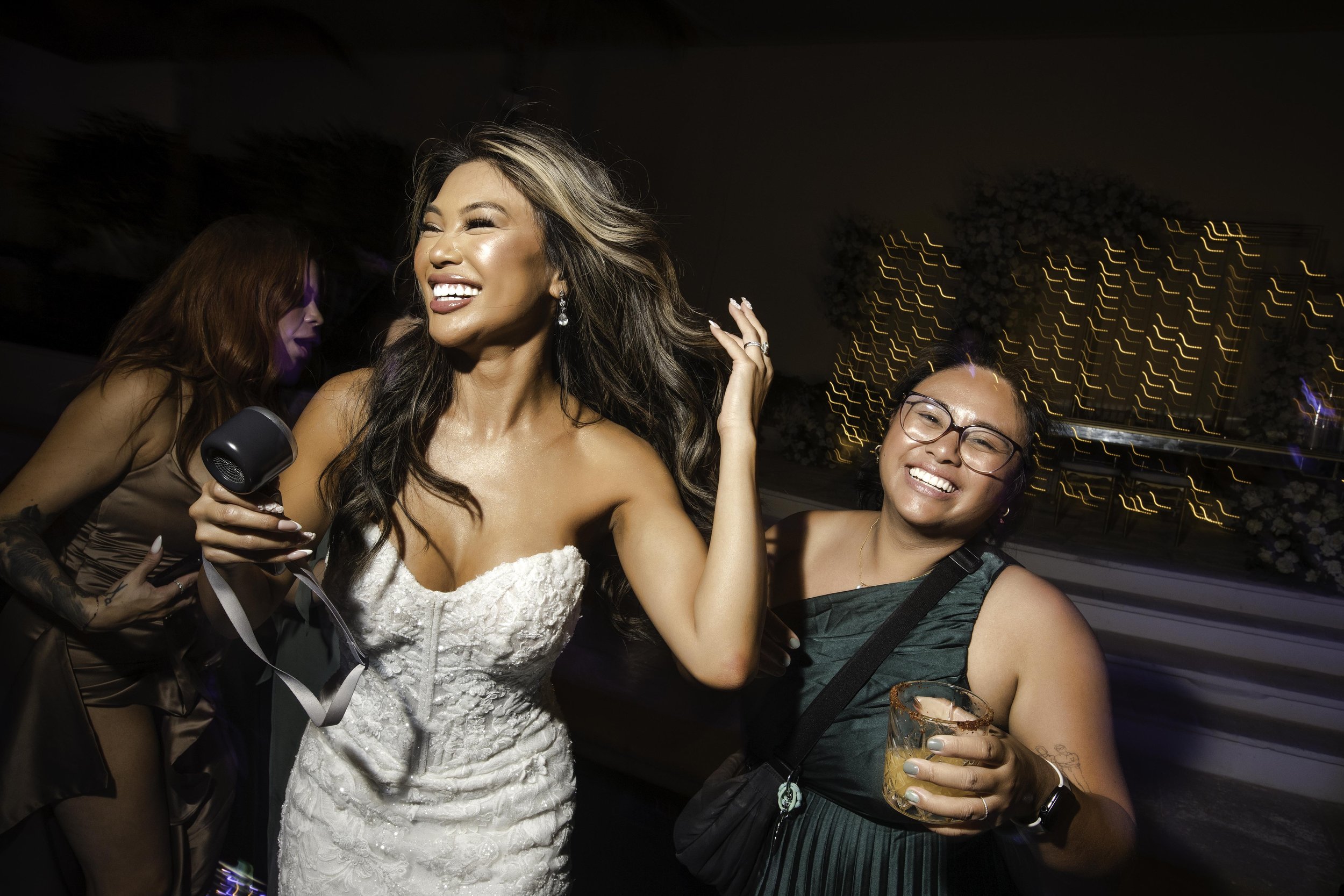
Why Experience Matters in the Dark
Shooting in the dark is the ultimate stress test for photography gear and skills. Autofocus systems struggle when there is no contrast, and cheap lenses can't handle the lack of light. Furthermore, the environment in Mexico adds another layer of difficulty: humidity. At night, as the temperature drops, condensation can form on lenses instantly if the photographer isn't careful. I bring specialized equipment designed to handle difficult lighting conditions and weather. I know how to focus manually when it’s pitch black and how to troubleshoot on the fly so that we never miss a moment of the action.
Beyond the gear, experience teaches you anticipation. In low light, you can't just "spray and pray" (hold the button down and hope for a good shot) because flashes need time to recycle power. I have to anticipate the peak of the action—the drop of the beat, the dip in the dance, the clinking of glasses. It is about quality over quantity. An experienced photographer knows how to read the room and lighting conditions, such as the mixed color temperatures from DJ lights. If you are curious about how weather patterns might affect your outdoor reception, The Weather Channel's historical data is a good resource, but rest assured, I am prepared for it all.

Let's Light Up Your Night
Your wedding doesn't end when the sun goes down, and your photography coverage shouldn't dip in quality either. You deserve a gallery that tells the full story of your day, from the quiet morning anticipation to the raucous, joy-filled celebration under the stars. Whether it’s a romantic sparkler exit or a crowded dance floor, I am there to capture the vibe exactly as you remember it—bright, bold, and full of life.
If you are planning a destination wedding party in Mexico and want to ensure your night photos are just as epic as your day photos, I would love to hear from you. Let’s chat about your venue, your vision, and how we can create some magic together.

Why an Unplugged Ceremony is the Best Decision for Your Destination Wedding
I’m Evan Whitney from Arch Wedding Studio, and I want you to imagine the following with me: you are standing at the start of the aisle, the music swells, and you take that first step toward the love of your life. You look out at the chairs lined up on the white sand, hoping to see the smiling, teary-eyed faces of your closest friends and family. Instead, you are met with a wall of raised arms, black plastic cases, and camera lenses. You aren't making eye contact with your grandmother; you're making eye contact with the Apple logo on the back of her iPad.
This is a scenario I see play out far too often. We live in a digital world where our first instinct is to document everything, but your wedding ceremony is the one moment where that instinct needs to be paused. As a photographer who is passionate about capturing real emotion, I am a huge advocate for the unplugged ceremony. It isn't about being strict or controlling; it is about reclaiming the intimacy of the moment. Today, I want to explain why asking your guests to put their phones away is the greatest gift you can give to them, to me, and most importantly, to yourselves.
The "Wall of Screens" vs. Professional Photos
From a purely visual standpoint, cell phones are the biggest obstacle to getting those breathtaking, clean aisle photos you see on Pinterest. When guests lean into the aisle to get "the shot" with their phones, they unknowingly block my angles and clutter the frame. I have seen countless key moments—the groom’s reaction, the father giving away the bride, the first kiss—compromised because a well-meaning guest thrust a phone right in front of my lens at the critical second. It turns a timeless, artistic image into a snapshot of people taking snapshots.
Beyond just blocking the view, screens ruin the lighting and the ambiance of your professional photos. In a dimly lit chapel or during a sunset ceremony, the harsh blue glow of a smartphone screen illuminates faces in a ghostly, unflattering way. It pulls the viewer's eye away from the couple and straight to the bright light in the crowd. When you hire a professional Cancun destination wedding photographer, you are investing in high-quality artistry. An unplugged rule ensures that your final gallery is filled with the joyful faces of your loved ones, not a sea of devices.
Guest Experience
There is a profound psychological difference between witnessing a moment with your own eyes and watching it through a 6-inch screen. When a guest is focused on framing a video, zooming in, or checking if they are recording, they are not fully present. They shift from being a participant in a sacred event to being a content creator. Research on the psychology of photography suggests that taking photos can actually impair our memory of the event, as we outsource the memory to the device rather than feeling it in the moment.
When you ask guests to unplug, the energy in the space shifts immediately. I can feel it. People sit up straighter, they listen more tailored to the vows, and they engage emotionally with what is happening right in front of them. When you look out at your audience during the ceremony, you want to connect with them. You want to see their smiles, their tears, and their reactions, not the tops of their heads as they look down at their screens. An unplugged ceremony invites your community to truly witness your union, creating a shared emotional experience that is far more powerful than any Instagram story.

Trust the Pro (That’s Me!)
One of the main reasons guests feel the urge to pull out their phones is a fear that the moment will be lost if they don't capture it. They want to preserve the memory for you. But this is exactly why you hired me. My entire job, and the reason I love what I do, is to ensure that no glance, no tear, and no laugh goes undocumented. I have the professional gear, the fast lenses, and the anticipation to capture these split-second moments infinitely better than a shaky cell phone video ever could.
By telling your guests to put their devices away, you are essentially telling them: "We have this covered. Relax and enjoy the show." You can promise them that you will share the professional photos with them as soon as you get them. This relieves them of the "duty" to document. When guests trust that the professional photographer is capturing the main event, they can relax into their role as guests. They can hold their partner's hand instead of their phone, and they can clap loudly when you kiss instead of fumbling to hit the "stop record" button.

How to Politely "Enforce" the Rule
Many couples worry that asking for an unplugged ceremony will seem rude or "bridezilla-ish," but it all comes down to how you communicate it. Most guests are happy to comply if they know your reasoning. The best approach is a combination of a cute, clear sign at the entrance to the ceremony area and a verbal announcement from your officiant before the processional begins. The officiant has the authority to command the room. A simple script like, "The couple invites you to be fully present with them today and asks that you please turn off all cell phones and cameras," works wonders. For inspiration, there are many unplugged wedding wording ideas available that range from funny to formal.
If you are worried about guests feeling deprived of their photo ops, try the "Social Media Minute." This is a fantastic compromise I’ve seen work beautifully. Once you are at the altar, the officiant pauses and says, "Okay everyone, take out your phones! You have 60 seconds to take the best photo you can of the couple." You pose, everyone gets their shot to post on social media, and then the officiant says, "Great, now please put them away for the rest of the ceremony." It satisfies the itch to snap a photo while ensuring the vows and the ring exchange remain intimate and distraction-free.
Your destination wedding is a once-in-a-lifetime journey. You deserve to look out at your ceremony and see the people you traveled so far to be with, fully present and sharing in your joy.
If you are looking for a photographer who values real connection and timeless images, I would love to hear from you.