

Explore the enchanting world of destination weddings through the lens of a Cancun, Playa del Carmen, and Tulum wedding photographer. Dive into captivating wedding stories and discover invaluable tips for couples planning their dream weddings in the breathtaking Riviera Maya. Get inspired and informed for your own special day.
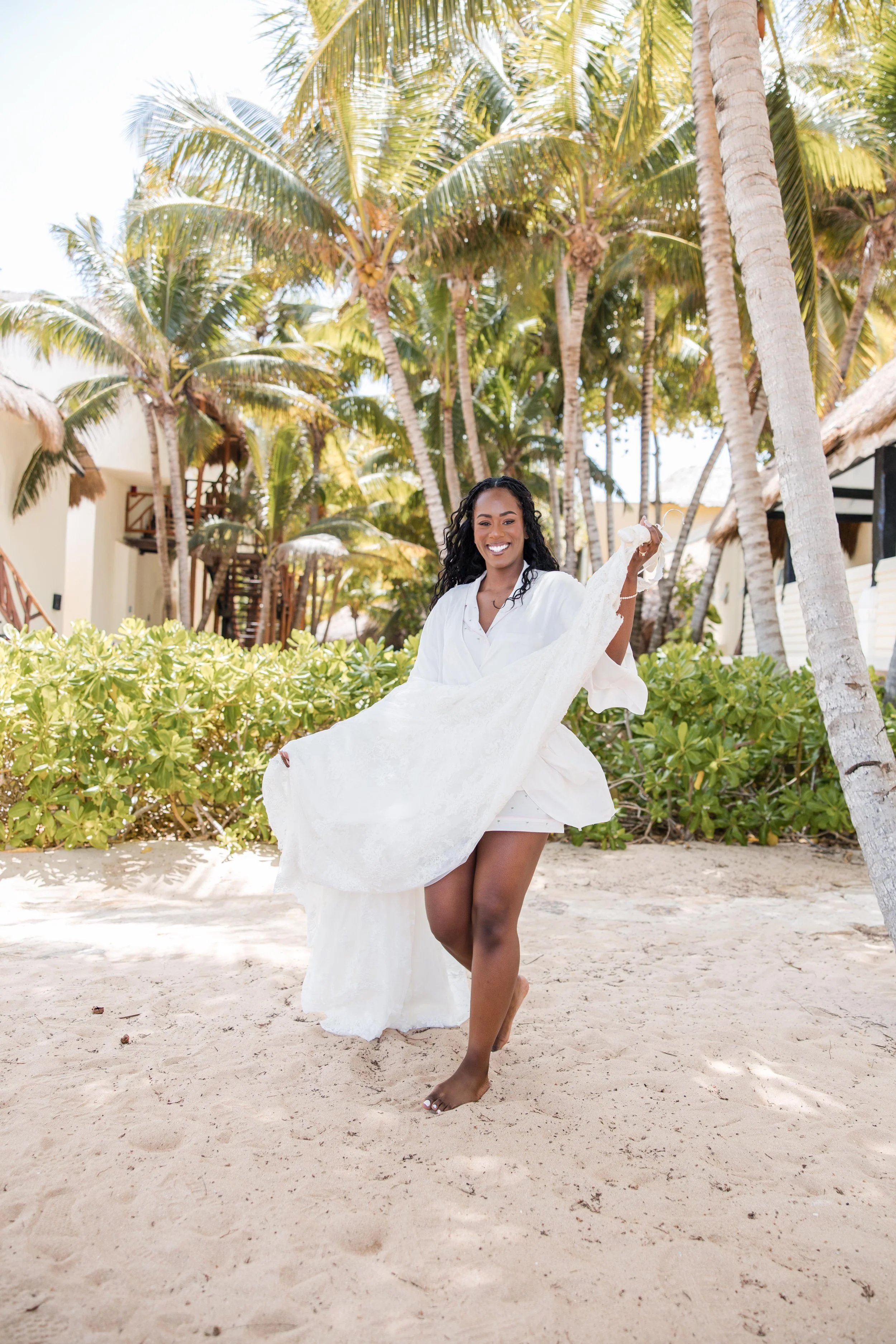
What to Do If Your Wedding Dress Gets Dirty or Wrinkled on the Beach
I have photographed hundreds of beach weddings across Cancun, Riviera Maya, Tulum, Playa Del Carmen, and Los Cabos. And I can tell you this: sand, salt water, and humidity will test your dress before you even walk down the aisle. I have seen brides panic when a wave splashes the hem or when their train drags through wet sand. But here is the good news: most problems are fixable if you know what to do. In this guide, I will share exactly what to do if your wedding dress gets dirty on the beach, including prevention tips and quick fixes that actually work.
How to Keep Your Dress Clean and Wrinkle-Free Before the Ceremony
Beach wedding dress care starts long before you step onto the sand. A little planning goes a long way.
Choose the Right Fabric
Lightweight fabrics like chiffon, organza, and crepe are your best friends. They dry fast, resist wrinkles, and sand falls off easily. Heavy satin or ball gowns? They trap sand and salt water, and they can feel like a wet blanket by the end of the ceremony. If you are set on a heavier dress, at least consider a shorter train or a bustle that lifts the skirt off the ground.
Transportation and Storage Tips
Your dress should travel in a garment bag, not folded in a suitcase. Hang it in the bathroom while you shower so the steam relaxes any creases. If you are flying into Cancun, ask your hotel if they have a steamer available. Many resorts in Riviera Maya offer this for free. Also, keep the dress away from direct sunlight before the ceremony. UV rays can yellow white fabric over a few hours.
Quick Fixes for Sand and Salt Water Stains
Even with the best prevention, things happen. Here is how to handle the most common beach dress emergencies.
Emergency Wedding Dress Cleaning on the Spot
If your hem gets wet with salt water, do not rub it. Rubbing grinds the salt crystals deeper into the fibers. Instead, blot the area with a clean white towel. For sand, let it dry completely first, then gently brush it off with a soft brush or even your hand. If the dress is still damp, sand will stick like glue. A little trick: use baby powder on dry sand spots. Sprinkle it on, let it sit for a minute, then brush away. The powder lifts the sand without moisture.
How to Fix Wrinkled Wedding Dress Fast
Wrinkles happen when your dress sits in a suitcase or gets bunched up during travel. The best tool is a handheld steamer. But if you do not have one, hang the dress in the bathroom and run a hot shower. Close the door and let the steam work for 15 minutes. For stubborn creases, use a spray bottle with a mix of water and a tiny drop of fabric softener. Lightly mist the wrinkled area and smooth it with your hand. Test on a hidden spot first.
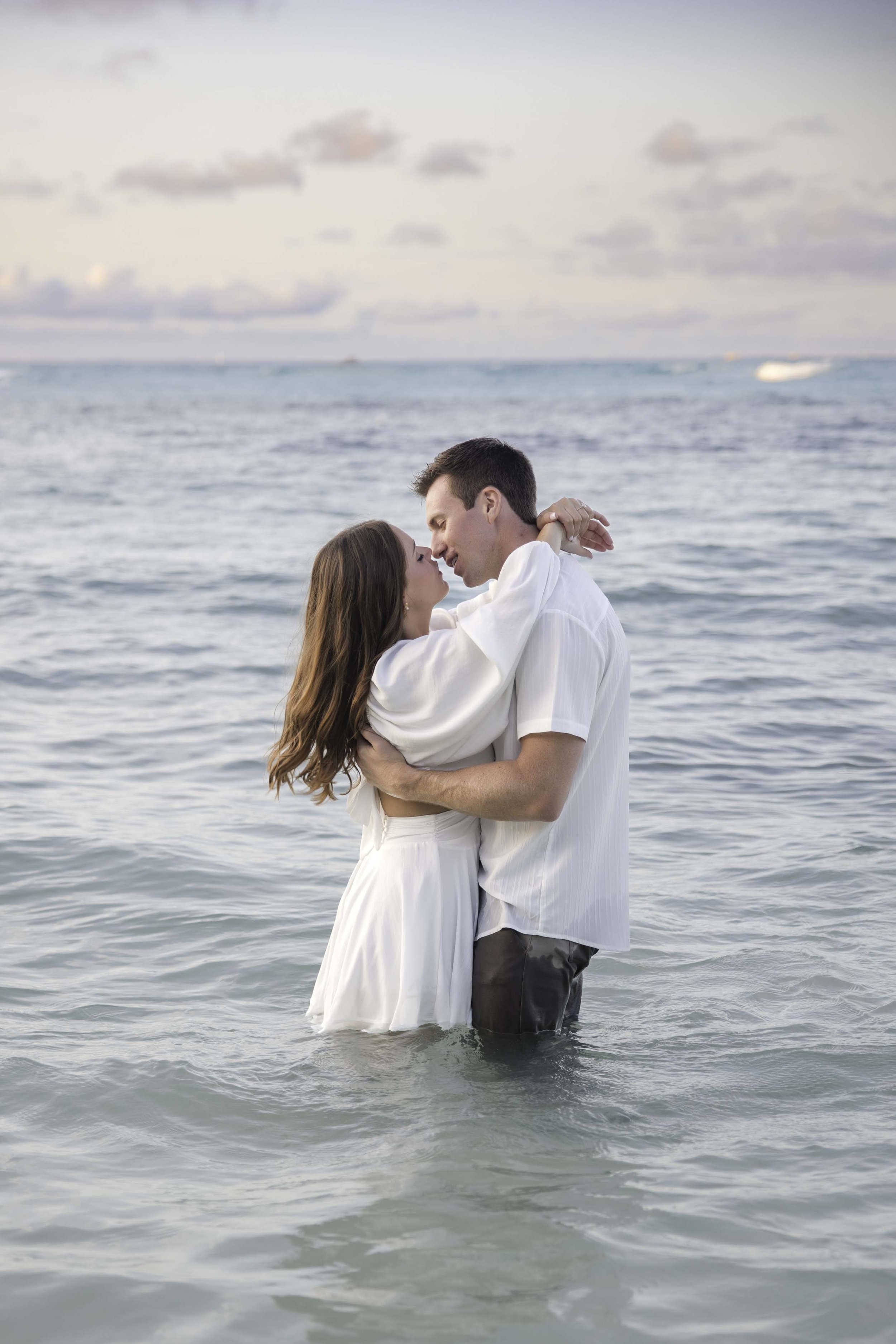
What to Do After the Ceremony
Your dress survived the beach. Now it needs proper attention. Do not shove it in a bag and forget about it. Salt and sand can cause permanent damage if left on the fabric. As soon as you can, take the dress to a professional cleaner who specializes in wedding gowns. Many cleaners in Cancun and Playa Del Carmen offer wedding dress cleaning for beach ceremonies. They know how to remove salt residue and sand without harming delicate lace or beading.
If you are heading home after the wedding, pack the dress in a breathable garment bag. Avoid plastic dry cleaning bags because they trap moisture and can cause yellowing. For long-term storage, consider a preservation box. Some cleaners offer that service.
For more tips on keeping your dress photo ready, check out my guide on how to look gorgeous in your beach wedding photos even when it is windy. And if you are still planning your big day, my destination wedding photographer services cover everything from getting ready to the last dance.

Frequently Asked Questions
Can I use baby powder to get sand off my dress?
Yes, baby powder works great on dry sand. Sprinkle a small amount on the sandy area, let it sit for a minute, then brush it off gently. The powder absorbs moisture and helps the sand fall away. Just make sure the dress is completely dry first, or you will end up with a paste.
How do I prevent my dress from getting wrinkled in my suitcase?
Never fold your dress. Use a garment bag and hang it in the car or plane closet. If you must pack it, roll it loosely with tissue paper between layers. When you arrive, hang it up immediately and use the bathroom steam trick I mentioned above. Many hotels in Tulum and Los Cabos have steamers you can borrow.
Should I bring a backup dress for the beach?
It is not necessary, but many brides choose a shorter reception dress for dancing on the sand. If your ceremony dress is heavy or has a long train, a lighter second dress can save you stress. I have seen brides change into a simple white sundress for the reception and it looks amazing in photos. Check out my wedding photography services for ideas on how to style both looks.
After the wedding, do not forget to follow a post-beach wedding dress care checklist to keep your gown in perfect condition for years to come.
Planning a beach wedding in Mexico? I would love to help you capture every moment. I specialize in natural, candid photography that shows the real emotion of your day. Whether you are getting married on the white sands of Tulum or the cliffs of Cabo, I know exactly how to work with the light, the wind, and the waves. Visit archweddingstudio.com to see my portfolio and get in touch. Let us make your beach wedding unforgettable.
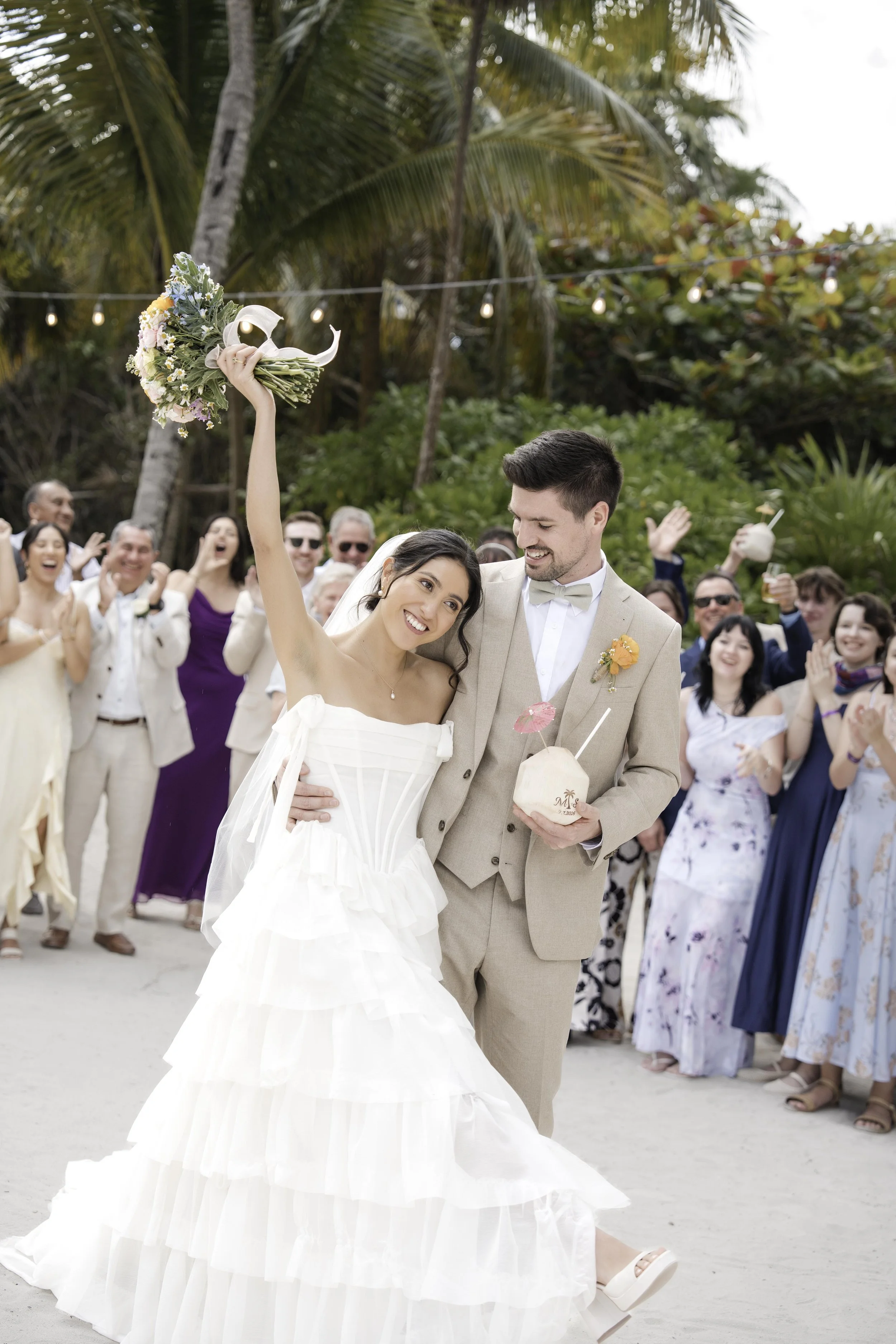
How to Handle Language Barriers with Your Destination Wedding Vendors in Mexico
Planning a destination wedding in Mexico is a dream. Turquoise water, warm sand, incredible food. But if you don’t speak Spanish, the idea of language barriers with destination wedding vendors in Mexico can feel overwhelming. You want your vision to come through clearly, but you’re not sure how to explain your bouquet style to a florist in Cancun or negotiate a timeline with a caterer in Tulum. I’ve been photographing weddings across Mexico for years, and I’ve seen couples handle this in smart ways and in stressful ways. Here’s my practical advice on bridging those gaps so your wedding day feels seamless and your vendors truly get what you want.
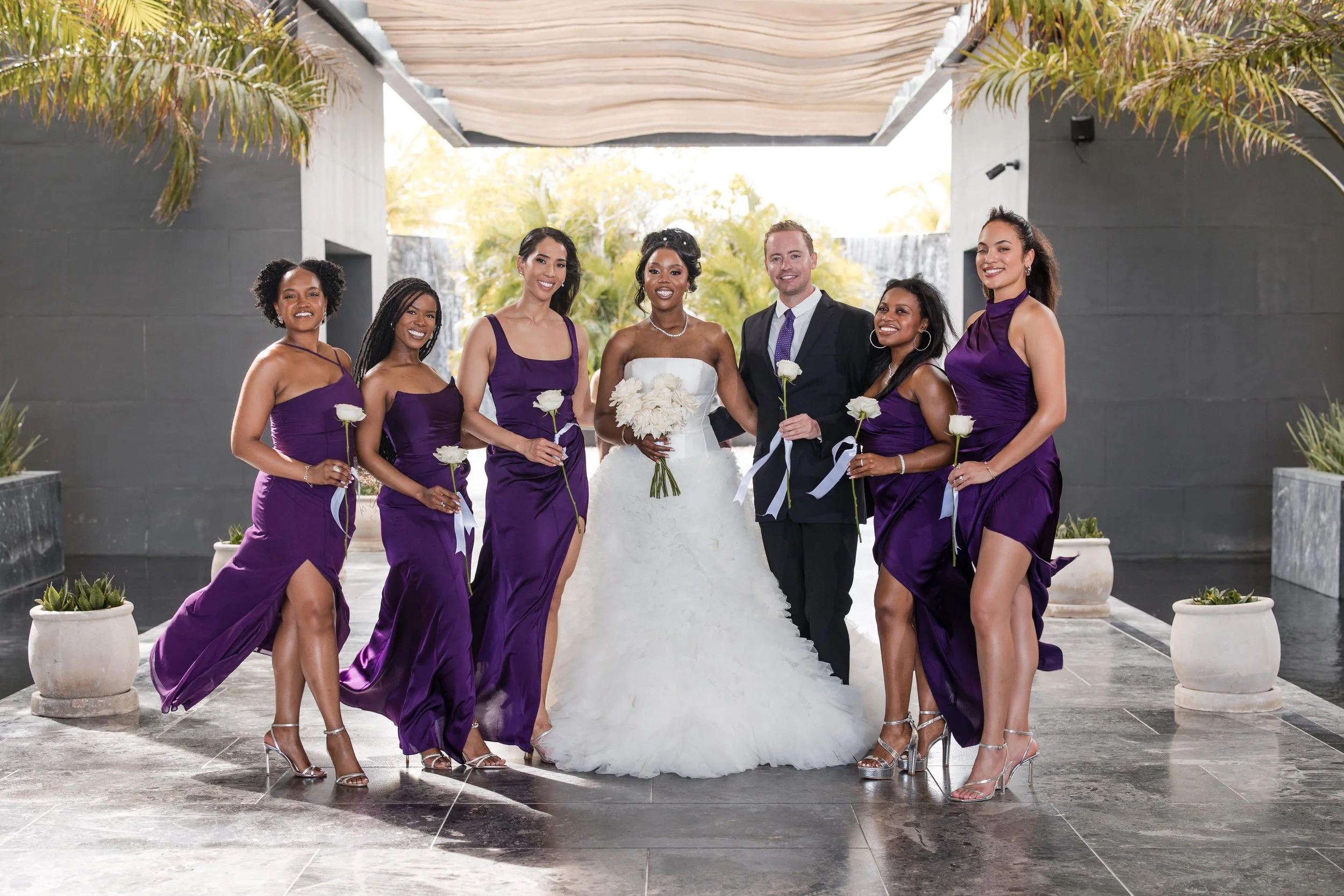
Why Communicating with Mexican Wedding Vendors Can Feel Tricky (And Why It’s Worth It)
When you’re used to planning everything in English, suddenly switching to a different language for every vendor conversation adds a layer of uncertainty. But communicating with Mexican wedding vendors doesn’t have to be a headache. Most vendors in popular wedding destinations like Riviera Maya, Los Cabos, and Playa del Carmen have worked with international couples for years. They’re used to broken Spanish, hand gestures, and Google Translate. More importantly, they want to make your day beautiful. The key is to set up systems that reduce misunderstandings before they happen.
Cultural Differences Go Beyond Words
It’s not just the language. Mexican vendors often have a different approach to time, contracts, and customer service. For example, “mañana” doesn’t always mean “tomorrow” in the literal sense. It can mean “soon” or “later this week.” Understanding these nuances helps you adjust your expectations without getting frustrated. If you’re used to instant replies, you’ll need to build in extra lead time. That’s part of the charm of planning a wedding in Mexico.
The Role of Your Wedding Planner
A bilingual wedding planner who knows the local market is worth their weight in gold. They can translate, negotiate, and manage timelines so you don’t have to. If your budget allows, invest in a planner who specializes in destination wedding language tips and has strong relationships with local vendors. I’ve seen couples who tried to coordinate everything from the US without a planner end up with mismatched flowers and late arrivals. A good planner prevents that.
My Top Destination Wedding Language Tips for Bridging the Gap
Over the years I’ve picked up a handful of strategies that work every time. These destination wedding language tips will save you from the most common miscommunications.
Use Visual Reference Boards
Words can get lost in translation, but images don’t. Create a Pinterest board or a simple PDF with photos of the exact flower arrangement, table setting, or cake design you want. Share it with your florist, caterer, and decorator. When you combine a photo with a few simple English or Spanish captions, everyone gets the idea. I always tell my couples to send me their inspiration photos too, so I know exactly what mood they’re going for. It makes my job easier and your photos better.
Learn 10 Key Spanish Phrases
You don’t need to be fluent. Just knowing a handful of phrases shows respect and builds rapport. Practice these before your site visit: “Me gusta” (I like it), “No me gusta” (I don’t like it), “Más grande” (bigger), “Más pequeño” (smaller), “El color es perfecto” (the color is perfect), “Gracias por tu trabajo” (thank you for your work). Vendors appreciate the effort, and it often leads to better service.
Confirm Everything in Writing
After every phone call or in-person meeting, send a follow-up email summarizing what you discussed. Even if the vendor doesn’t speak English perfectly, a written record helps avoid “I thought you said…” moments. Use bullet points. Keep it simple. Ask them to reply with “confirmed” or “correcto.” This one habit has saved countless couples from flower fiascos.
Tools and Tactics for Hiring Local Vendors in Mexico Without the Stress
Hiring local vendors in Mexico is a fantastic way to get authentic, high-quality services at a better price than importing everything from home. But you need the right tools to make it work.
Use a Translation App Strategically
Google Translate is fine for basic words, but for complex conversations about contracts or pricing, use a dedicated translation service or hire an interpreter for important meetings. Some couples bring a bilingual friend or family member to the site visit. That works too. Just make sure that person understands wedding terminology.
Ask for Referrals from Your Photographer
As a photographer who works with dozens of local vendors every season, I can tell you who communicates well and who doesn’t. When you book with Arch Wedding Studio, I’ll share my list of trusted florists, caterers, and planners who are used to working with English-speaking couples. It’s one of the biggest perks of hiring a local destination wedding photographer who knows the scene.
Check Reviews from Other International Couples
Look for reviews specifically from couples who planned from abroad. They’ll mention how easy or hard it was to communicate. If a vendor has a lot of glowing reviews from English speakers, they’re probably comfortable with the language barrier. If all reviews are in Spanish, you might need to work a little harder, but it’s still doable.
For a deeper look at the legal and logistical side of hiring local vendors in Mexico, check out this guide on hiring wedding vendors in Mexico from another country. It covers contracts, deposits, and what to watch out for.
What I’ve Learned from Photographing Weddings Across Mexico
I’ve shot weddings in Cancun, Tulum, Los Cabos, and everywhere in between. The couples who handle language barriers best are the ones who stay calm, prepare ahead, and trust their vendor team. I remember one wedding in Playa del Carmen where the bride and florist couldn’t speak a word of each other’s language, but they spent an hour together with a tablet showing flower photos and pointing. The result was stunning. The bride later told me it was one of her favorite memories from the planning process.
If you’re worried about your wedding photos, don’t be. I’ve learned to capture the real moments, not just the posed ones. When you’re laughing with your Mexican caterer over a shared joke, even if you’re using hand signals, that’s the kind of authentic moment I love to photograph. You can see examples in my portfolio and about page where I share stories from real weddings.
Another resource I recommend is this article on how to choose a wedding photographer for your destination wedding in Mexico. It covers what to look for in a photographer who understands the local environment and vendor relationships.
Frequently Asked Questions
Do I need to speak Spanish to work with vendors in Mexico?
No, but learning a few basic phrases helps a lot. Many vendors in tourist areas speak some English, and you can always use translation tools or hire a bilingual planner.
What’s the best way to avoid miscommunication with Mexican vendors?
Use visual references like photos and mood boards, confirm everything in writing after meetings, and work with a trusted wedding planner or photographer who can recommend reliable vendors.
Can I trust online reviews when hiring local vendors in Mexico?
Yes, but look for reviews from international couples. They’ll give you a realistic picture of how easy the vendor is to communicate with from abroad.
Planning a destination wedding in Mexico should be exciting, not stressful. When you handle language barriers with a little preparation and the right team, everything falls into place. At Arch Wedding Studio, I specialize in destination wedding photography across Cancun, Riviera Maya, Tulum, Playa del Carmen, and Los Cabos. I’ve worked with hundreds of local vendors and know exactly how to help you navigate the process. If you’re dreaming of a wedding in Mexico and want photos that tell your story, let’s talk. Visit my website to see my work and get in touch. I’d love to be part of your adventure.
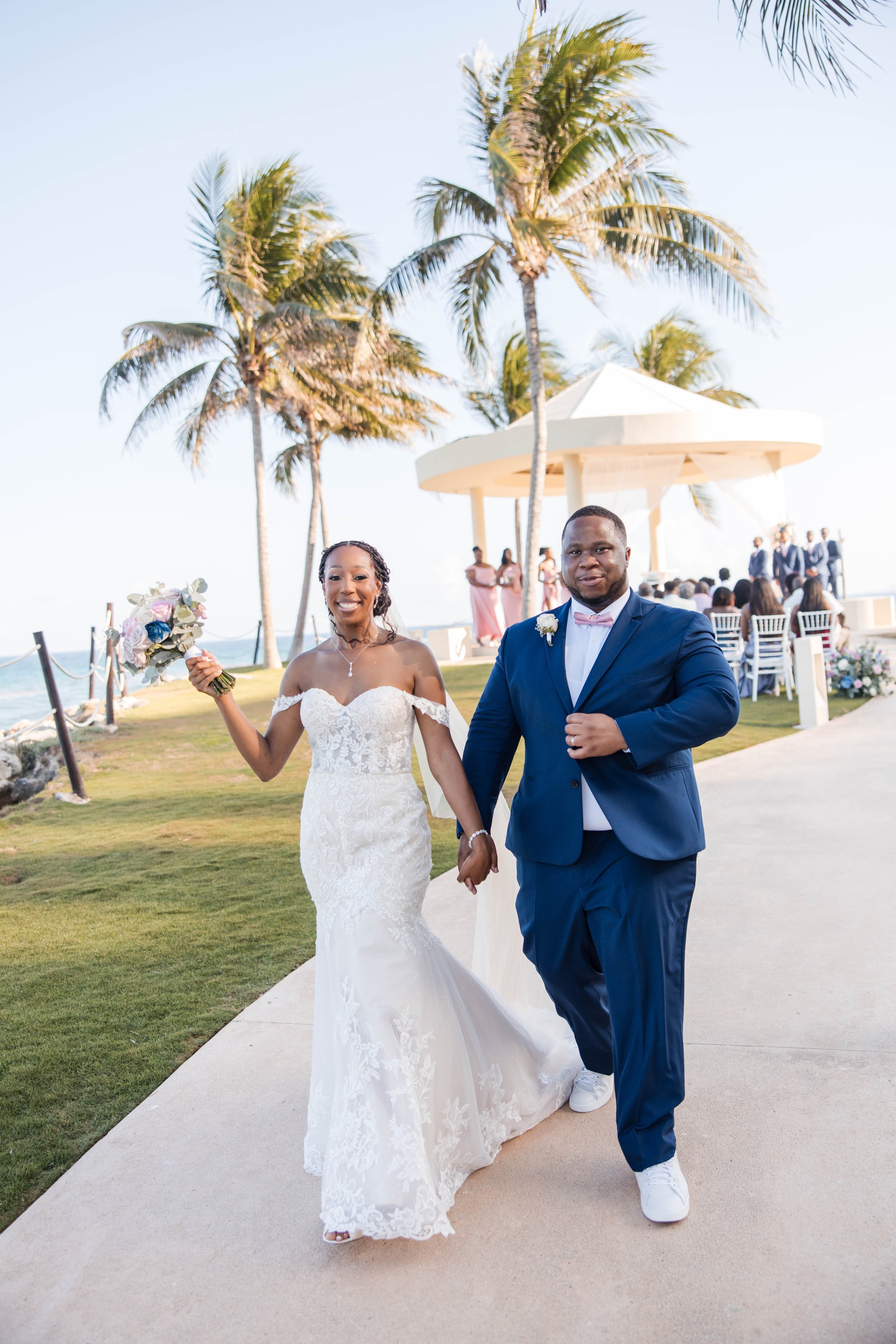
Tipping Destination Wedding Vendors in Mexico
I’ve photographed dozens of destination weddings across Cancun, Riviera Maya, Los Cabos, Tulum, and Playa Del Carmen. One question I hear from couples planning their big day is always the same: How do I handle tipping destination wedding vendors in Mexico? It’s a tricky one because tipping customs south of the border aren’t always the same as what you’re used to back home. I’ve seen brides over-tip out of worry and others skip it entirely because they didn’t realize it was expected. Neither feels good.
So let me break it down for you. This guide covers exactly who to tip, how much to give, and the best way to hand it over so your vendors feel appreciated and your budget doesn’t get wrecked. I’ll also share what I’ve learned from watching real weddings at resorts and private villas along the Riviera Maya coast.
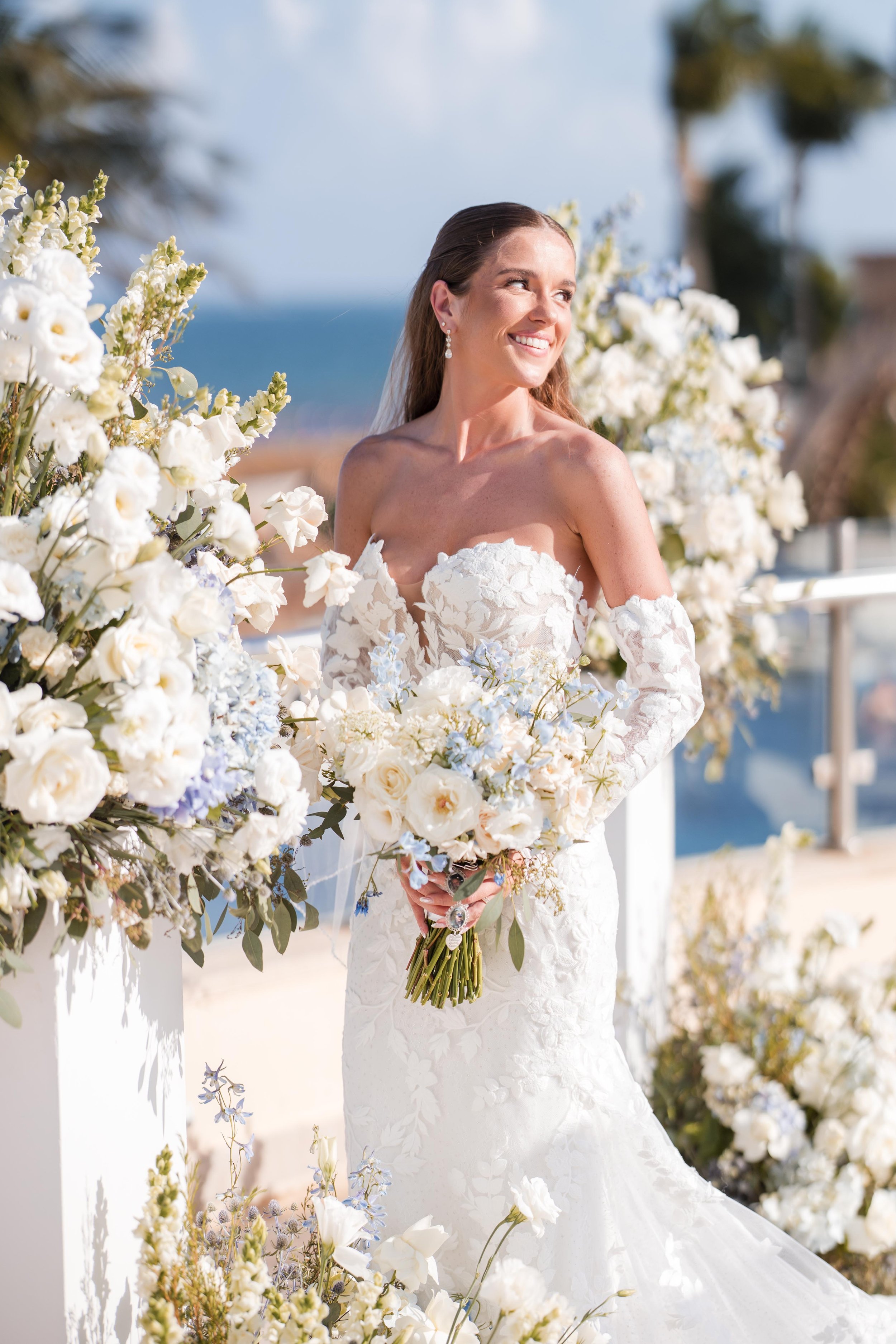
Tipping Destination Wedding Vendors in Mexico: Who Gets What
A lot of couples ask me if tipping is even required in Mexico. The short answer is yes, but it depends on the vendor type and whether a service charge is already included in your contract. Most all-inclusive resorts add a 15% to 18% service charge to your wedding package, which gets distributed among the resort staff. But that doesn’t mean every individual you work with sees that money. So you’ll still want to tip key people directly.
Your Wedding Planner or Coordinator
If you hired an independent wedding planner (not the resort coordinator), tip them 10% to 15% of their fee or a flat $200 to $500 depending on how much they handled. For a resort coordinator who’s an employee, a $100 to $200 tip is generous, especially if they went above and beyond.
Photographer and Videographer
One of the most common questions I get is how much to tip wedding photographer in Cancun. For a destination wedding photographer, a tip of $100 to $300 per shooter is standard. If your photographer owns their own business and sets their own rates (like Arch Wedding Studio), a tip is still appreciated but not mandatory. I always tell couples to tip what feels right for the level of service and the quality of the final gallery. For a second shooter or assistant, $50 to $100 is kind. Cash is best.
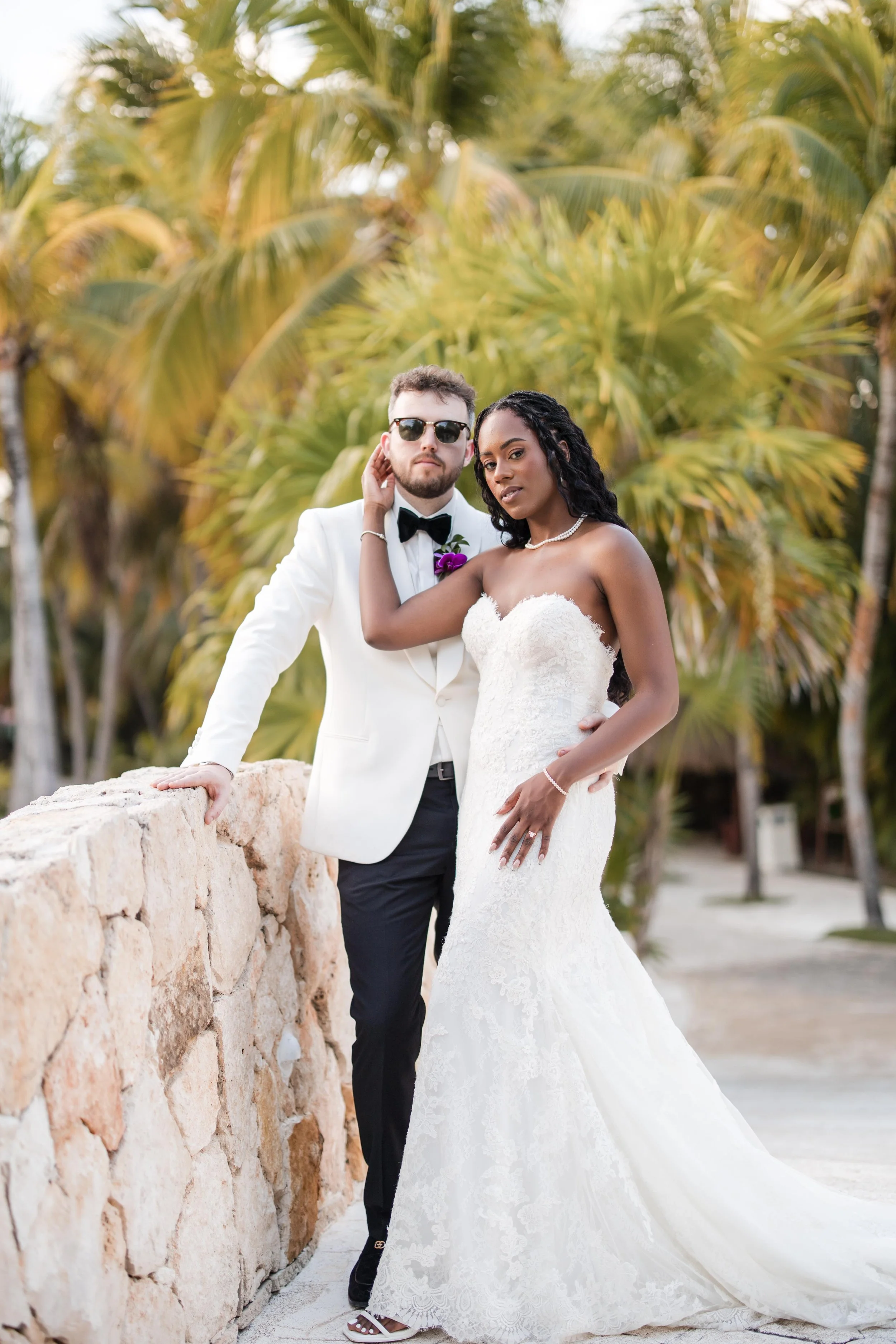
Vendor Gratuity Mexico Wedding: A Practical Breakdown
When you’re mapping out your vendor gratuity Mexico wedding budget, it helps to think per person rather than a percentage. That way you avoid guesswork. Here’s a quick list based on what I’ve seen work well at weddings from Playa del Carmen to Los Cabos.
Ceremony officiant: $50 to $100 (if not part of the resort package)
Hair and makeup artists: 15% to 20% of their service fee, or $50 to $100 per artist
DJ or live band: $100 to $200 per performer or sound tech
Waitstaff and bartenders: Check if gratuity is in the contract. If not, $20 to $50 per person for the evening
Transportation drivers: $10 to $20 per person for shuttles, or 10% of the charter fee
Setup and breakdown crew (day of coordinator): $50 to $100 each for last minute work
For vendors who exceed expectations, like a mariachi band that keeps the energy high for an extra set or a waitstaff team that handles a spill without missing a beat, bump up the amount. You can always add a personal note taped to the envelope.
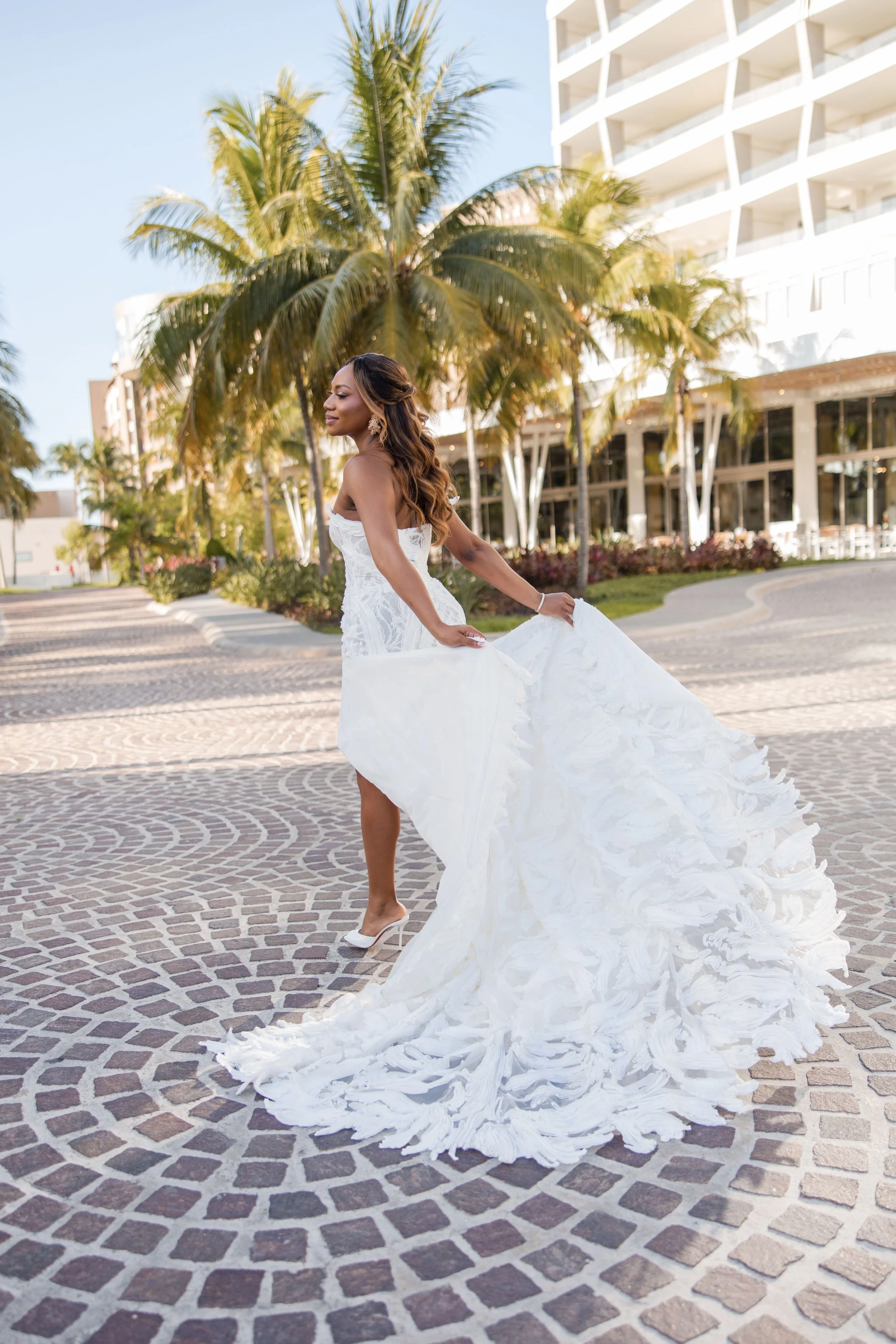
Tipping Etiquette for Destination Weddings: When and How to Hand It Over
Good tipping etiquette for destination weddings isn’t just about the amount. Timing and presentation matter just as much. I recommend preparing envelopes with each vendor’s name and amount before the wedding day. Give them out at the end of the night or the morning after. For a vendor who stays all day, like your photographer or coordinator, hand them their tip right after the reception ends. That way you’re not trying to chase them down the next day when you’re exhausted.
Cash in USD or pesos is fine. Most vendors in tourist areas prefer USD, but I always check with my couples to make sure the conversion is fair. Avoid writing a check unless you’ve confirmed they can cash it. Also, if you’re at an all-inclusive resort, ask your planner whether the hotel’s service charge covers individual tipping. Destination wedding tipping customs can vary a lot from one property to the next, so it never hurts to verify.
A personal thank you note goes a long way, especially for vendors like your destination wedding photographer who worked hard to capture every moment. I’ve kept every note from couples over the years. They mean more than the cash amount.
Frequently Asked Questions
Do I need to tip separately if my contract already includes a service charge?
Not always. Read your contract carefully. If the service charge specifically says “gratuities included,” you don’t need to double tip. But I’ve seen many couples still give a small cash tip ($20 to $50) to individual staff members who went out of their way, like a server who refilled drinks all night or a coordinator who fixed a last minute issue. It’s never expected but always appreciated.
Is it better to tip in USD or Mexican pesos?
Both work, but USD is often preferred by vendors who work primarily with tourists, especially in Cancun and Los Cabos. If you use pesos, calculate the exchange rate so you don’t accidentally under tip. I always suggest having a mix of small bills for tipping vendors like drivers and setup crew.
What if I can’t afford to tip every single vendor?
Don’t stress. Prioritize the vendors who serve you directly all day: your photographer, planner, hair and makeup team, and lead coordinator. For others, a sincere thank you and a positive review online can mean just as much. Many vendors understand that destination weddings have tight budgets. The most important thing is to be respectful and communicate early. If you’re unsure about expectations, check out what everyone should know about tipping at weddings in Mexico for a local perspective.
After spending years shooting weddings in Mexico and working side by side with local vendors, I can tell you that tipping isn’t just about money. It’s about acknowledging the people who made your wedding day run smoothly. A little thoughtfulness goes a long way. If you’re still planning your wedding and want to talk more about logistics or just see my work, head over to Arch Wedding Studio. I’m a destination wedding photographer based in Cancun and I love helping couples feel totally prepared for their big day. Whether you’re dreaming of a Tulum beach ceremony or a Cabo villa reception, I’d love to hear your story. Check out my about page and get in touch so we can start planning your perfect Mexico wedding.
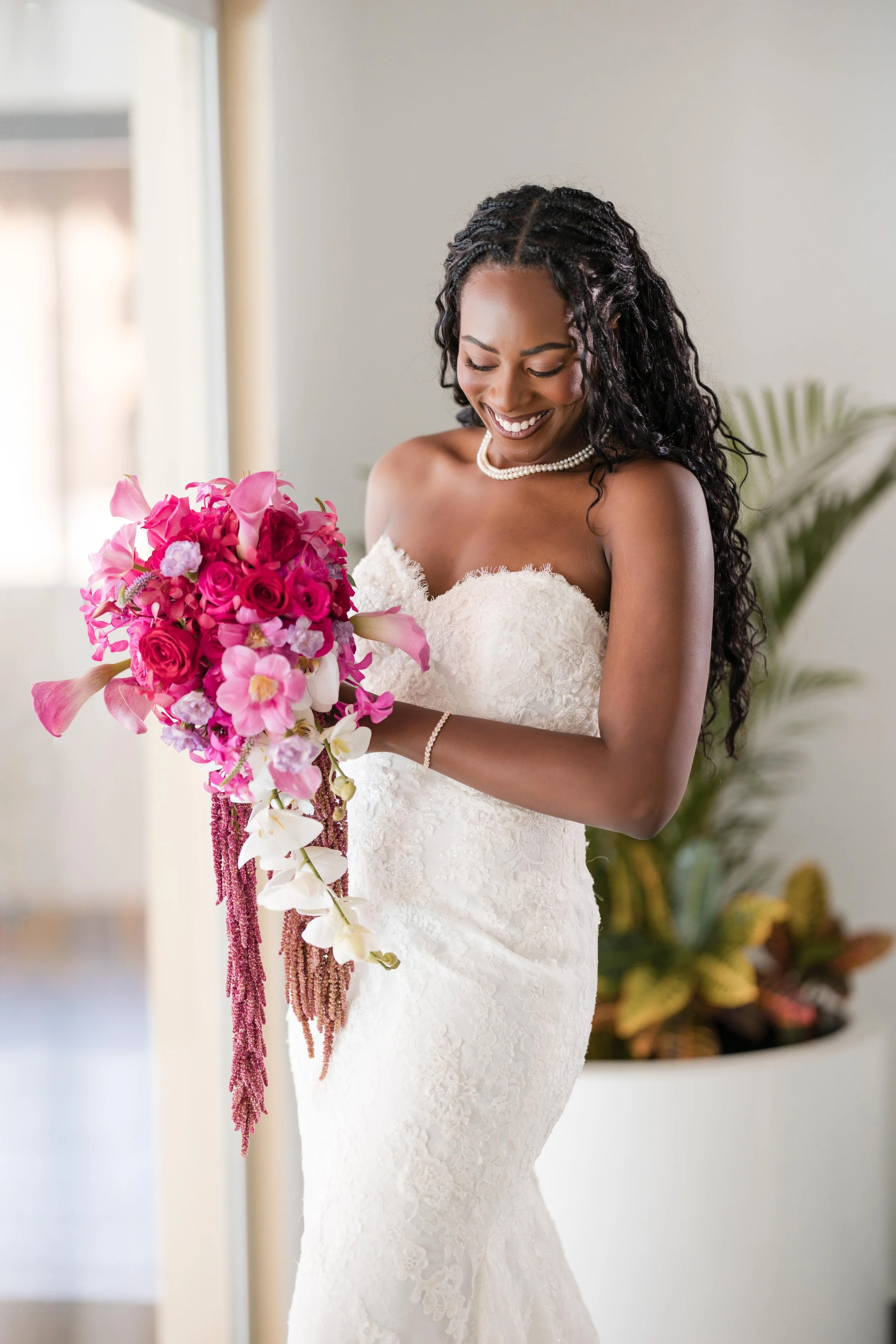
How to Keep Your Wedding Flowers Fresh All Day in Tropical Heat
I have spent years shooting destination weddings in the Riviera Maya, and I know one thing for sure: tropical heat is brutal on wedding flowers. I have seen gorgeous bouquets go limp before the ceremony even starts. But you don't have to settle for wilted petals. With a few smart strategies, you can keep your bouquet looking fresh from the first look to the last dance. As a photographer who captures every detail, I want to share what actually works for keeping wedding flowers fresh in tropical heat. These are the same tricks I recommend to all my couples.
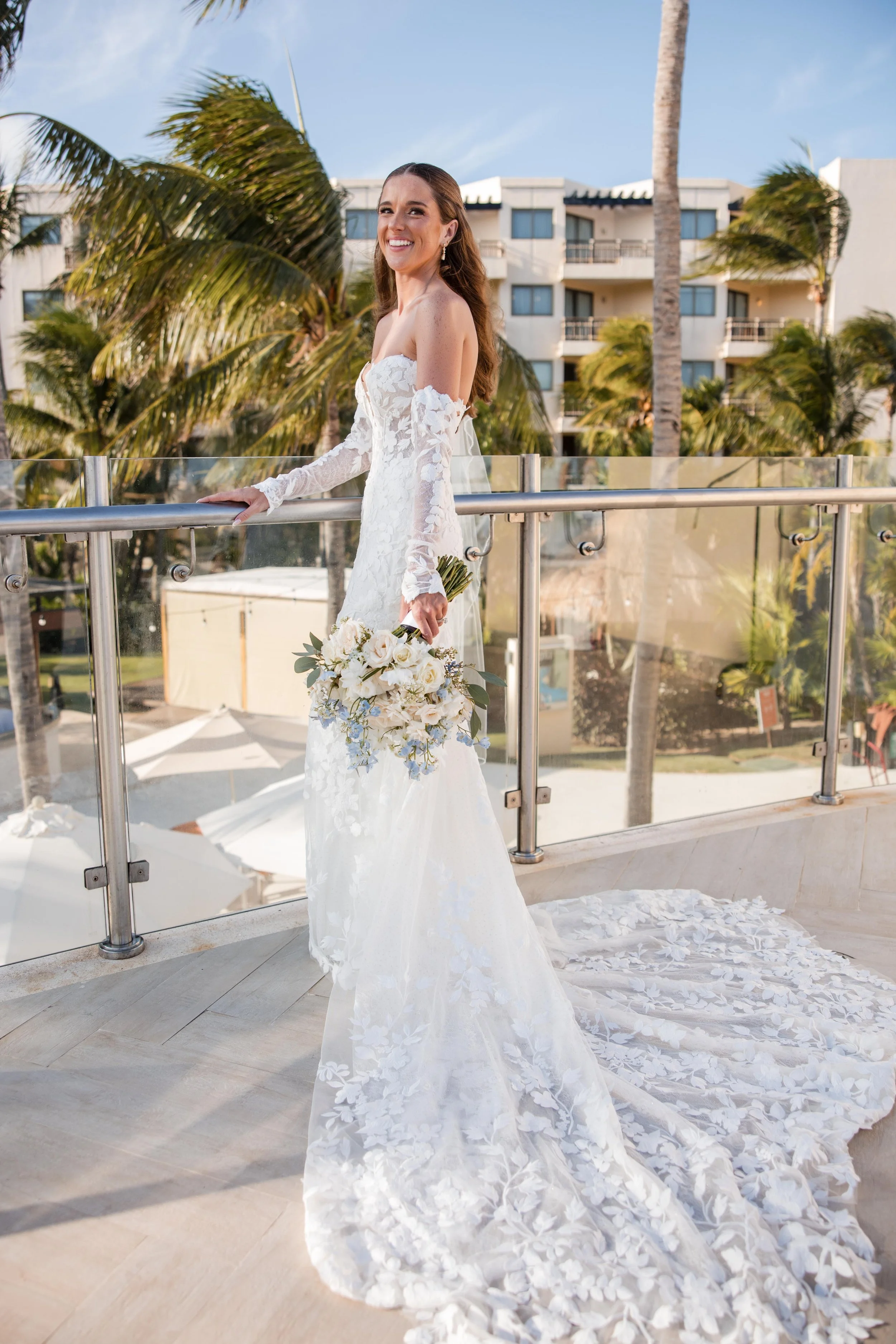
Why Tropical Heat and Humidity Wrecks Your Bouquet Fast
When you say your vows on a beach in Cancun or Tulum, the sun, salt breeze, and humidity create a perfect storm for flowers. Water evaporates from petals quickly, stems dry out, and bacteria multiply in the vase water. Delicate blooms like peonies or garden roses can brown at the edges within an hour. The key is to understand that flowers are living things. They need hydration, cool temperatures, and protection from direct sun. Most couples don't realize how quickly the heat accelerates wilting. By being proactive, you can extend the life of your flowers dramatically.
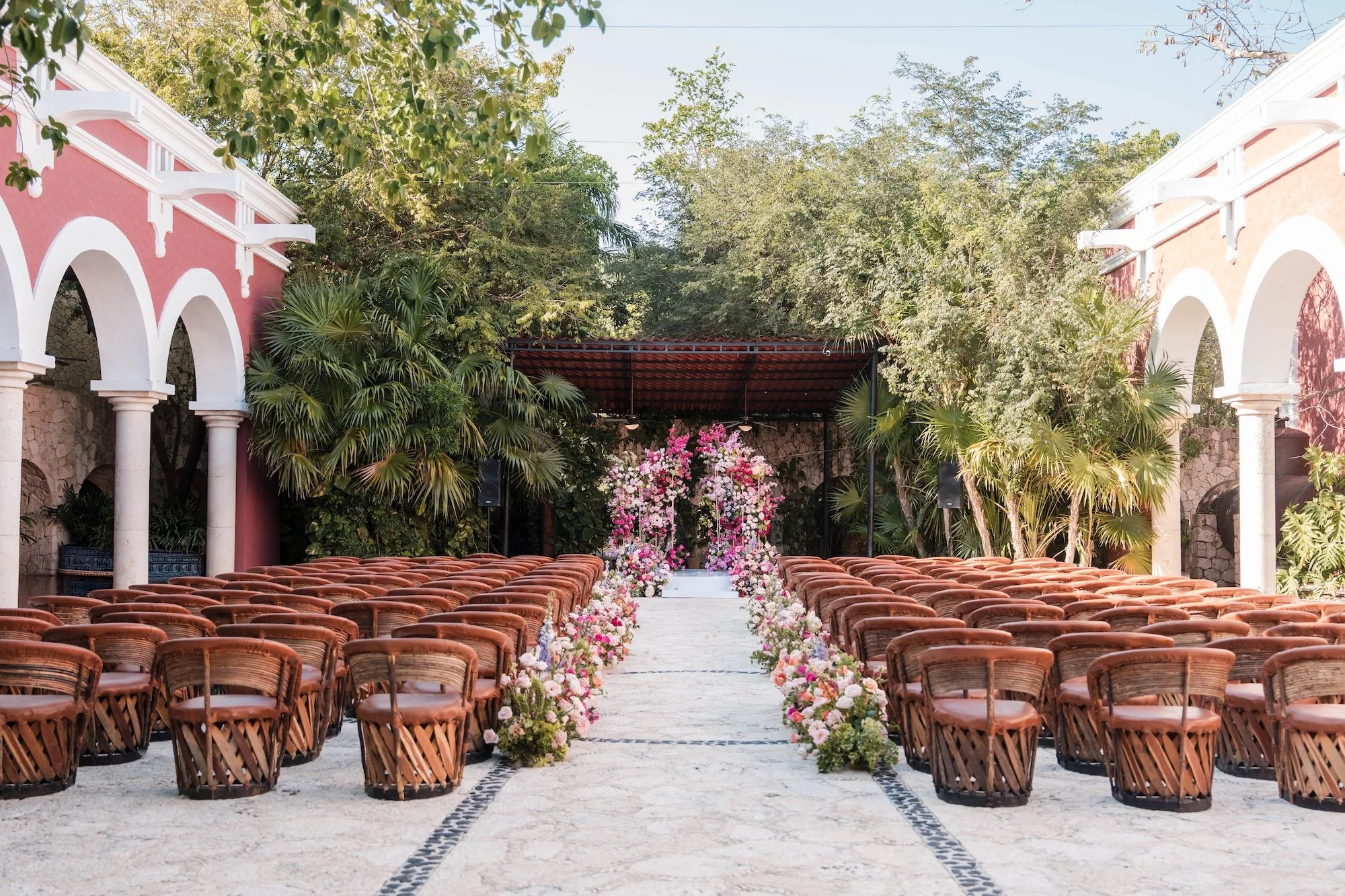
Choosing the Right Flowers That Survive Humidity
First and foremost, choose a local florist with great reviews. Then, when you are planning a tropical wedding, ask for blooms that naturally tolerate heat and moisture. These varieties hold up best:
Orchids – They thrive in humidity and look stunning against the ocean.
Succulents – These store water in their leaves and barely wilt.
Proteas – Hardy, sculptural, and heat-resistant.
Anthuriums – Their waxy leaves repel moisture loss.
Birds of paradise – Built for tropical climates.
Limonium (statice) – Acts as a filler that doesn't droop.
Avoid soft petals like ranunculus, hydrangeas, and tulips unless your venue is air-conditioned the whole time. Talk to your florist about heat-tolerant varieties. If you are still selecting your floral palette, check out our wedding photography portfolio to see how these flowers photograph in real tropical light.
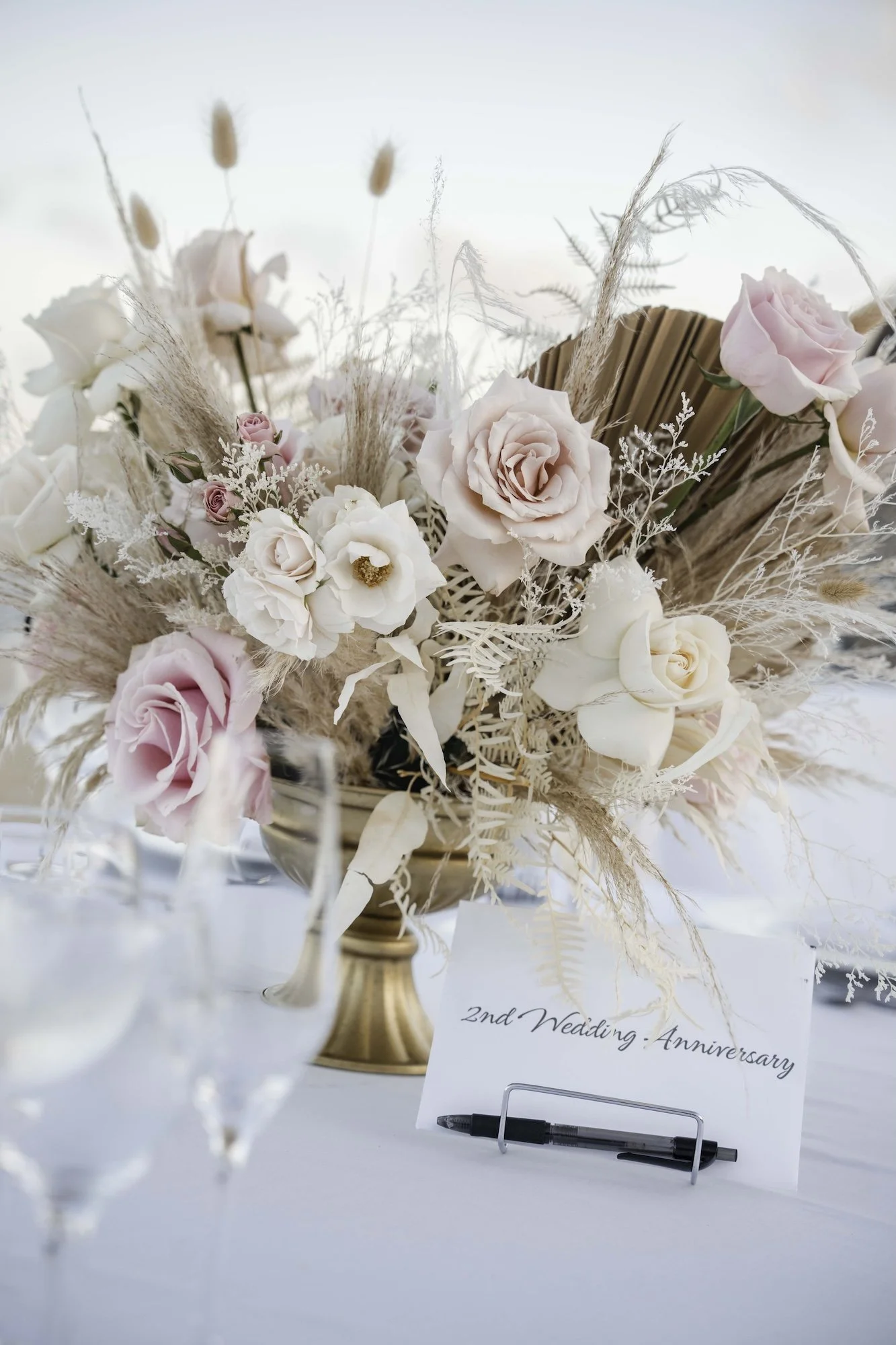
Simple Storage and Misting Routines for the Big Day
Once your bouquet is in your hands, it is all about hydration. Here is the routine I tell every couple to follow:
Keep Bouquets in a Cool Place Until the Last Minute
Store bouquets and boutonnieres in a shaded, air-conditioned room if possible. The bridal suite is ideal. Put stems in water tubes or wet floral foam. Never leave a bouquet in direct sun or a hot car, even for a few minutes.
Mist Frequently with a Spray Bottle
Fill a small spray bottle with cold water and give the petals a light mist every 30 to 45 minutes. Focus on the back of the petals and the stems. This is the number one trick for preserving your wedding flowers in high heat.
Use Floral Preservative and Change Water
If your flowers are in a vase, add a packet of floral preservative (or a drop of bleach and sugar) to the water to fight bacteria. Change the water every few hours if possible. This keeps the stems drinking.
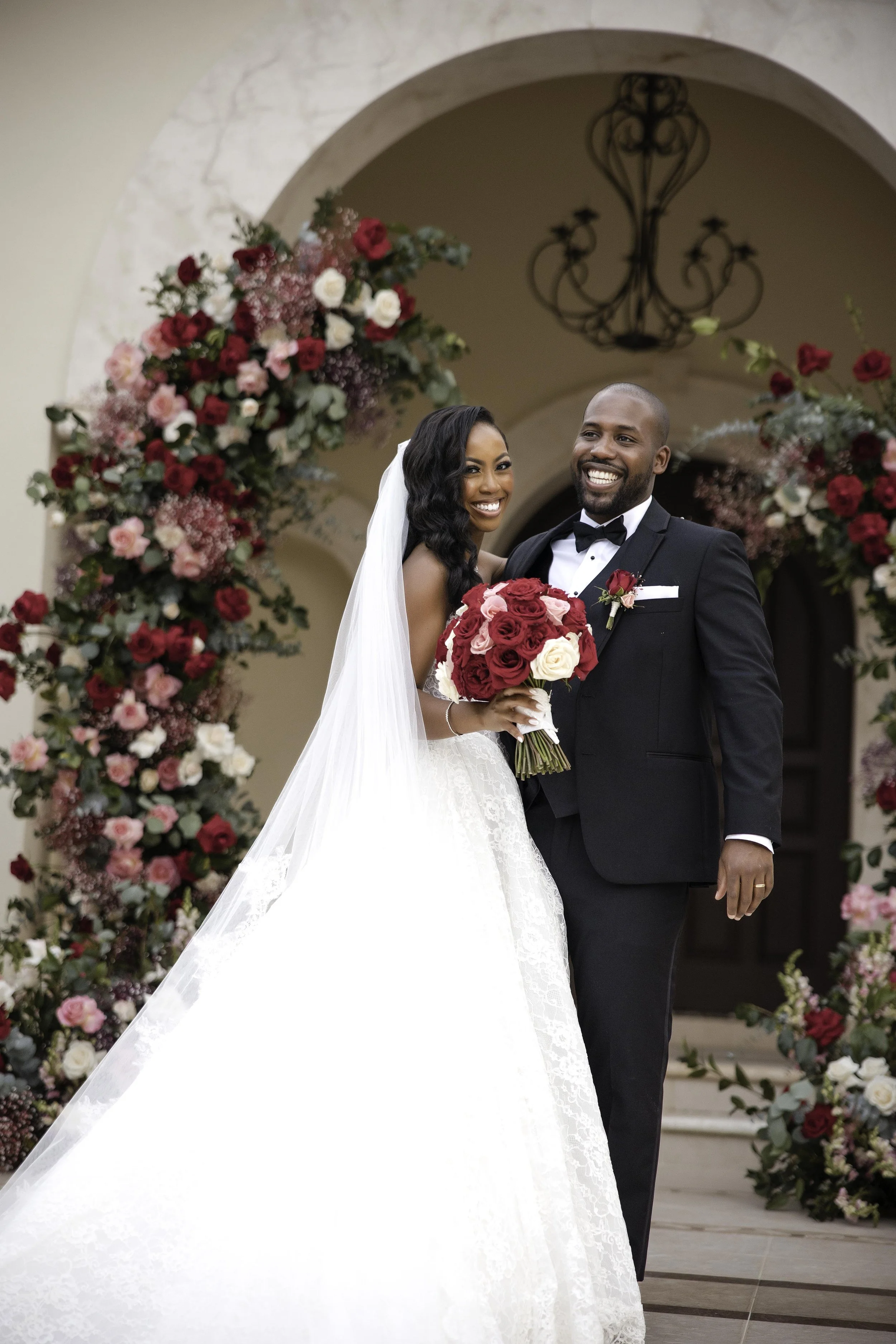
What to Do During the Ceremony and Reception
Once the ceremony starts, your bouquet is in the thick of it. Here are my field-tested tips for keeping wedding flowers fresh in tropical heat during each phase:
Ceremony: Keep the bouquet in the shade between photos. I always position couples so the flowers are not directly in the sun during altar shots. If you are holding the bouquet, hold it low and let your arms hang to reduce heat exposure near your body.
Cocktail hour: Hand your bouquet to a bridesmaid or coordinator and ask them to mist it and place it in a cool spot when not in use. Most florists offer a “bud vase” service to rehydrate bouquets.
Reception: Avoid leaving bouquets on hot tables or near candles. If your wedding is outdoors, place them in a shaded area or in an ice bucket (stem side down) when you are not carrying them. For more on how to keep your arrangement vibrant all evening, read this guide on keeping your bouquet fresh on a hot day.
Another pro tip: schedule your floral-heavy photos like the detail shots and bouquet portraits earlier in the day when the heat is less intense. Plan accordingly and communicate with your photographer. If you want to see how I handle these situations, check out my about page to learn more about my approach to destination wedding photography.

Frequently Asked Questions
Can I keep my bouquet fresh overnight or for the next day?
Yes, if you store it properly. Place the stems in fresh water with preservative, mist the petals, and store in a refrigerator (not the freezer) set above 40°F. Avoid putting it near fruits like apples that release ethylene gas. For best results, trim the stems at an angle before rehydrating.
What about preserving the bouquet as a keepsake after the wedding?
If you want to preserve your bouquet, act fast. Freeze drying or pressing works best when the flowers are still fresh. Many couples choose to have their bouquet professionally preserved after the wedding. Just keep it in water until you hand it off to the preservation service.
Does the time of day matter for flower freshness?
Absolutely. Morning and late afternoon are cooler, so flowers last longer. If your ceremony is at noon in July, expect more wilting. Talk to your florist about having a backup bouquet for the reception if you are doing an outdoor midday ceremony. A second bouquet can be kept in cool storage and swapped in before the first dance.
Planning a destination wedding in the tropics means embracing the heat while protecting the details that matter most to you. As a destination wedding photographer, I have seen bouquets survive scorching beach ceremonies because couples took these simple steps. I specialize in capturing every delicate detail of your day, from the lace on your dress to the petals in your bouquet. If you are dreaming of wedding photos that feel natural and timeless, let’s talk. Visit archweddingstudio.com to see my full portfolio and get in touch. I would love to hear about your floral plans and help you prepare for a stunning, sweat-proof celebration.
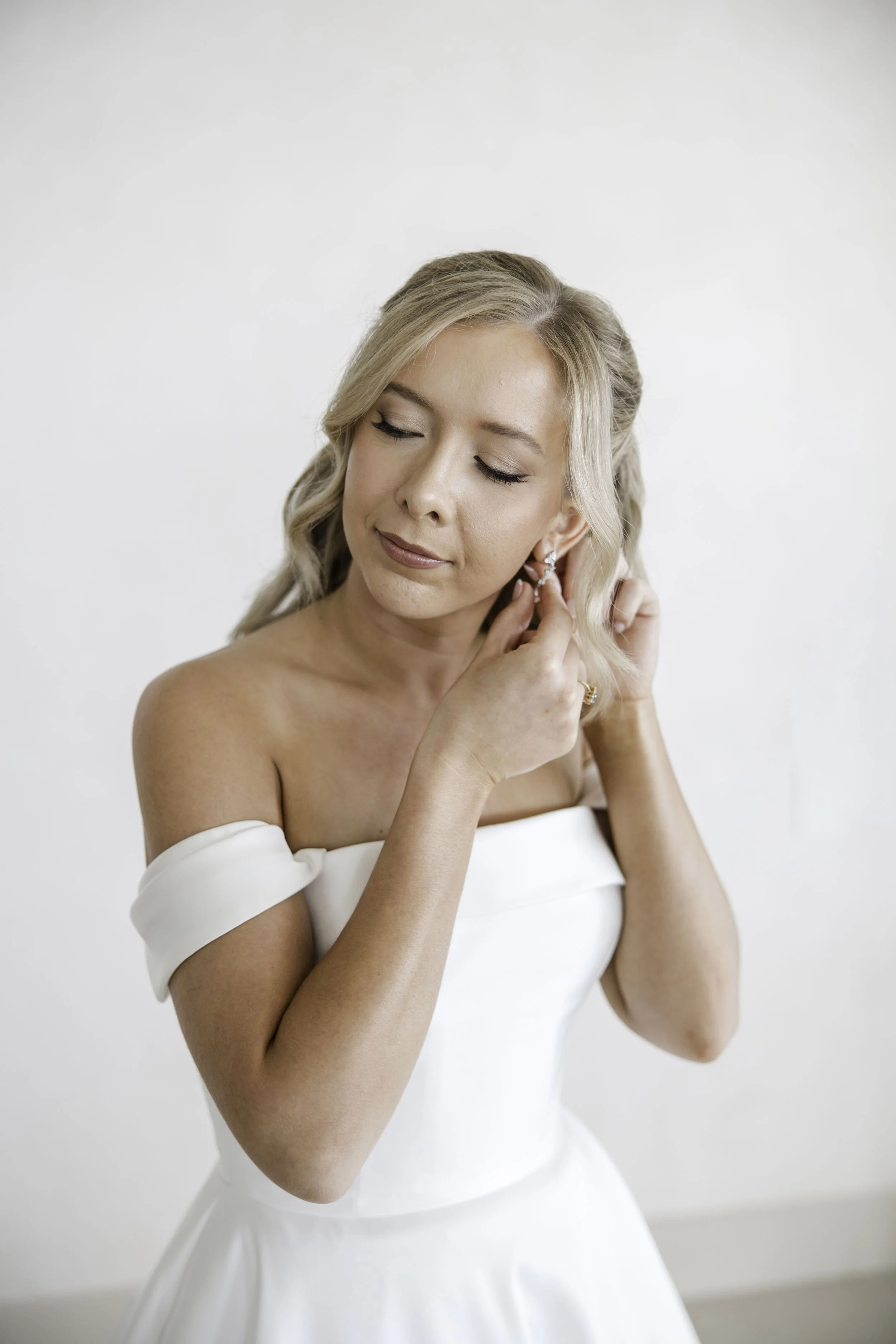
The Truth About Getting Ready Photos in Small Hotel Rooms for Your Destination Wedding
You booked a gorgeous resort in Mexico for your destination wedding, and the pictures online showed sprawling suites with ocean views. Then you arrived and realized your getting-ready room is more of a cozy closet than a penthouse. Trust me, I’ve seen it a hundred times. But here’s the thing: getting ready photos in small hotel room spaces can actually turn out better than giant ballrooms if you know what to do. I’m going to walk you through exactly how I shoot these scenes so you get images that feel open, airy, and totally you.
Why Small Hotel Rooms Are Actually a Good Thing for Getting Ready Photos
When couples hear “small room,” they immediately think cramped and dark. But I’ve learned that tighter spaces force everyone to be intentional. There’s no wandering off to another corner. You’re all in one spot, which means more genuine interaction and less awkward posing. Plus, the natural warmth of a compact room can make your wedding photography feel intimate and honest instead of stiff and produced.
Think about it: when your bridesmaids are zipping you into your dress in a snug hotel bathroom, the laughter and little moments happen naturally. I just have to be ready with my camera. As one photographer points out in her article why the getting-ready room matters more than most couples think, the energy of the space sets the tone for your entire day. A small room can actually make that energy more concentrated and real.
How to Choose the Right Room
If you still have some control over which room you’ll use, pick one with a window that gets indirect light. South or east-facing windows are golden. Avoid rooms with dark wood paneling or busy wallpaper. White walls bounce light like crazy and make everything look bigger. And please, do me a favor, move the bed against a wall or strip it of extra pillows and throws before I show up. Less clutter equals more breathing room in your photos.
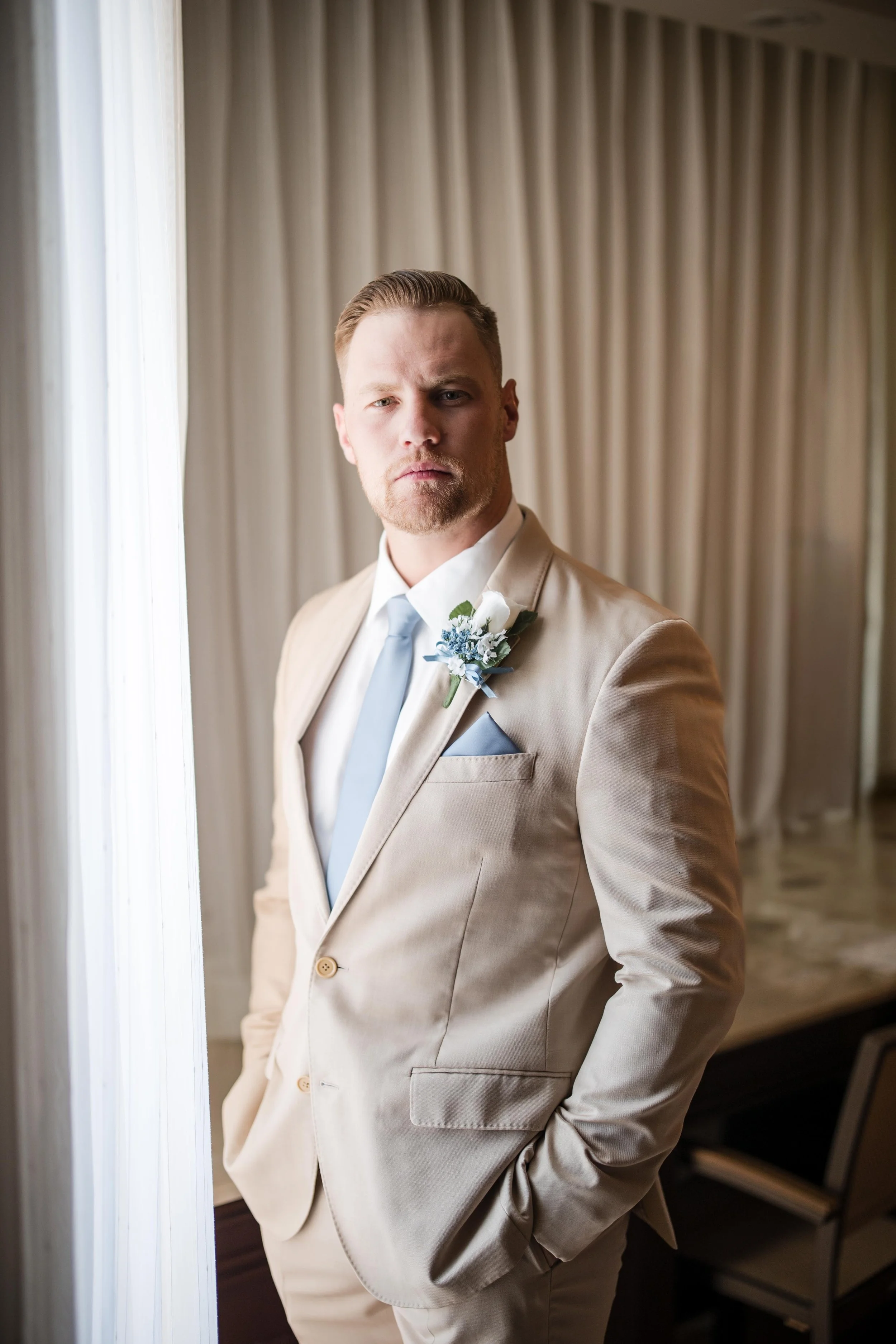
My Best Lighting Tips for Tight Spaces
Lighting is the single biggest factor in making a small room look spacious. I almost always turn off the overhead hotel lights because they cast ugly shadows and make the ceiling feel lower. Here’s the trick: position the bride or groom so they’re facing the window, not standing with their back to it. That front light opens up the face and makes the room behind them fall into soft shadow, creating depth.
If the room only has one tiny window, I’ll bounce light off the ceiling or a white wall using a collapsible reflector. You don’t need fancy gear. Even a white bedsheet taped to a wall can soften harsh direct sun. You can see some samples on my destination wedding photography portfolio page, where windows are often small and the sun is brutal. The same principles apply anywhere.
What to Do About Harsh Shadows
Harsh shadows happen when light comes from directly above or from a weird angle. In a small hotel room, I often ask the bride or groom to sit on the edge of the bed instead of standing against the wall. That shifts the angle of the light and softens shadows under the eyes and chins. Also, if your room has sheer curtains, pull them closed to diffuse the sun. It turns that sharp beam into a beautiful soft glow.
Angles and Posing Tricks That Make a Room Look Bigger
I shoot almost everything from a low angle in small rooms. Crouching down or sitting on the floor makes the ceilings look higher and the space feel wider. The key is to keep the background simple. If the wall behind you has a lamp or a mirror, I’ll either include it intentionally as a compositional element or ask you to shift a few feet so the background is blank.
For posing, I keep it natural. Instead of standing stiffly side by side, I’ll have the bride sit on the bed while her mom adjusts her veil, or the groom lean against the dresser while his brother hands him cufflinks. These candid moments look like they belong in the space because they’re not forced. If you want more ideas, check out this article on shooting getting ready photos at a hotel that covers similar positioning tricks.
Using Mirrors and Reflections
A mirror in a small room is your best friend. I use it to create the illusion of double the space. I’ll shoot the bride’s reflection as she looks into the mirror while doing her makeup, and the room behind her in the reflection makes the image feel bigger than it actually is. Just make sure the mirror is clean, no smudges or toothpaste splatters. Also, avoid having a lamp or a bright surface reflected in the glass. A quick wipe with a microfiber cloth before I arrive works wonders.
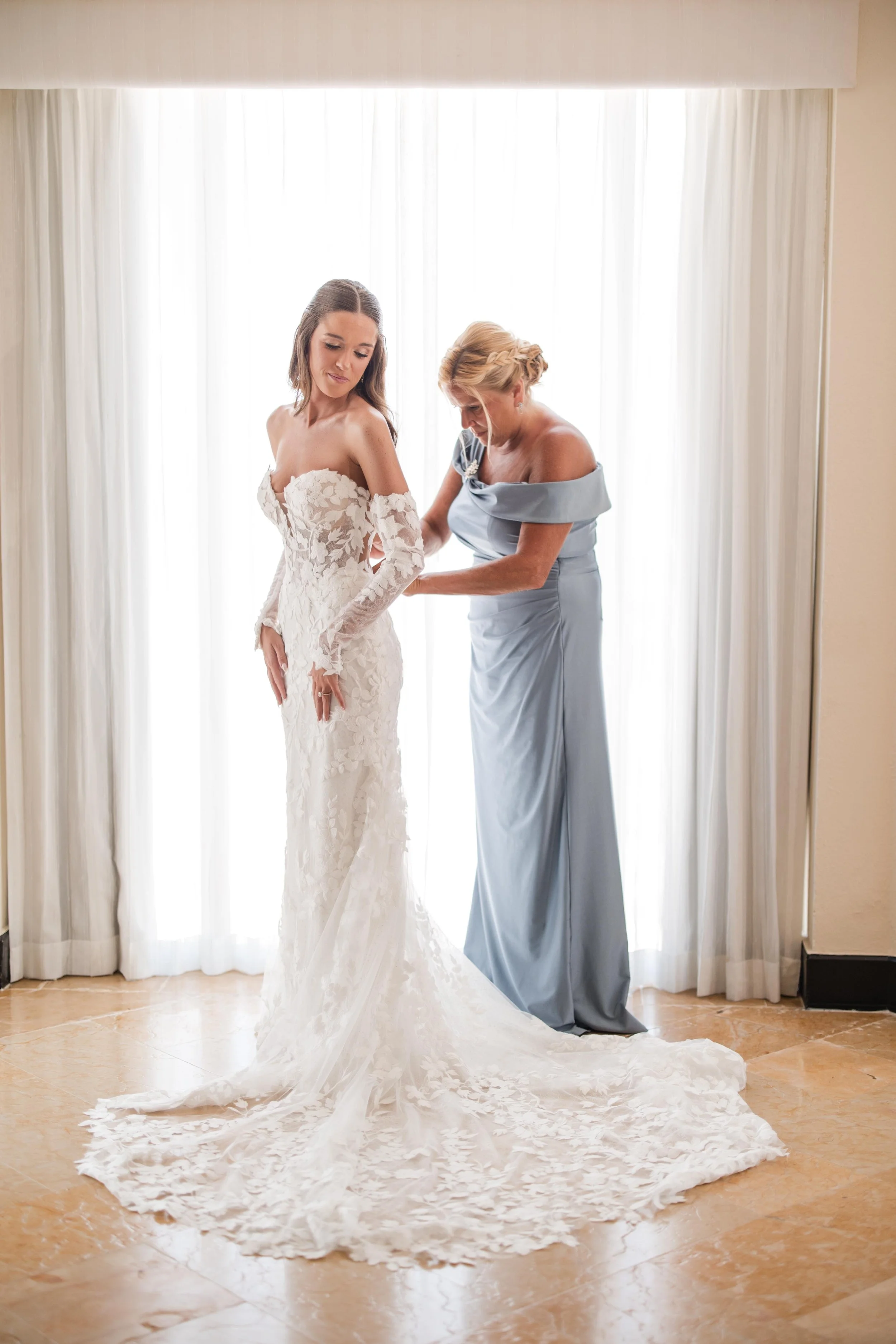
What to Do Before I Arrive (Packing and Room Prep)
The smartest thing you can do is pack a small getting-ready kit. Bring a portable steamer for your dress, a lint roller, and a pair of scissors to cut tags. Clear off the nightstands and bathroom counters. Stash suitcases under the bed or in the closet. If your dress is hanging on the back of the door, that’s actually a great photo opportunity. I’ll shoot the dress with the door slightly ajar and you in the background.
Another pro tip: ask your hotel front desk if they have a large room you can use for an hour before the ceremony. Sometimes they’ll upgrade you or let you use a conference room. It never hurts to ask. And if you’re still unsure about how your space will look, feel free to send me a photo beforehand. I’ve shot in some insanely tight quarters — think vintage boutique hotels in Tulum — and I can always find a way to make it work. You can see examples in my Arch Wedding Studio about page where I share real stories from past clients.
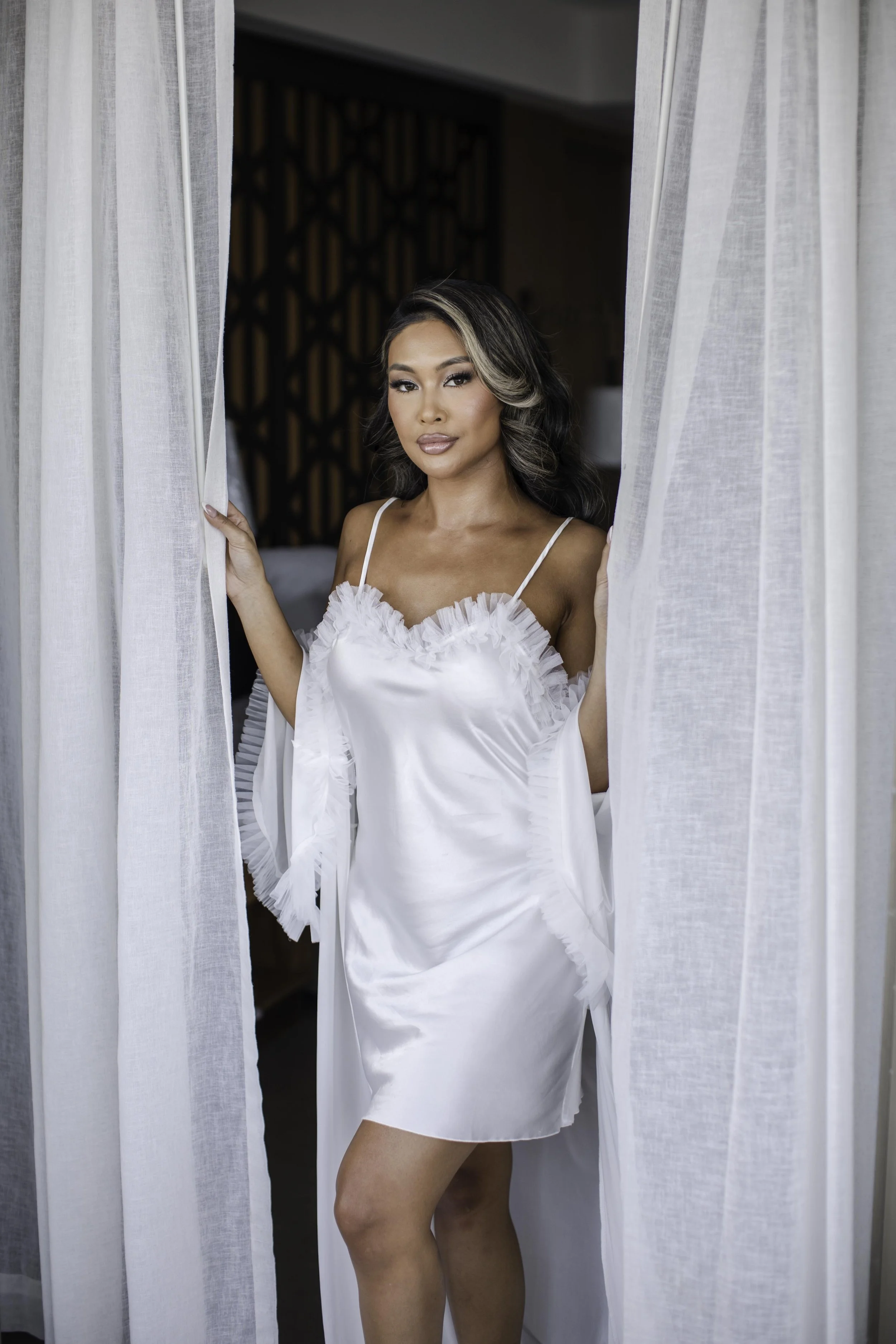
Look, I know the idea of having your entire wedding party crammed into a small hotel room can feel stressful. But I’ve been doing getting-ready photos in small hotel room situations for years, and they consistently produce some of the most emotional and beautiful images from the day. The secret is trusting your photographer to work with the space, not against it.
At Arch Wedding Studio, I specialize in destination wedding photography that captures the real, unpolished moments — even when the room is the size of a postage stamp. I’d love to help you plan your getting-ready timeline so you can relax and enjoy every second of your wedding morning. Head over to my inquiry page and let’s chat about your destination wedding. I can’t wait to see what kind of cozy, gorgeous space you end up in.

How to Incorporate Your Cultural Traditions into Destination Wedding Photography
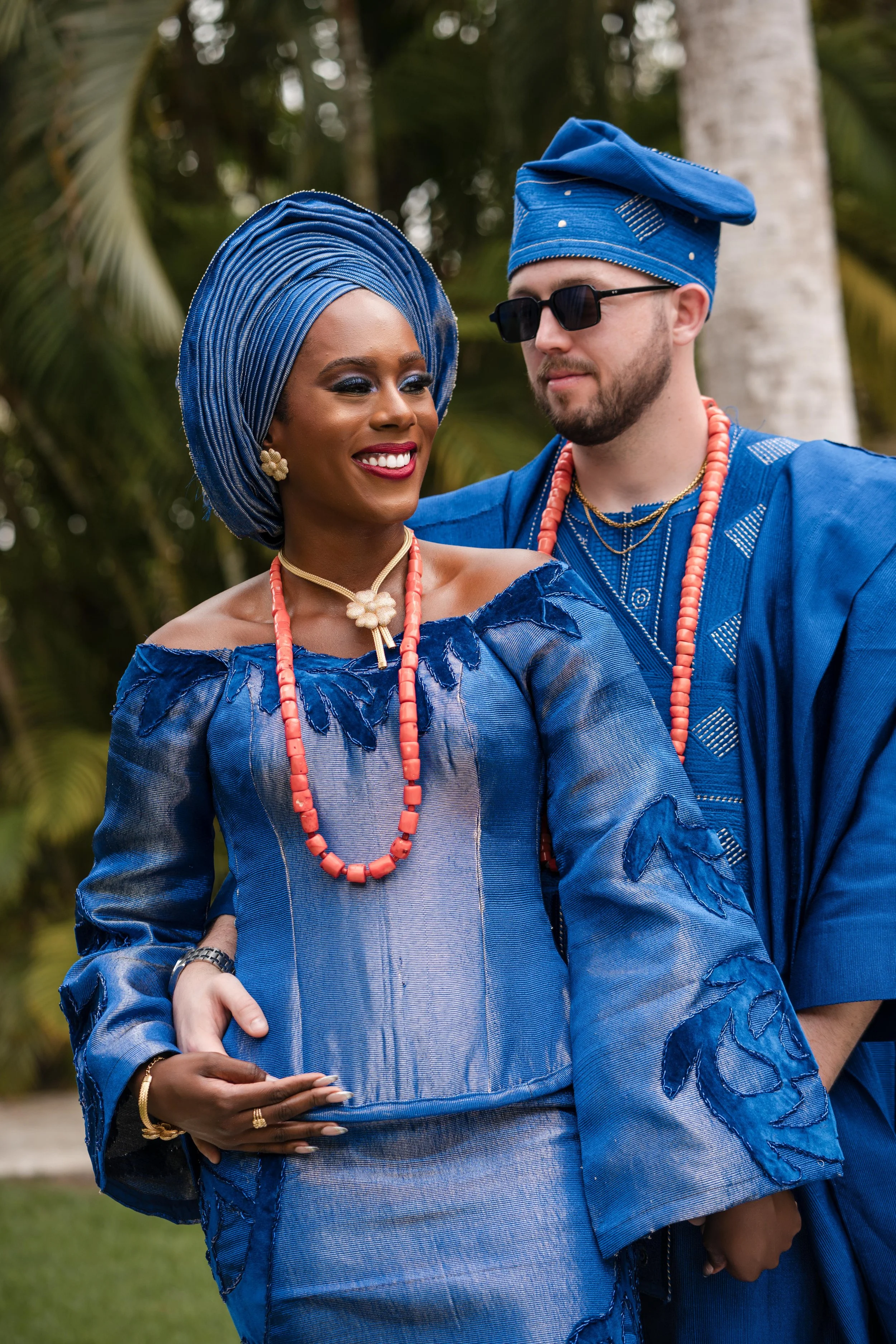
I've photographed Nigerian weddings in Cancun, Jewish ceremonies in Tulum, and Hindu rituals on the Riviera Maya. Every time, I learn something new. And every time, the couple tells me the same thing: they're worried their cultural traditions won't get captured the way they deserve. That fear is real, especially when you're planning a cultural destination wedding photography session far from your home community. But with the right prep, you can have your ceremony, your heritage, and stunning photos without a single missed beat. Here's how I help couples make that happen.
Planning Ahead
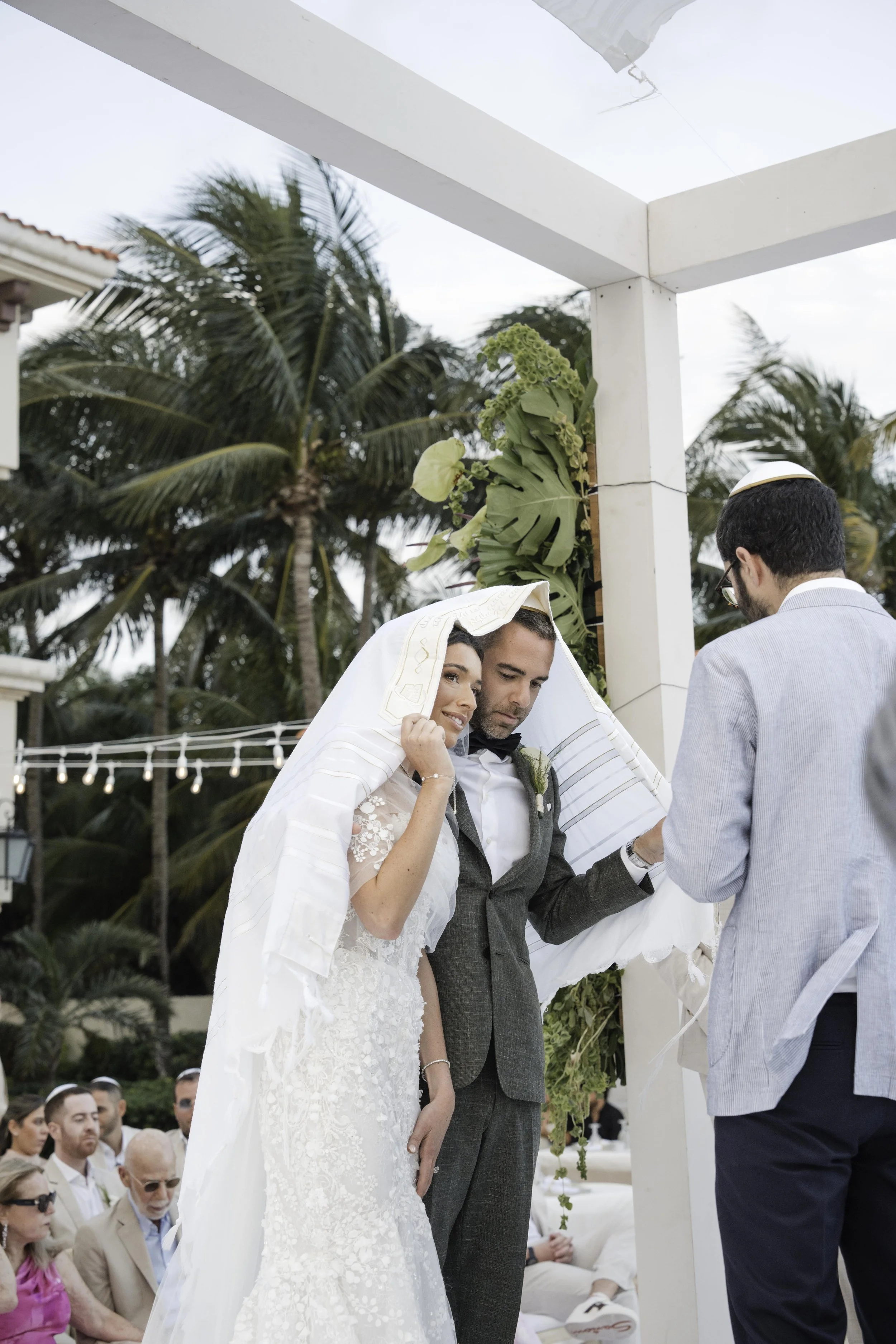
Every culture has moments that can't be recreated. The breaking of the glass under the chuppah. The exchange of garlands during a Hindu ceremony. The money spray at a Nigerian reception. Those happen once, in real time. If I'm not in the right spot with the right settings, they're gone forever.
That's why I ask every couple to send me their full ceremony timeline at least two months before the wedding. Not just the start and end times. I need the exact sequence of each ritual, who performs it, where everyone stands, and how long it takes. We walk through the ceremony step by step. I take notes on what's sacred, what's quiet, and what's loud. That call is the single most important thing I do to prepare for your cultural destination wedding photography.
If you want to see how I approach this kind of planning for couples from all backgrounds, check out my story and philosophy at Arch Wedding Studio. It all starts with listening.
Handling Multiple Cultural Traditions in One Wedding
More and more couples are blending two or more cultures at their destination wedding. Maybe you're Nigerian and your partner is Jewish. Or you're both from different regions of India. The key is timing and communication. I recommend creating a combined timeline that respects the flow of each tradition without making guests wait around too long.
Here's what works: pick the longer or more visually complex tradition to run first (often the Hindu or Nigerian ceremony), then follow it with the shorter one (like a Jewish ceremony). That way, the energy builds instead of peaking early. I also ask the couple to assign a family member or friend to be my cultural point person for each tradition. If something unexpected happens, that person signals me so I can adjust.
For a deeper look at how I approach destination weddings with cultural layers, check out my destination wedding photography services page. I break down how I tailor coverage to each couple's unique needs.

Frequently Asked Questions
How far in advance should I send my photographer the ceremony schedule?
At least two months before the wedding. That gives enough time for a walk-through of the timeline, and any adjustments to lighting or equipment. Last-minute schedules increase the chance of missing a key moment.
What if my traditions are unfamiliar to the photographer?
That's normal. I ask couples to share reference photos or videos from previous family weddings. If your culture has a unique ritual, describe it in plain English and explain the emotional significance.
Planning a destination wedding with deep cultural roots shouldn't feel stressful. You deserve a photographer who takes the time to understand your traditions, respects the sacred moments, and delivers photos that tell the full story. At Arch Wedding Studio, I specialize in cultural destination wedding photography across Mexico, the Caribbean, and beyond. I work closely with officiants, elders, and coordinators so nothing slips through the cracks. If you're ready to talk about your wedding and how we can honor your heritage through every frame, I'd love to hear from you. Reach out through archweddingstudio.com and let's start planning your timeline together.
How to Communicate Your Wedding Photo Vision to Your Destination Photographer Without Being Pushy
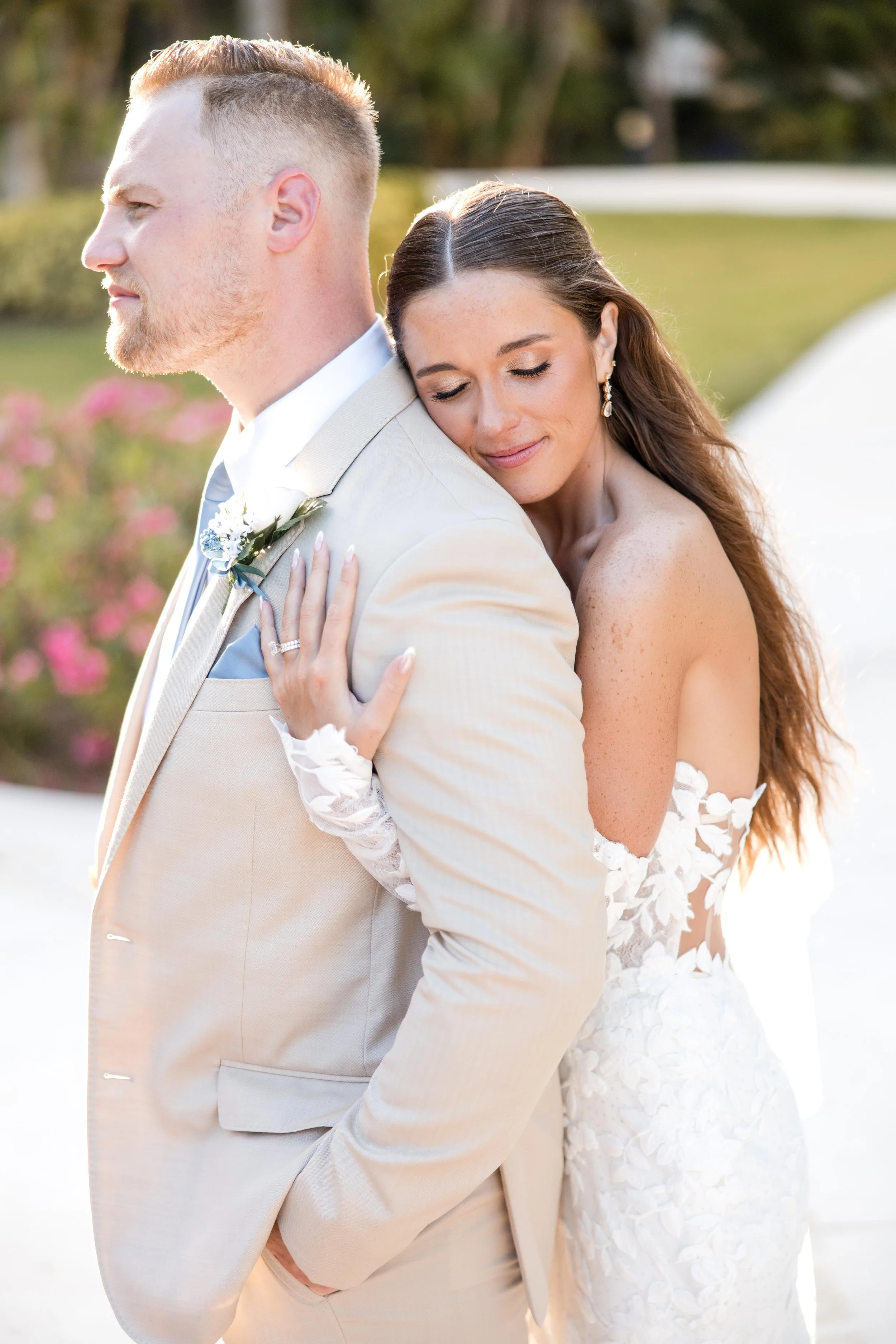
Planning a destination wedding means trusting a lot of people you may have only met over Zoom. And when it comes to your photos, it can feel scary to hand over the reins. You have Pinterest boards, mood boards, and a clear idea of what you want. But how do you share that without crossing into micromanaging? I’ve been on both sides of this conversation, and I promise there’s a way to communicate wedding photo vision to photographer that honors your style and respects their expertise. Here’s exactly how I recommend doing it.
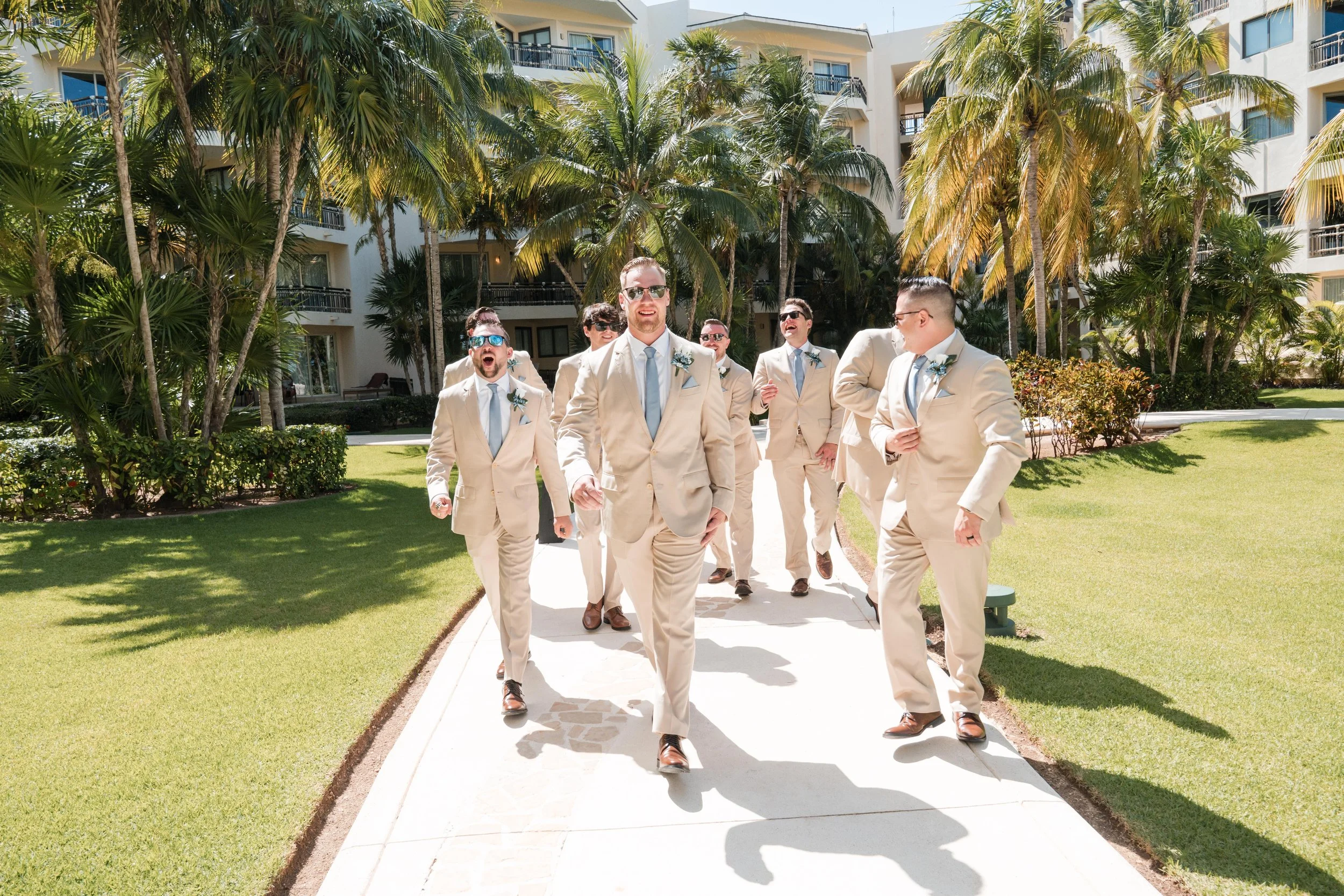
Why Being Direct (Not Bossy) Actually Helps Your Photographer
Every photographer I know loves a couple who know what they like. The problem isn’t having opinions. It’s how you deliver them. When you approach the conversation with curiosity instead of demands, you invite collaboration. I always tell my couples that destination wedding photography works best when we’re a team. You’re the expert on your relationship and your taste. I’m the expert on light, timing, and composition. Sharing your vision early helps me plan, but sharing it as a suggestion rather than a requirement keeps the day flowing naturally.
I’ve had couples send me a folder of 200 images and say “make it look like this.” That’s overwhelming. Instead, try sending a curated set of 10 to 15 photos along with a note about what specifically draws you to each one: “I love how the light falls on her veil in this shot,” or “The candid laughter here feels like us.” That kind of feedback is gold. It tells me what you value without boxing me into a strict shot list.
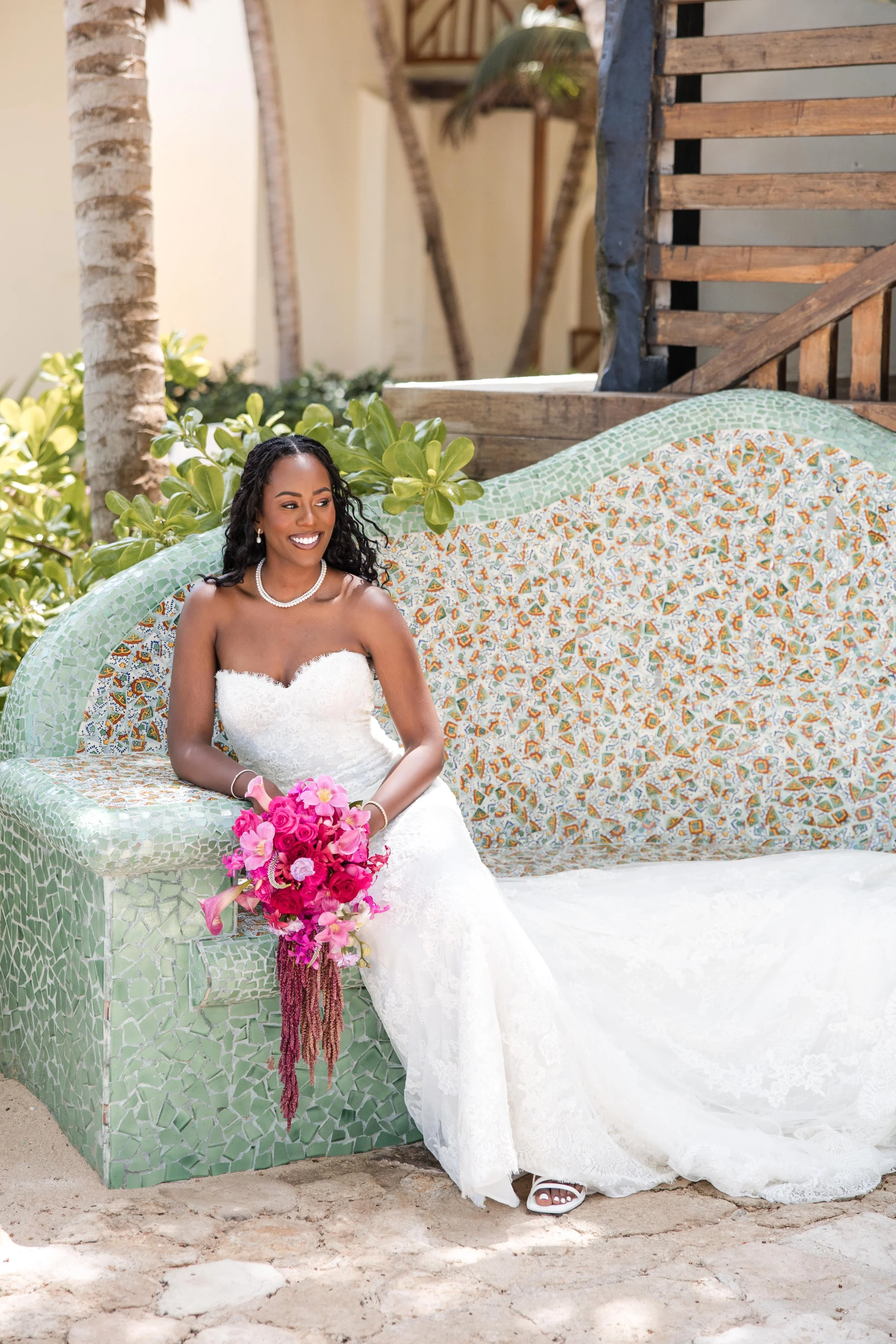
How to Build a Shot List That Works for Both of You
Start With the Must Haves (Not Every Single Moment)
A shot list is helpful. A script is not. I recommend writing down the family combinations you absolutely need (grandma with the couple, siblings, etc.) and the couple’s portraits that feel essential (first look, sunset silhouettes, etc.). Leave the rest to me. I’ve photographed dozens of weddings on the Riviera Maya. I know exactly when the golden hour hits and where to stand for the best beach wedding photos. Your trust in that knowledge is what frees you up to actually enjoy the day.
When you communicate your wedding photo vision to your photographer, keep the list short enough to fit on one page. Group must-haves by time of day so nothing gets missed during the chaos of getting ready or the reception transition. And if there’s a specific creative shot you’ve seen online, send it as a reference, not an ultimatum. Say “I’d love something like this if it works with the location” rather than “I need this exact shot.”
Talk About Mood, Not Just Props
Instead of saying “I want a shot with sparklers by the pool,” describe the feeling you’re after. “I want the reception to feel warm and romantic, with candid laughs and dim lighting.” That helps me adjust my camera settings, lens choice, and even the way I move around the party. Couples often struggle to put words to their vision, but resources like this guide on helping couples articulate a vision explain how a little bit of direction goes a long way. It’s okay if you can’t describe every detail. Just telling me you want “editorial but not stiff” or “candid and a little messy” gives me a vibe to chase.

Feedback Tips That Keep the Relationship Healthy
Once the wedding is over, you’re not done communicating. After I deliver your gallery, you might have requests for editing tweaks or re-edits on certain images. Here’s how to handle that without sounding demanding.
Be specific about what you love first. Start with “The shots on the beach are incredible, especially the one with the wind blowing your dress.” Then say “Could we brighten the indoor reception photos just a touch? Some feel a little dark to me.” That positive framing makes the request feel like a collaboration, not a critique.
Ask if something is possible. Not everything can be changed in post. A raw file can only be pushed so far. By asking “Is it possible to warm up the skin tones in these?” you respect my technical boundaries while still getting what you want.
Limit feedback to one round. Most photographers include at least one round of edits. More than that can strain the relationship. If you have a lot of requests, prioritize the most important ones.
If you’re nervous about how to start the conversation, take a look at this approach to communicating your vision to your wedding photographer. It offers a script you can adapt for your own emails.

FAQ: Common Questions About Sharing Your Photo Vision
What if I have no idea what I want?
That’s totally fine. Start by looking at my portfolio. If you see a wedding that feels similar to yours, tell me which gallery you liked and why. I can also send you a short questionnaire before the wedding to help you think through your priorities. Sometimes a quick call to talk through your timeline is enough to spark ideas.
How much detail should I put in my shot list?
Keep it high level. Family groupings, couple portrait must-haves, and any special moments that are unique to your culture or day (like breaking a glass or a sand ceremony). I’ll fill in the rest. Too much detail makes the day feel like a checklist rather than a celebration.
Will my photographer be offended if I share Pinterest boards?
Not at all, as long as you make it clear those are inspiration, not instructions. A good photographer sees a Pinterest board as a window into your aesthetic preferences, not a strict rule book. Just say “Here’s what’s inspiring me,” and let me interpret it through my style and the location’s possibilities.
At Arch Wedding Studio, I specialize in destination wedding photography that feels effortless and true to you. Whether you’re planning a beach ceremony in Cancun or a villa wedding in Tulum, I’ll work with you to bring your vision to life while keeping the day relaxed. Take a look at my wedding services and about page to see if we’re a good fit. When you’re ready to chat, I’d love to hear what you’re dreaming up. Let’s make some magic together.
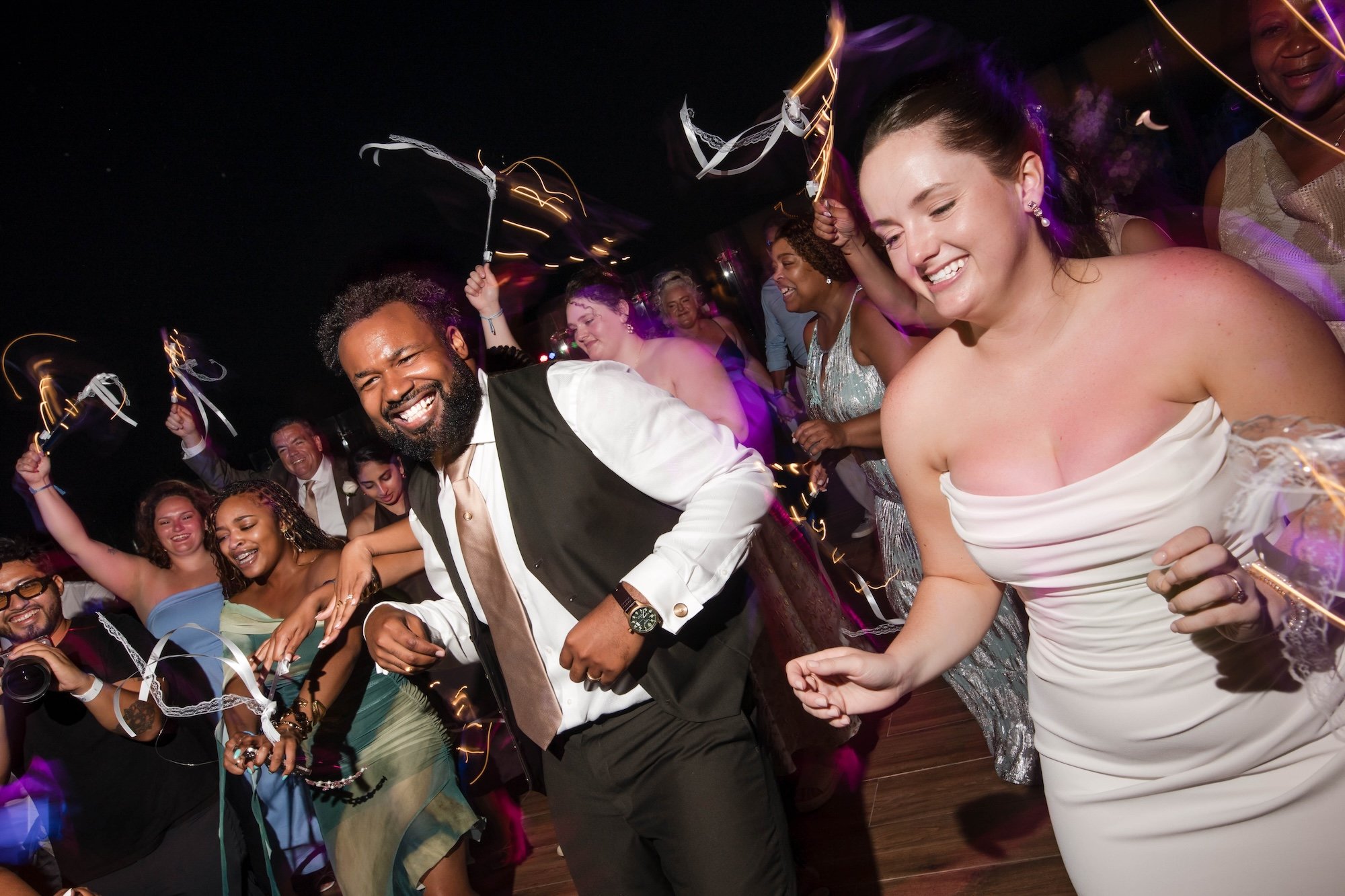
Editorial Flash Photography: Turning Your Mexico Wedding Reception into a Vogue After-Party
You spent months curating the perfect outdoor reception under the Mexican stars, stringing up fairy lights over the dance floor and selecting the ultimate late-night playlist. But as the sun dips below the Caribbean horizon, a common fear sets in: how will these vibrant moments actually look on camera once it is pitch black outside? As the founder and lead photographer at Arch Wedding Studio, I hear this exact concern from nearly every couple I work with. I am Evan Whitney, and I am here to assure you that the darkness is not a limitation; it is an opportunity to completely shift the visual tone of your entire gallery.
Instead of relying on overly bright, artificial lighting setups that kill the mood of your party, we lean into a technique that the high-fashion industry has utilized for decades. If you check out my photography philosophy on my website, you will notice a distinct, intentional transition in the imagery when the party officially starts. We implement direct flash photography to capture the raw, chaotic energy of your reception, transforming a standard dance floor into a scene straight out of an exclusive celebrity after-party.
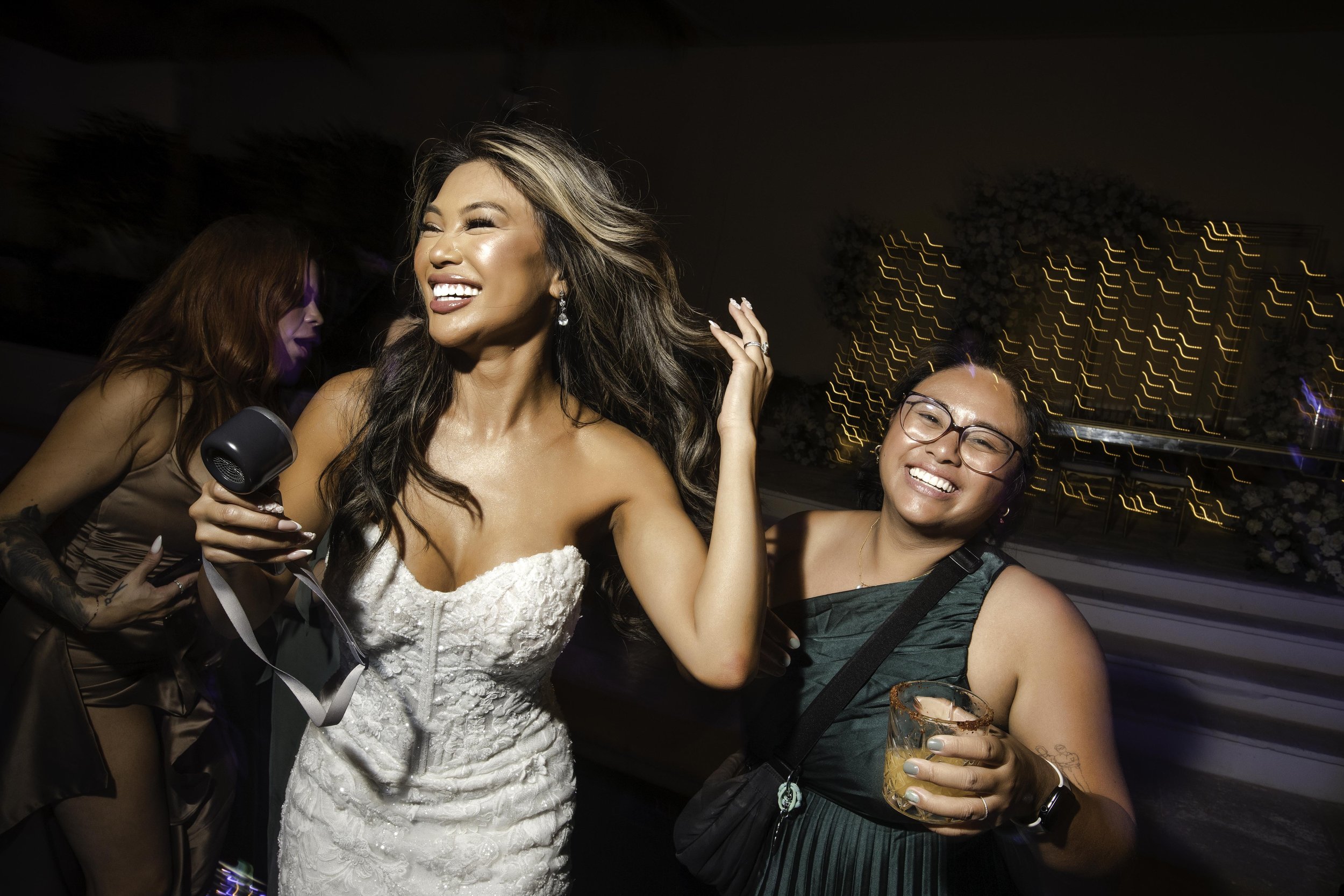
The Reality of Lighting a Beach Reception
Shooting an outdoor event in the Riviera Maya presents a highly specific set of environmental challenges. When you host a reception in a traditional ballroom, a photographer can simply point their flash at the white ceiling, bouncing the light to create a soft, even exposure across the room. On a beach in Tulum or a jungle courtyard in Playa del Carmen, there are absolutely no ceilings to bounce light off of. The flash fires directly into the open night sky, meaning we have to be incredibly intentional with how we illuminate our moving subjects.
Traditional wedding photography often attempts to solve this outdoor dilemma by placing multiple large light stands around the perimeter of the dance floor. While this works for highly formal events, it often results in stiff, overly polished images that fail to capture the movement and sweat of a real party. By reviewing the galleries on my main portfolio page, you can see why I prefer a completely alternative route. I want you to feel the music and the motion when you look at your photos, which requires a much more dynamic, mobile approach to lighting.
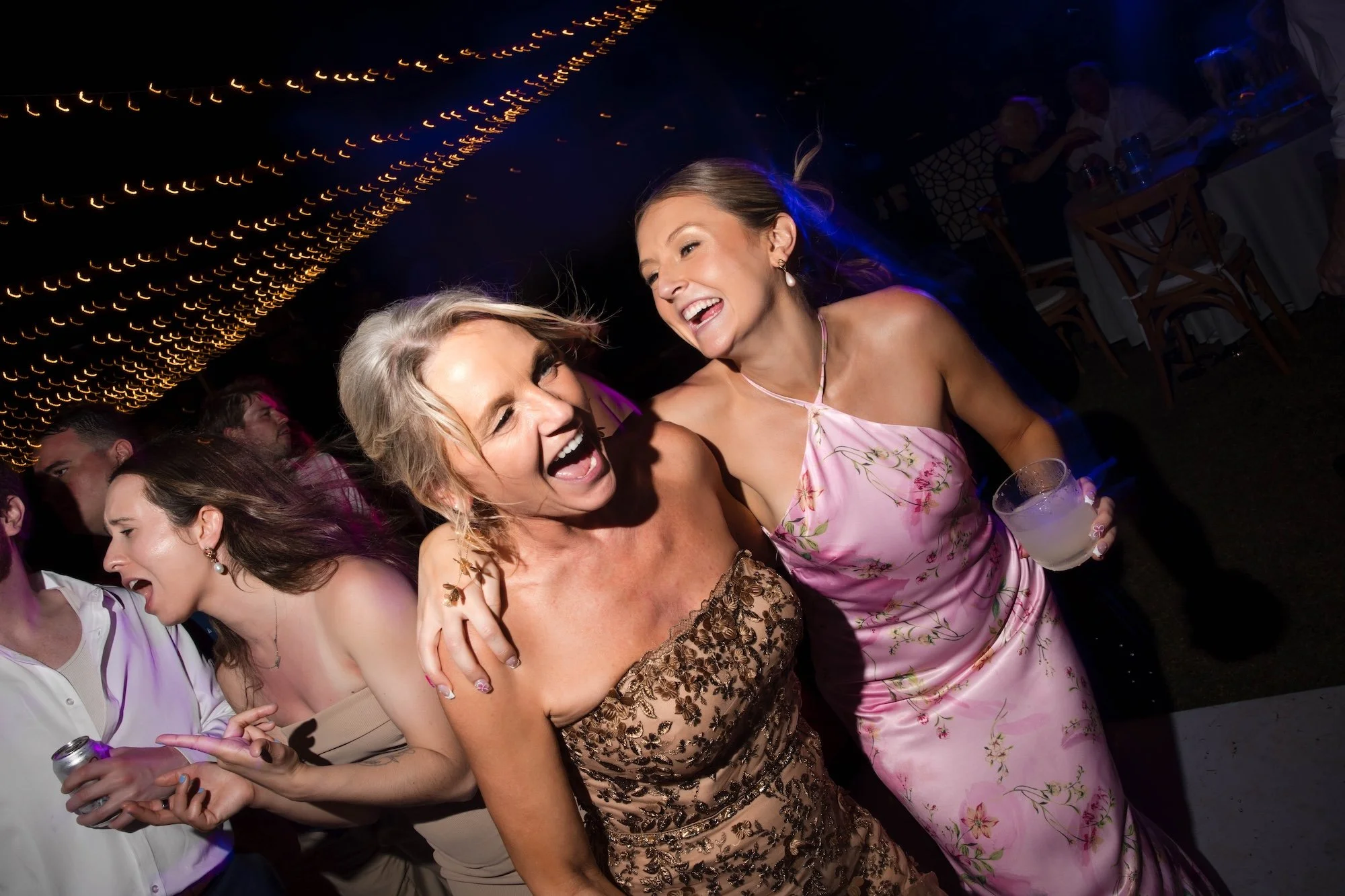
What is the Editorial Direct Flash?
Editorial direct flash—often referred to by modern couples as the "paparazzi" style—involves mounting the flash directly onto the camera body and pointing it straight at the subject. This creates a high-contrast image featuring brightly lit subjects, deeply saturated colors, and sharp, dramatic shadows falling directly behind them. If you look at the real weddings frequently featured in publications like Vogue, you will instantly recognize this aesthetic. It heavily mimics the nostalgic feel of disposable cameras and 35mm film, bringing a gritty, glamorous authenticity to the late-night hours.
Couples are heavily gravitating toward this specific look because it feels distinctly different from the rest of their wedding day. Your ceremony portraits will be soft, romantic, and beautifully composed, but your reception photos should reflect the fact that you threw the best party of your life. When you hire a modern destination wedding photographer in Cancun, you get a gallery that treats your dance floor like an exclusive VIP club, full of motion blur, popping champagne, and pure, unfiltered fun.
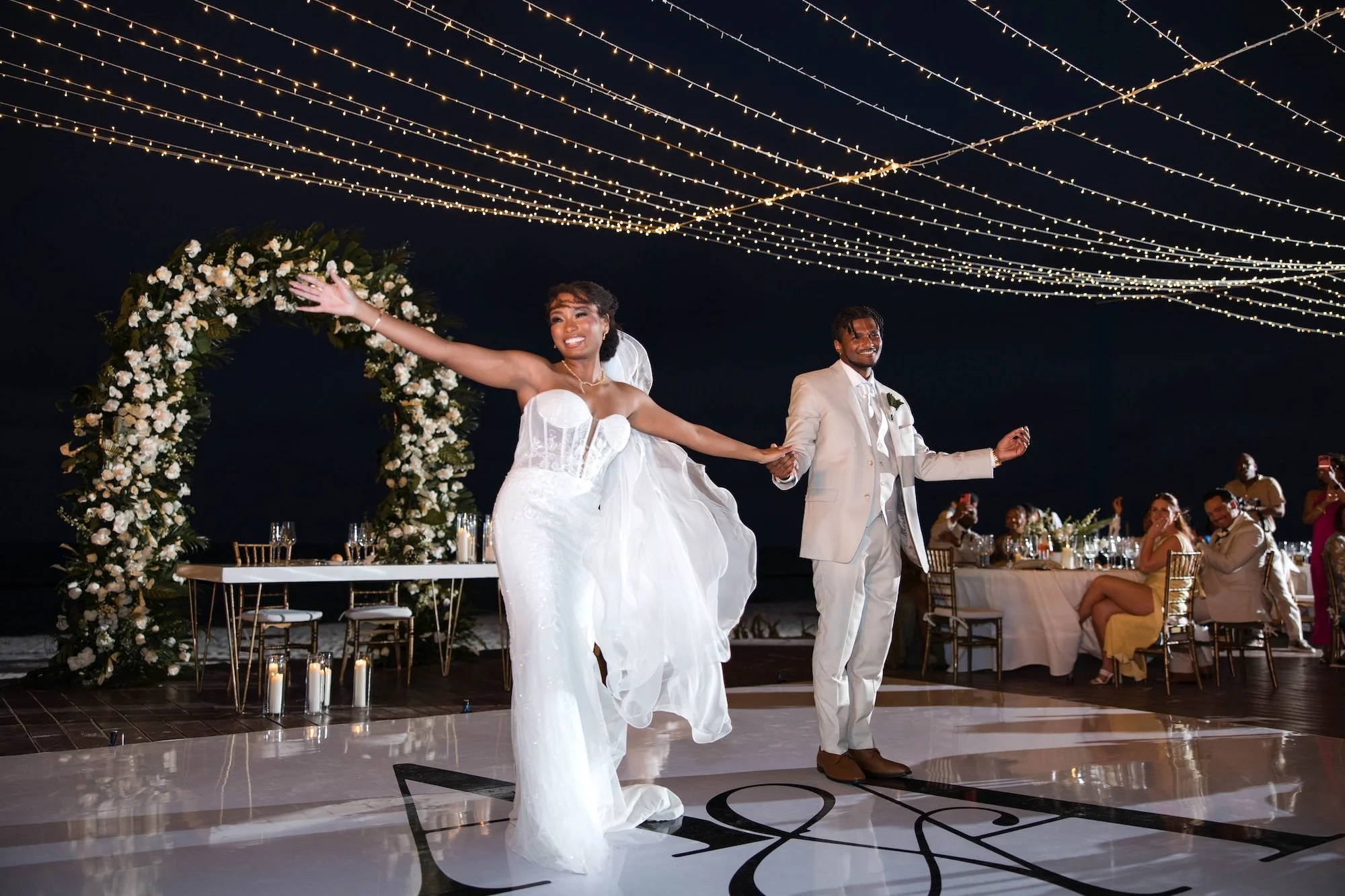
Styling Your Party for Maximum Impact
If you want to fully commit to the editorial flash look, the visual elements you incorporate into your reception matter immensely. Direct flash heavily emphasizes textures, stark contrasts, and reflective surfaces. Hanging multiple mirrored disco balls above your dance floor or opting for a massive champagne tower pour will create stunning light reflections in your final images. Even smaller details, like throwing on metallic fringe jackets or wearing heavily beaded reception gowns, catch the flash brilliantly and add a layer of luxury to the frame.
Wardrobe changes also play a massive role in selling this high-fashion atmosphere. Top-tier wedding blogs like Over The Moon frequently highlight how couples use a second look to signal the transition from a formal dinner to a wild, uninhibited party. Throwing on a pair of dark shades while I fire a direct flash completely nails that celebrity-after-party vibe.
Why You Need an Expert Behind the Lens
Executing this idea correctly requires far more technical skill than simply turning on a flash and hoping for the best. It is incredibly easy to overexpose the subject, completely washing out your faces, or miss the focus entirely in a dark, fast-moving crowd. A true professional understands how to balance their shutter speed to allow just enough ambient light into the lens, combining sharp, frozen moments with intentional, artistic motion blur. This is not a technique you want someone attempting for the first time on your wedding day.
Your reception is the climax of your entire destination wedding experience, and the photos should reflect that incredible peak of energy. I am Evan Whitney, and my team at Arch Wedding Studio knows exactly how to transition from the romance of the sunset to the electric vibe of the night. If you want a destination wedding photographer in Cancun who will document your party like an elite fashion event, we need to talk. Head over to my inquiry page to share your timeline and secure your date today.
Flying to Mexico with Wedding Decor: How to Get Through Customs Without Paying Heavy Taxes
You finally landed in Cancun. You are exhausted from the early morning flight, but the excitement is building as you walk toward the baggage claim. Your resort shuttle is waiting outside, and you are just moments away from officially starting your wedding week. Then, a security officer directs you to a stainless-steel table, unzips your three massive duffle bags, and asks why you are bringing seventy-five custom tote bags and dozens of personalized tumblers into the country. Before you know it, you are being hit with a massive import tax that easily blows through your carefully planned budget.
As the founder and lead photographer of Arch Wedding Studio, I see couples fall into this trap constantly. I am Evan Whitney, and my job is to ensure your entire wedding experience is smooth, which often means helping you avoid logistical nightmares long before I pick up my camera. The Mexican customs process is strict regarding commercial goods, and wedding favors are heavily scrutinized. If you read my approach on my about page, you know I prioritize a stress-free environment for my couples. Let us break down exactly how you can legally bring your decor into the country without facing surprise fines.
Your Tax-Free Allowance
Every international traveler entering Mexico by air is entitled to a tax-free allowance known as the franquicia. Currently, this rule allows you to bring in up to $500 USD worth of goods beyond your standard personal luggage without paying any import taxes. This regulation is strictly enforced by the Mexican Customs Administration to prevent individuals from importing items to sell without paying proper commercial tariffs. If your extra items stay under this monetary limit, you are legally clear to bring them into the country without penalty.
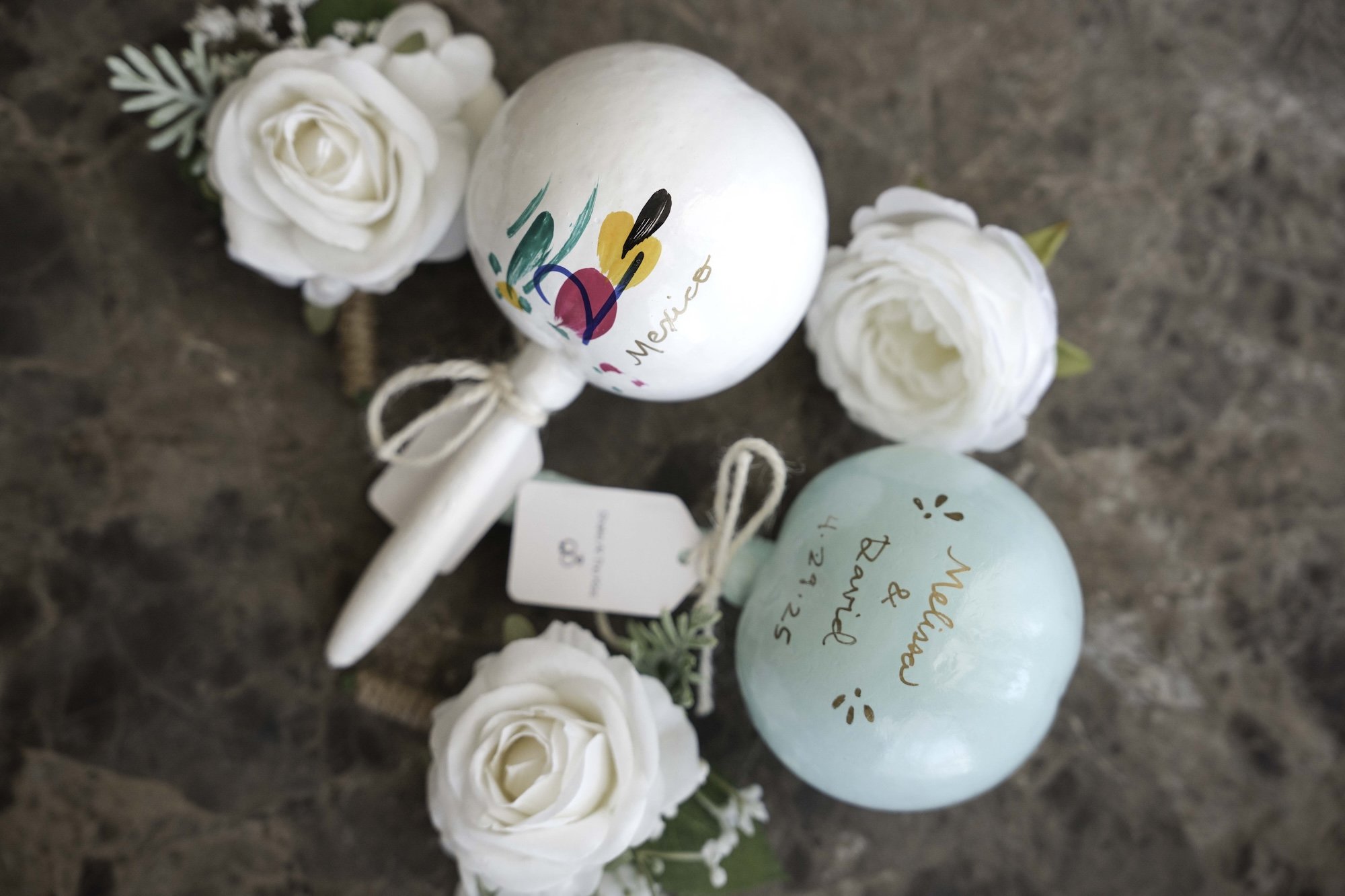
The problem arises when customs officials perceive your items as commercial inventory rather than personal use. If you pack a hundred identical customized sunglasses, fifty maracas, and a large box of neon signs, officers will immediately assume you are importing items for a commercial event or retail. Once your bags are flagged as commercial goods, you can be charged a heavy import tax—often 16% or more of the item's perceived value—or in worst-case scenarios, have the goods confiscated entirely until a broker gets involved.
The Infamous Airport Luggage Scanners
If you are flying into Cancun International Airport or Los Cabos, your luggage will eventually go through the random selection scanners before you exit the terminal. Even if you press the button and get the green light, security personnel actively monitor the baggage area. If you are hauling large, suspicious-looking cardboard boxes instead of standard rolling suitcases, the guards will likely bypass the random light system and direct you straight to the secondary search tables.
During a secondary search, the officers will unpack your bags and scrutinize multiples of the same item. If you tell them you are hosting a wedding, they instantly know you are bringing in event supplies. When you hire an experienced destination wedding photographer in Cancun, you learn these insider realities quickly. Honesty with border officials is mandatory, but over-explaining your sixty personalized luggage tags will almost certainly trigger a heavy tariff calculation on the spot.
Strategic Packing and Keeping the Receipts
The most effective way to avoid these surprise fees is to distribute your decor and favors across the suitcases of your bridal party and family members. Giving each bridesmaid ten welcome bags to pack in their checked luggage significantly reduces the chances of anyone exceeding the $500 threshold or looking like a commercial importer. It requires a bit of coordination at your hometown airport, but distributing the volume across ten different travelers saves hundreds of dollars upon arrival.
You must also carry physical, printed receipts for every single wedding item you pack. Customs officers have the authority to assign their own estimated retail value to your goods if you cannot prove exactly what you paid for them. Keep a neatly organized folder containing your printed invoices in your carry-on bag. Additionally, make sure to remove all retail price tags and original store packaging from the items before you pack them, further proving these are personal gifts and not retail inventory intended for reselling.
Knowing When to Source Locally Instead
Sometimes, the sheer volume or weight of what you want to bring makes the risk of customs fines entirely unavoidable. If you are planning elaborate tablescapes, custom acrylic seating charts, or heavy centerpiece structures, hauling them on a commercial flight is a massive logistical error. In these cases, it is far more practical and cost-effective to rent these items from local Riviera Maya event rental companies rather than paying excess baggage fees and customs tariffs.
Mexico boasts an incredibly talented network of artisans and high-end rental houses that can provide everything from customized welcome signage to elaborate floral installations. According to guides on Brides.com, utilizing local vendors not only eliminates airport stress but also guarantees the decor arrives at your venue safely. You can view examples of gorgeous, locally sourced setups on my main portfolio page, proving that you do not need to import everything yourself to achieve a highly curated, luxury wedding decor.
Focus on Your Experience, Not the Luggage
Your arrival in Mexico should kick off a week of celebration, margaritas, and relaxation by the pool with your favorite people. Getting detained in a fluorescent-lit airport security room while arguing over the exact tax value of custom koozies is a terrible way to start your wedding weekend. By packing smart, distributing the load among your guests, and leaning on local vendors for larger items, you bypass the airport headache entirely.
Capturing the authentic joy of your trip is my ultimate priority. I am Evan Whitney, and the entire team at Arch Wedding Studio is dedicated to making sure your destination wedding photography is as flawless as your planning process. If you are searching for a modern, editorial destination wedding photographer in Cancun to document your entire experience, let us connect. Visit our inquiry page to share your vision and secure your 2026 or 2027 date today.
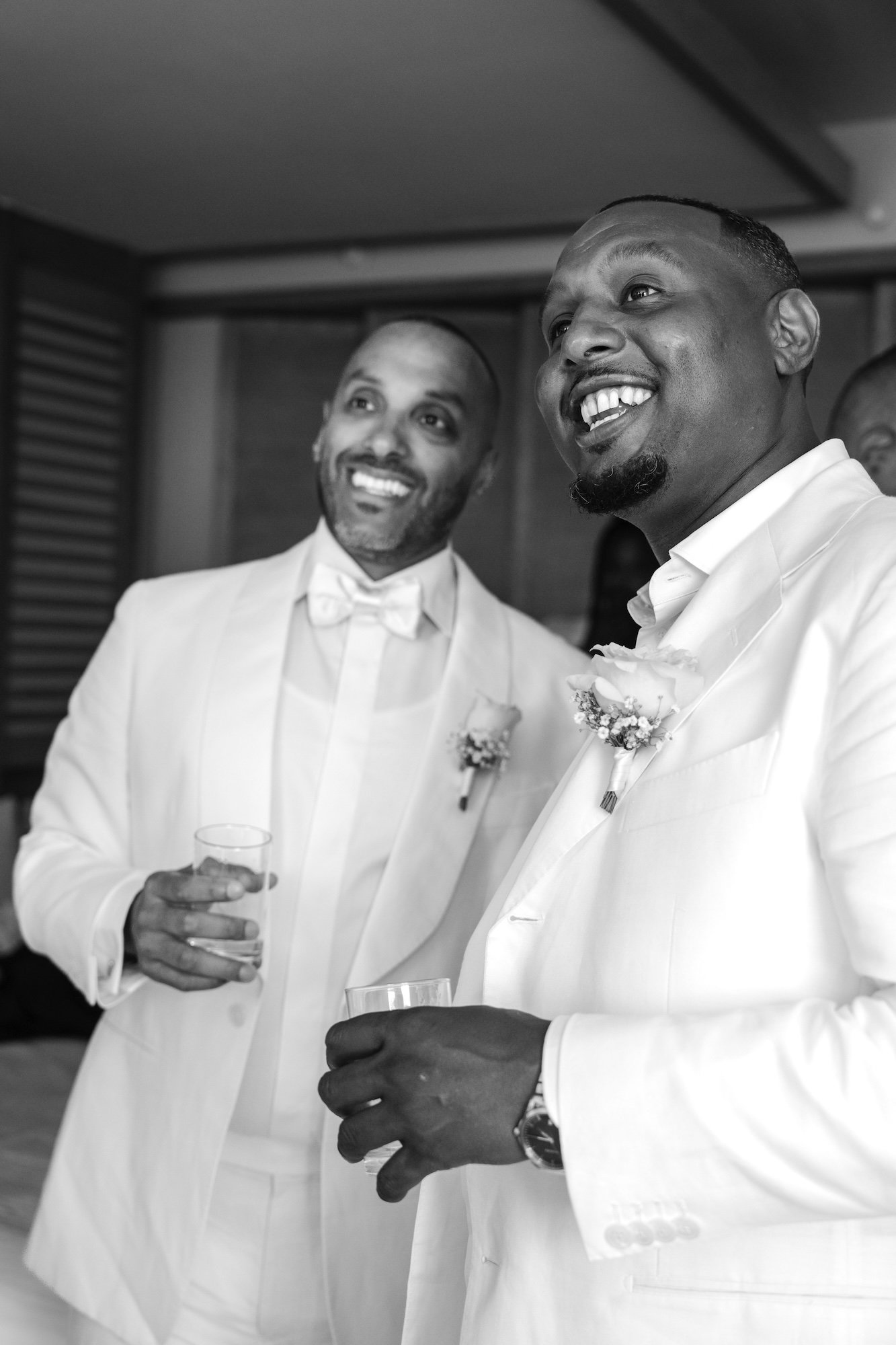
How to Create the Ultimate Cigar and Scotch Groom’s Lounge
When planning a wedding, the focus naturally drifts toward the floral arrangements, table linens, and the event timeline. However, couples are increasingly looking for ways to inject distinct, personalized experiences into their reception that cater equally to both sides of the bridal party. A dedicated space for the groom and his closest friends to step away from the loud music and share a quiet moment is one of the most requested trends I am seeing this year. As the founder of Arch Wedding Studio, I get a front-row seat to the best reception ideas, and setting up a cigar and scotch lounge is easily one of the most impactful upgrades you can make to your floor plan.
I am Evan Whitney, and I have photographed hundreds of luxury events along the Mexican Caribbean coast. I can confidently tell you that creating a lounge is not just about having a place to drink; it is about cultivating a highly specific atmosphere. It gives the groom a focal point to host his groomsmen, fathers, and uncles away from the main crowd. If you read my philosophy on my about page, you will see that I thrive on capturing authentic, unscripted moments. A moody, well-designed cigar bar provides the absolute perfect environment for capturing that genuine camaraderie.
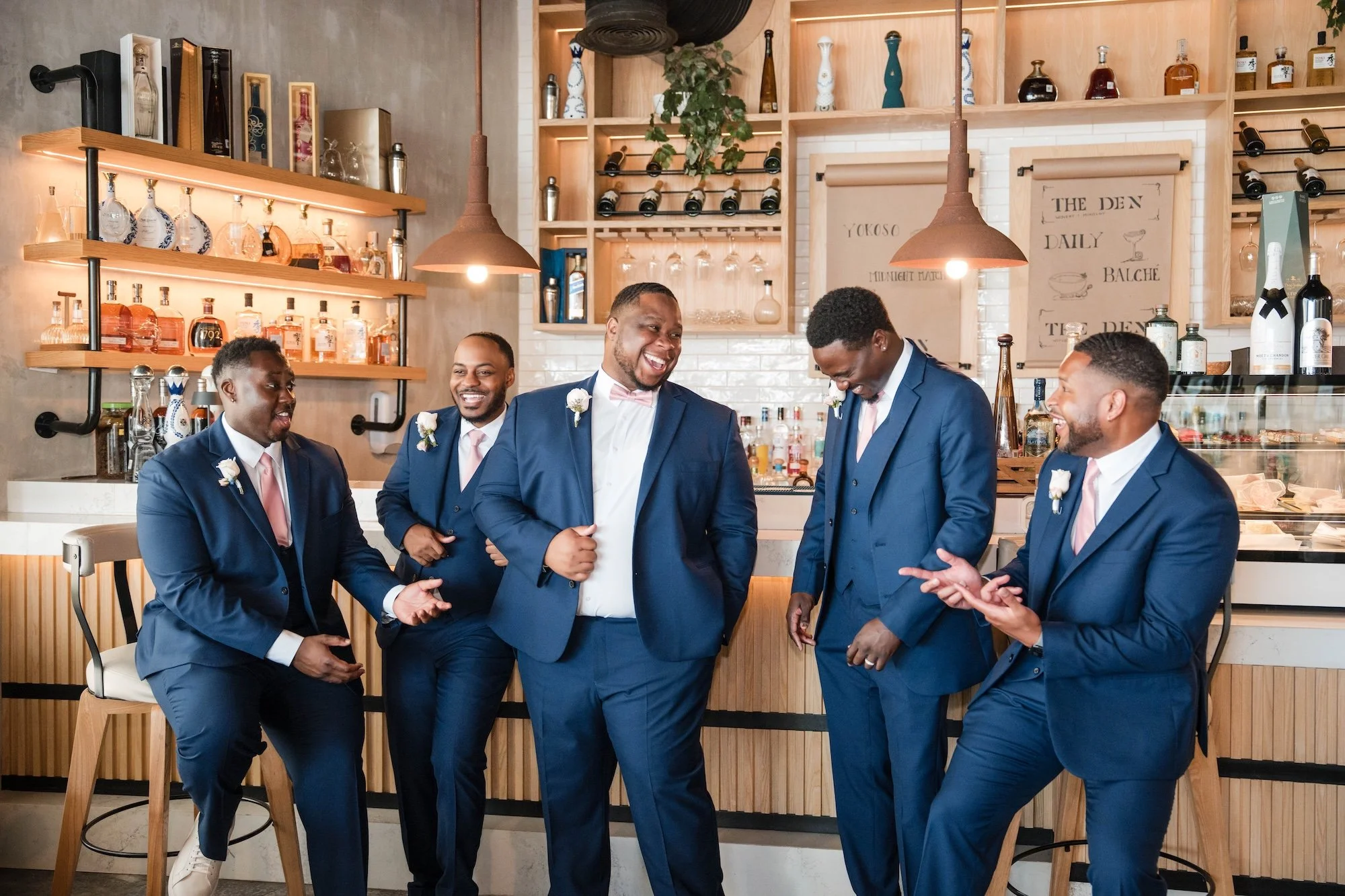
Curating the Right Selection of Spirits and Cigars
Sourcing your inventory requires logistical planning when you are marrying in Mexico. The easiest route is negotiating with your venue’s catering team to supply premium bottles, but if you have a specific, rare scotch in mind, you will likely need to bring it yourself. Mexico has strict duty-free limits on alcohol imports, currently capped at three liters per adult passenger. If your lounge requires a higher volume, you must coordinate with your guests to distribute the bottles across multiple checked bags to avoid paying heavy taxes at the customs checkpoint.
For cigars, you have a unique advantage being in Mexico: legal access to authentic Cuban brands. Unfortunately, the market is heavily saturated with counterfeit products, especially in tourist-heavy areas like Playa del Carmen and Cancun. Instead of buying from a vendor on the beach, direct your wedding planner to purchase exclusively from reputable, authorized dealers like La Casa del Habano, which guarantees authenticity. Pairing a genuine Montecristo or Cohiba with a high-aged single malt instantly elevates the entire lounge from a basic add-on to a memorable tasting experience.
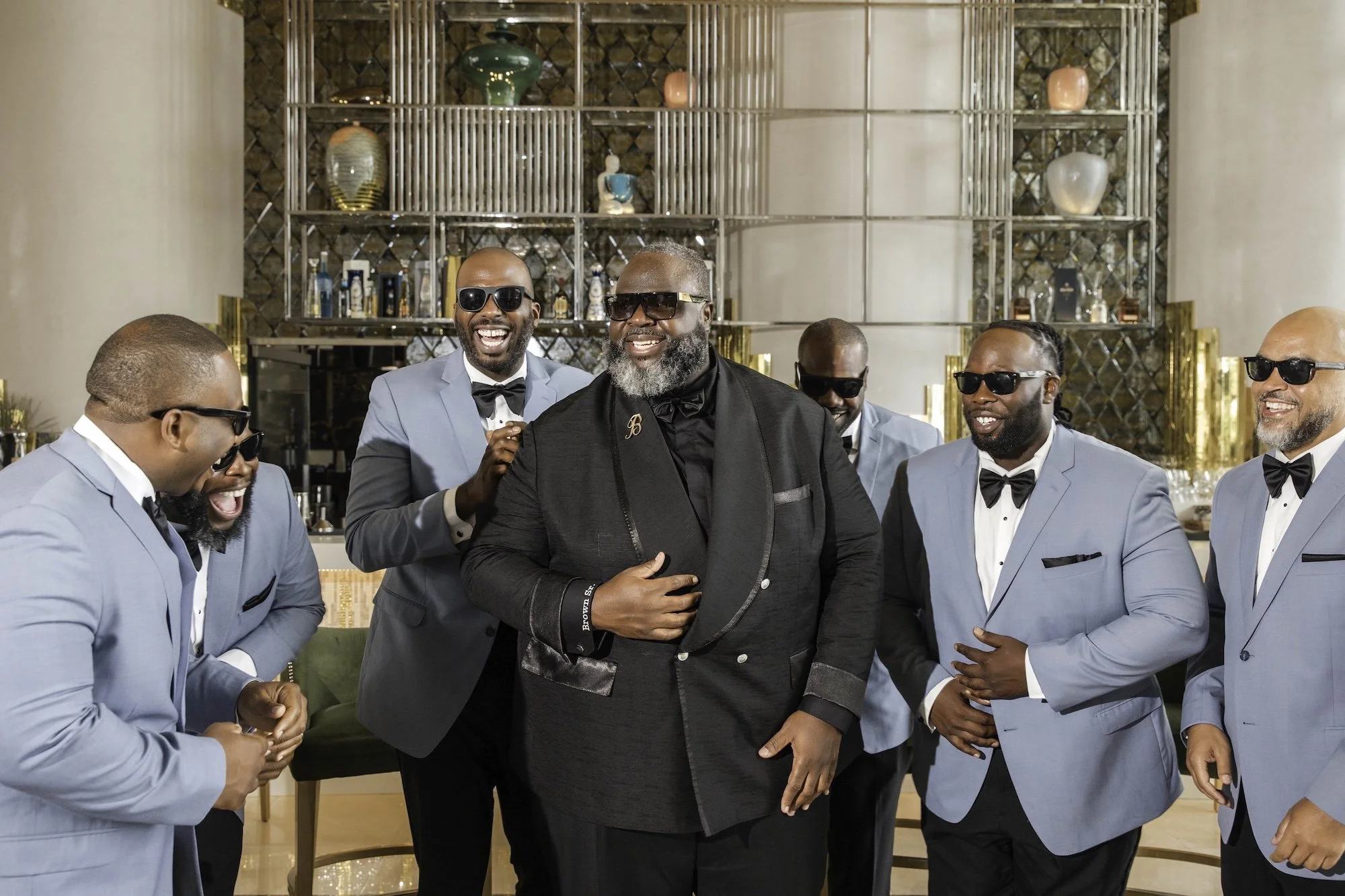
Designing the Space for Comfort and Photos
The visual appeal of your lounge is just as important as the items you are serving. You want to create a distinct, masculine atmosphere that contrasts with the main reception decor while remaining cohesive with your overall venue architecture. Ask your rental company to source heavy leather Chesterfield sofas, vintage wooden side tables, and warm, amber lighting to set a relaxed tone. Placing this furniture setup on the outer edge of your reception space allows guests to converse without shouting over the DJ, while still feeling connected to the energy of the main party.
From my perspective behind the lens, this setup is an absolute goldmine for editorial portraits. The smoke catching the ambient light, the clinking of heavy crystal glasses, and the relaxed posture of your guests translate into highly cinematic photos. When you hire an experienced destination wedding photographer in Cancun, we know exactly how to utilize direct flash and creative lighting to capture the texture and vibe of this space. This ensures your final gallery has a rich, sophisticated variety rather than just standard dance floor shots.
Resort Regulations and Setup Fees
Before you purchase a single bottle or box of cigars, you must clear the concept with your resort or private villa management. All-inclusive resorts maintain strict protocols regarding outside food and beverage, and bringing your own top-tier scotch often incurs a high corkage fee per bottle. You need to weigh this fee against the cost of upgrading your entire bar package through the hotel to determine which option makes the most financial sense for your specific guest count.
Fire regulations are another massive factor, particularly if your reception takes place under a thatched palapa roof or near protected coastal vegetation. Most venues require cigar smoking to happen in open-air, designated zones far away from dry brush or wooden structures. Furthermore, bringing in an outside cigar roller—a highly popular interactive entertainment option—will almost always trigger an outside vendor fee. Planning ahead and cross-referencing your resort's policies with resources like Destination Weddings Travel Group will prevent surprise charges from ruining your budget.
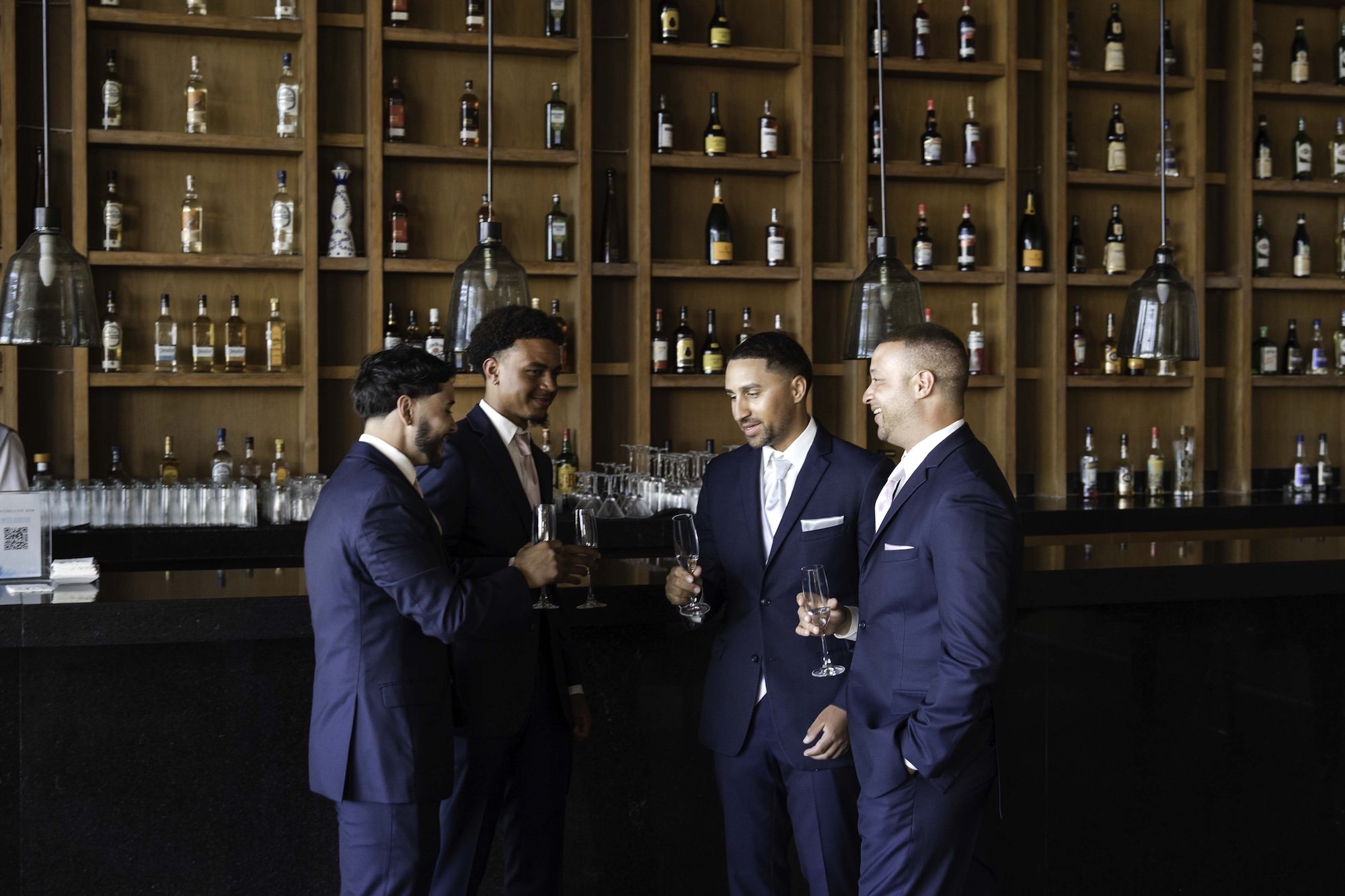
Executing Your Vision with the Right Team
Adding a specialized lounge to your Riviera Maya reception is a proven way to make your event stand out from standard destination weddings. It provides an interactive element that guests genuinely appreciate, offering a slower, conversational pace amidst the high energy of a reception. When the night ends and the dance floor clears, the photos of you and your closest friends sharing a rare pour and a great smoke will undoubtedly be some of the most cherished images you print.
Executing these elevated details requires a team that knows how to document them properly without interrupting the flow of the evening. At Arch Wedding Studio, we focus on capturing the energy, style, and luxury of your carefully planned events. If you are ready to secure a destination wedding photographer in Cancun who understands how to photograph a dark, moody reception just as well as a bright beach ceremony, let us connect. Visit my inquiry page to check our availability and secure your date today.
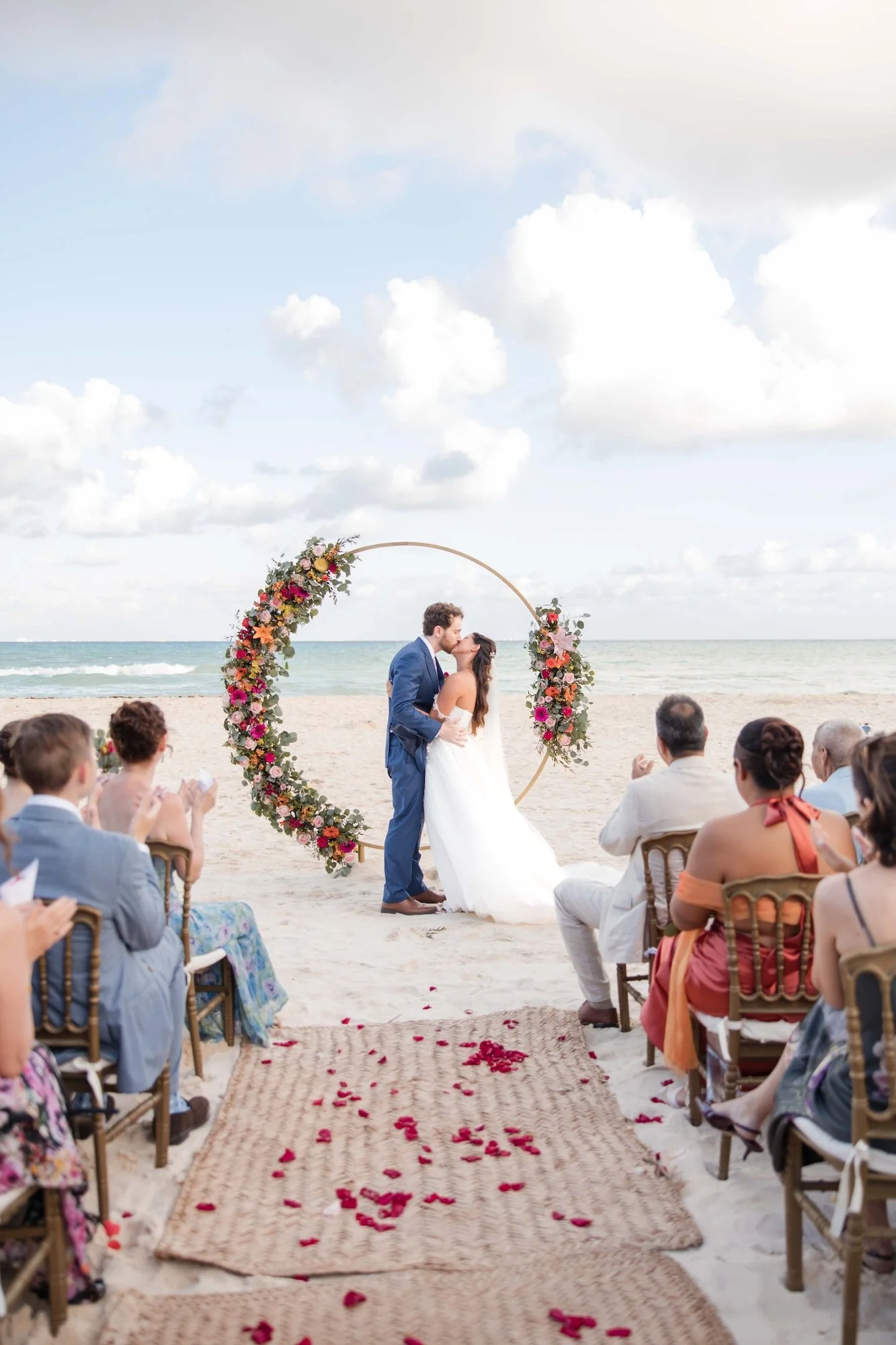
Sargassum and Your Riviera Maya Wedding: A Guide to Perfect Beach Photos During Seaweed Season
You just booked your flights, secured your resort, and started drafting your event timeline. Then, a quick search on social media or a casual scroll through a bridal forum brings your excitement to a screeching halt. The dreaded word: Sargassum. Suddenly, your vision of pristine, white-sand ceremonies is replaced by images of brown seaweed piling up on the shoreline. As the founder and lead photographer behind Arch Wedding Studio, I completely understand the panic that sets in when you realize nature might not cooperate with your mood board.
Take a deep breath. I am Evan Whitney, and I am here to tell you that this natural phenomenon is not going to ruin your day, nor will it ruin your final gallery. Over the years, I have navigated some of the heaviest seaweed influxes this coastline has ever seen, and my couples still walk away with striking portraits. By understanding how the seasons work, knowing what to expect from your venue, and hiring an experienced team, you can completely sidestep this issue. You can read more about my approach to problem-solving on my about page, but right now, let us focus on saving your beach portraits.
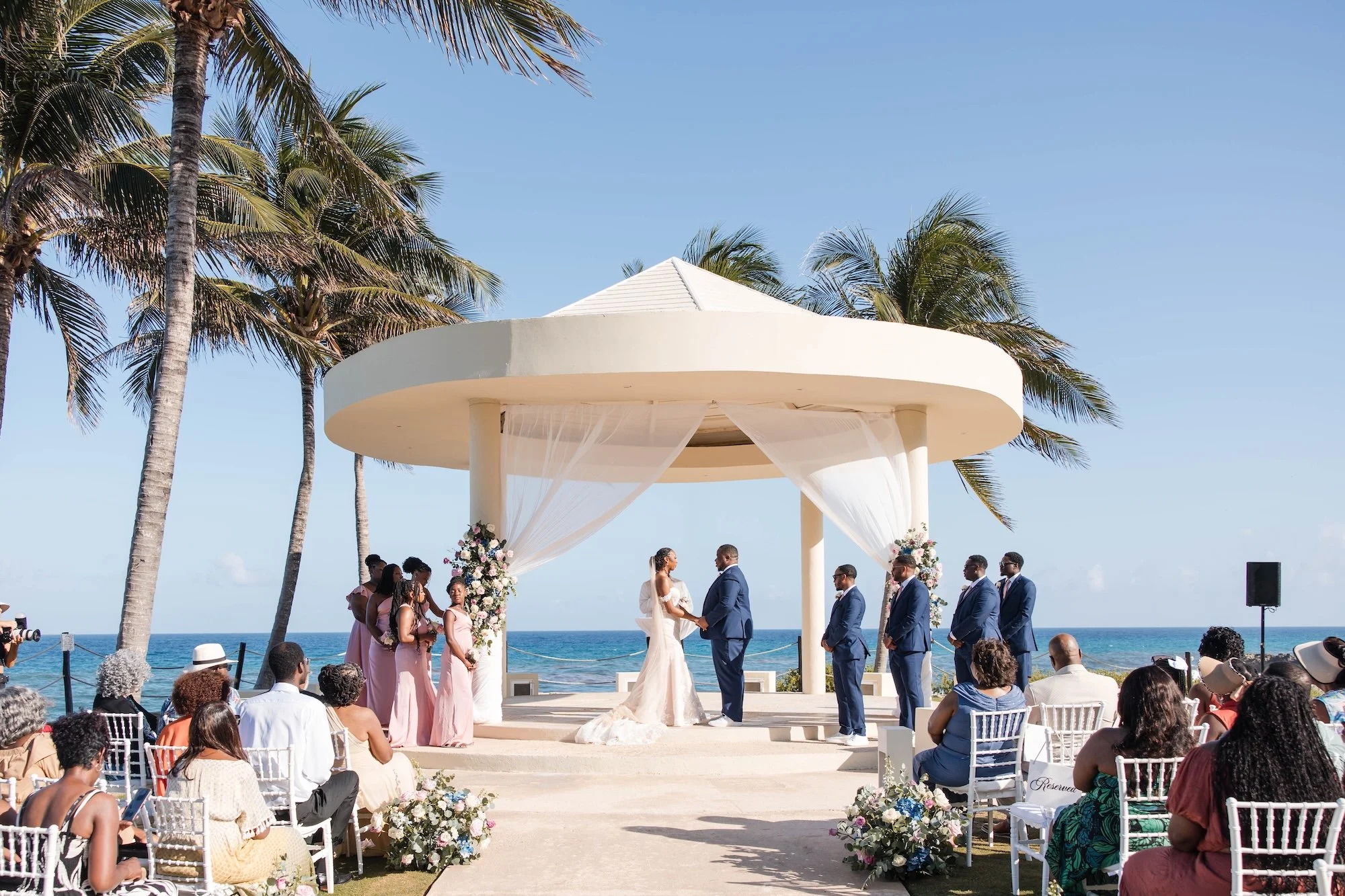
The Sargassum Timeline
Before we talk about working around it, we need to understand what we are dealing with. Sargassum is a naturally occurring, floating brown macroalgae that blooms in the Atlantic Ocean and washes up on Caribbean shores. According to the scientists at NOAA, it is actually a vital habitat for marine life while out at sea. However, when ocean currents push massive mats of it onto the Riviera Maya beaches, it creates an eyesore and a distinct odor as it begins to decay in the Mexican sun.
The influx is highly seasonal and heavily dependent on ocean temperatures and shifting currents. While no one can predict nature with complete accuracy, the heaviest seaweed deposits typically arrive between May and October, driven by warmer waters. If you are planning a winter or early spring wedding—from late November through April—your chances of encountering clear, pristine shorelines are significantly higher. If your date falls right in the middle of summer, knowing what the algae actually is helps you prepare practically rather than worrying needlessly.
How Riviera Maya Resorts Handle the Influx
You are not the only one concerned about the appearance of the beach. The luxury resorts spanning the coast from Cancun down to Tulum rely on clear shores to keep their guests happy. Because of this, hospitality groups invest millions of dollars into mitigation efforts. During peak season, resort staff are out on the sand with specialized tractors and rakes long before sunrise, physically removing the overnight accumulation before most guests even wake up for breakfast.
Many of the higher-end properties have also installed offshore barriers. As detailed in recent TBC reports, these heavy-duty netting systems sit a few hundred yards out in the water to catch the algae before it ever hits the sand. While no system is entirely foolproof during a massive surge, booking a resort that actively uses these offshore barriers will drastically reduce the amount of visual clutter we have to deal with during your ceremony.
Photography Tricks to Beat the Brown Backgrounds
Even if your venue struggles to keep the sand completely clear, a skilled photographer knows exactly how to manipulate the environment. My primary strategy involves creative framing and understanding compression. Instead of shooting wide, sweeping landscapes that highlight the debris, I use longer lenses to compress the background, throwing the sand out of focus and keeping the absolute attention on you. I will also position you closer to the water and shoot from a lower angle, cutting the immediate shoreline out of the frame entirely and filling the background with the blue horizon.
Post-production is the final layer of defense. While removing massive piles of seaweed from a hundred different images is not practical, I can easily clean up the sand in your most important, frame-worthy portraits. When you hire an experienced destination wedding photographer in Cancun, you are paying for this exact expertise. I know how to expose the bright Caribbean sky while keeping the distracting ground elements minimal, ensuring the final product looks intentional and polished.
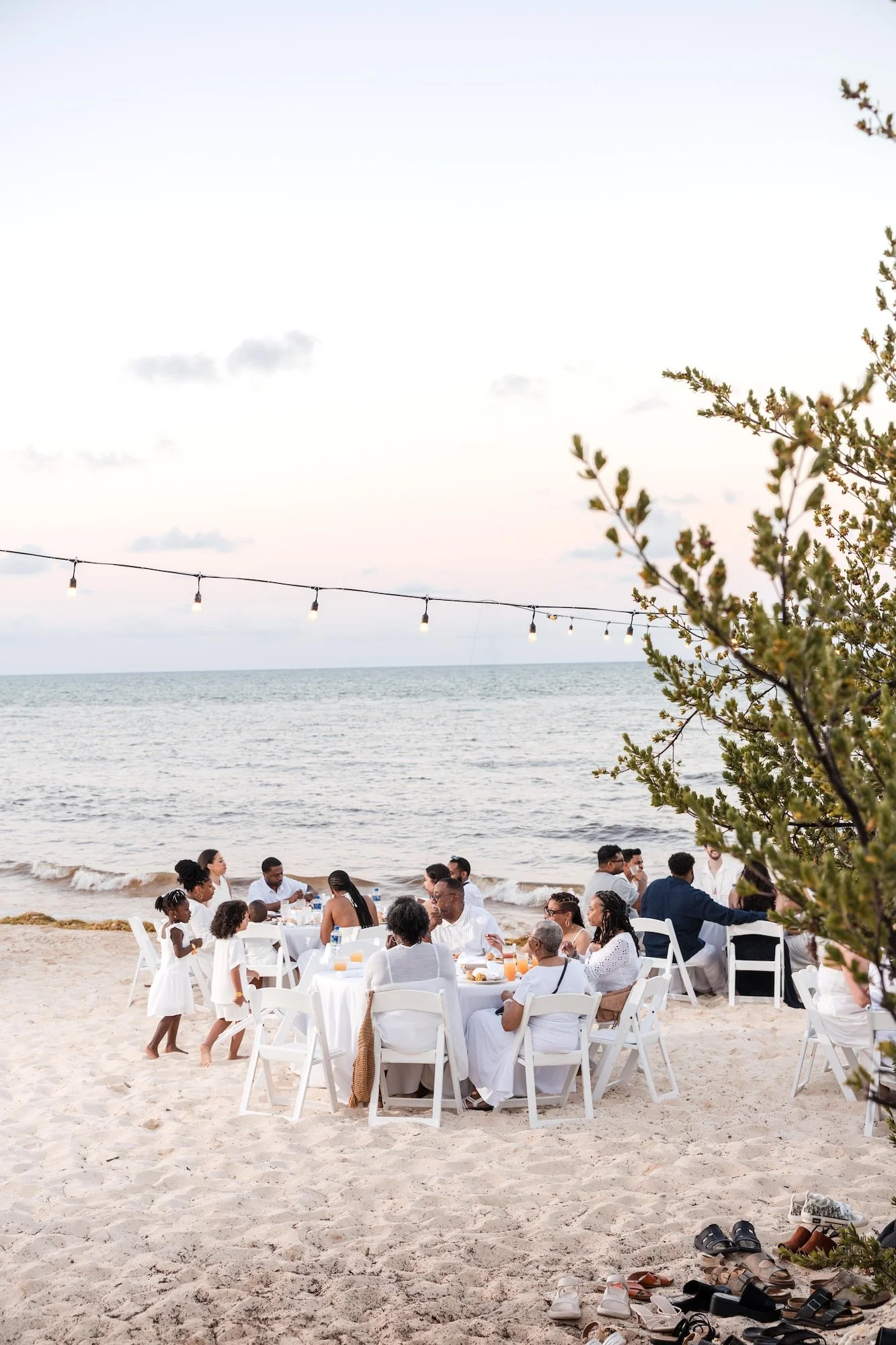
Look For Alternative Venues Within Your Resort
One of the best ways to completely bypass the sargassum problem is to reconsider where your events actually take place. Beach ceremonies are iconic, but sand and ocean breezes come with their own set of logistical challenges beyond just seaweed. Most luxury properties in Mexico feature incredible alternative locations. Think about utilizing lush jungle garden terraces, dramatic rooftop spaces overlooking the water, or modern architectural courtyards.
Moving your portraits away from the sand often yields a more diverse final gallery. The Visit Mexico tourism board constantly highlights the region's dynamic cenotes and contemporary resort architecture for a reason. Taking your couple's portraits deep in a palm grove or against a sharp, minimalist concrete wall creates a sophisticated vibe that heavily contrasts with standard beach shots. We can always step onto the sand for five minutes to get that iconic ocean shot, then spend the rest of our time in more controlled environments.
Let's Plan Your Day with Confidence
Planning a wedding in another country means accepting that you cannot control every environmental factor. The weather, the wind, and the ocean currents will do whatever they want on your wedding day. What you can control is the team you hire to stand beside you. When you work with vendors who understand the region and anticipate these challenges, you shift your focus back to where it belongs: celebrating with the people who flew across the world for you.
You deserve an experience free of stress and a gallery that reflects exactly how you felt on your wedding day. I am Evan Whitney, lead photographer at Arch Wedding Studio, and my team specializes in delivering high-end, flawless imagery regardless of what the tide brings in. If you are looking for a reliable, creative destination wedding photographer in Cancun, I would love to hear your vision. Head over to our inquiry page to check our availability and start planning today.

The Best Suit Fabrics for a Mexican Beach Wedding (That Actually Hide Sweat)
Many grooms focus entirely on the fit of their suit and completely ignore the material. Standing on a coastline in Mexico at four in the afternoon is hot. If you wear a heavy synthetic blend designed for a northern winter, you will overheat immediately. This physical discomfort translates directly to the camera. At Arch Wedding Studio, I constantly see guys adjusting heavy jackets, wiping their foreheads during vows, and looking miserable simply because they bought the wrong fabric.
You need attire that breathes, holds its structure, and masks the reality of a tropical climate. Getting married in a place like the Riviera Maya requires strategic clothing choices for the guys just as much as for the bridesmaids. You cannot pack the standard polyester-blend tuxedo you rented for a local event and expect it to perform on the sand. Here is a breakdown of the best suit fabrics for a beach wedding so you stay cool and look sharp from the first look to the final dance.
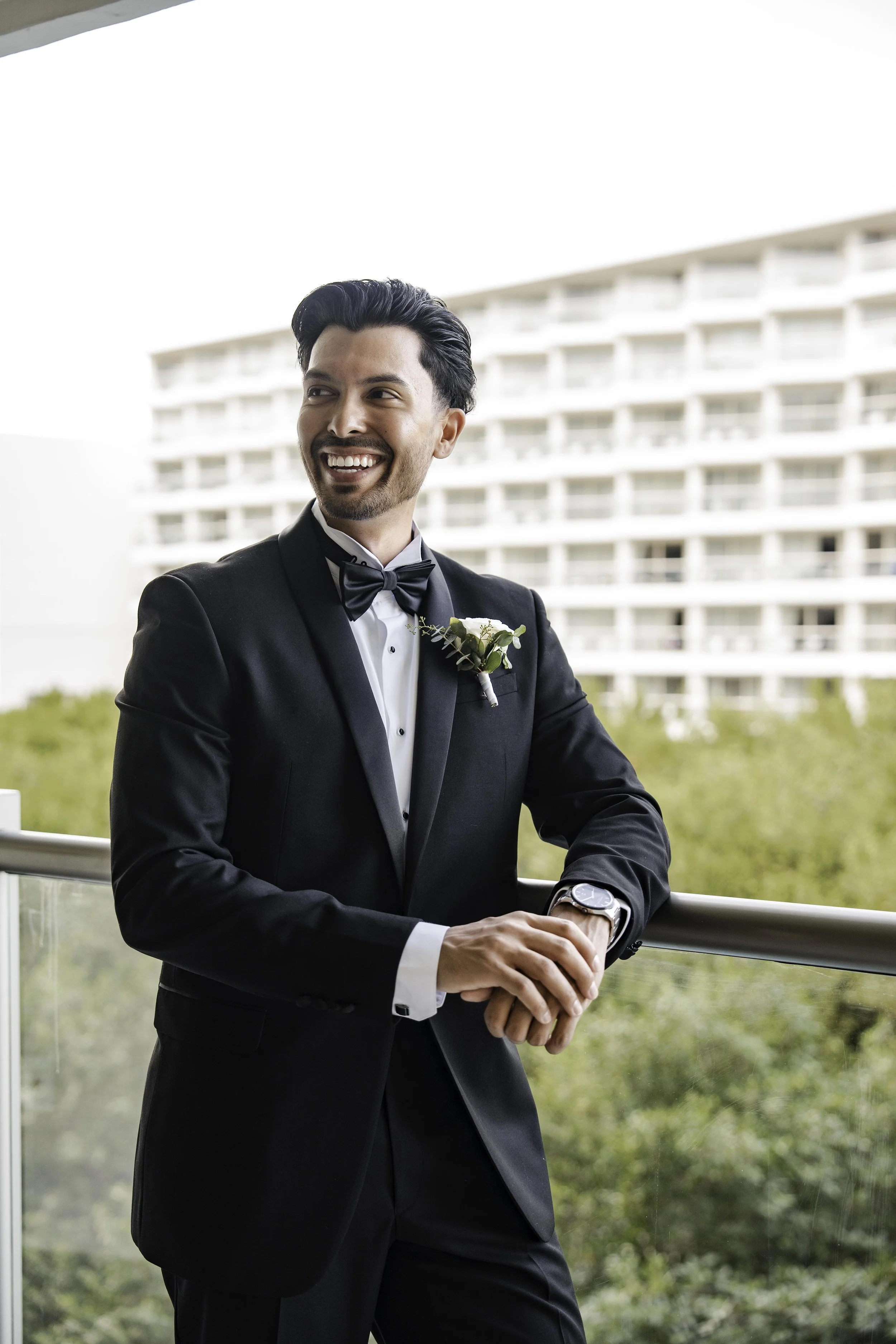
The Reality of Wearing Linen
Linen stands out as the most requested fabric for coastal weddings. It allows maximum airflow, keeping your core body temperature down while standing directly in the sun. The loose weave means any ocean breeze cuts right through the material, providing immediate relief. For a relaxed, coastal wedding, a high-quality linen suit visually matches the tropical environment perfectly.
However, choosing 100 percent linen comes with a strict warning. It wrinkles instantly, and light-colored linen shows sweat the moment moisture hits the fabric. If you sit down for the car ride from your resort to the venue, the pants will crease heavily across your lap. To get the breathability of linen without the extreme wrinkling, look for a linen-wool or linen-silk blend. This gives you the textured, casual look you want while retaining enough structure to look clean in your formal portraits.

The Secret Weapon: Tropical Wool
Mentioning wool for a beach wedding usually gets a quick objection from most guys. People associate wool with heavy winter coats and thick sweaters. "Tropical wool" or high-twist wool alters that expectation completely. This material uses loosely woven, highly twisted yarns that allow air to flow freely while maintaining a crisp, tailored silhouette that resists wrinkling all day.
As a destination wedding photographer in Cancun, I highly recommend tropical wool because it photographs incredibly well. It refuses to crease, meaning you look just as put-together during the late-night reception as you did walking down the aisle. Natural wool actively wicks moisture away from the body. It pulls sweat away from your skin and evaporates it quickly, making it far superior to any synthetic or cotton option for heat management.

Cotton Blends and Seersucker Options
Cotton presents a reliable, accessible option for grooms wanting a lightweight feel. A structured cotton chino suit looks clean, modern, and highly appropriate for a luxury resort setting. It costs significantly less than custom tropical wool and offers a great middle-ground for breathability. Because cotton absorbs moisture quickly, selecting a medium-weight blend helps prevent the suit from clinging to your body once the coastal humidity rises.
If you prefer a classic, slightly preppy visual, seersucker remains a highly effective choice for extreme heat. The signature puckered texture of seersucker naturally sits away from the skin, promoting constant air circulation. GQ’s summer suiting guides consistently rate seersucker as a top performer for humid environments. While the traditional blue-and-white stripe might feel too casual for an evening event, many designers now offer seersucker in solid navy or black for a more refined, formal appearance.

How Color Choice Hides the Damage
Fabric type handles the physical temperature, but your color choice dictates what the camera actually records. A light gray or pale blue suit acts like a blank canvas for moisture. If you sweat through a light-colored jacket or shirt, the fabric turns dark immediately. This creates highly visible patches under the arms and across the back that are incredibly difficult to edit out of hundreds of candid reception photos.
To mask sweat completely, lean toward very dark or very heavily textured colors. Navy, charcoal, and black hide moisture almost perfectly. If dark colors feel too heavy for an afternoon on the beach, choose a patterned fabric or a textured weave. The visual variation in a textured suit disrupts the eye, making damp areas far less noticeable. If you check out the groom portraits on my Weddings Gallery, you will notice the guys wearing textured or dark suits always look pristine regardless of the actual temperature.

Jacket Construction and Internal Layers
A breathable fabric completely fails if it features a heavy internal lining. Most off-the-rack suits contain a synthetic polyester lining that traps heat against your body like a plastic bag. When shopping for your wedding attire, you must specifically ask your tailor for an "unlined" or "half-lined" jacket. Removing this internal layer drastically reduces the overall weight of the garment and allows your chosen exterior fabric to actually breathe.
You also need to rethink the shirt underneath. A heavy, stiff dress shirt causes you to overheat before the ceremony even begins. Swap the traditional broadcloth for a lightweight poplin or a linen-cotton blend. Many grooms choose to skip the tie entirely, unbuttoning the top two buttons to increase airflow. Men's Health frequently notes that loosening the collar is the fastest way to drop your core temperature when wearing tailoring in direct sunlight.

Looking Sharp Without the Stress
Getting the attire right ensures you actually enjoy the afternoon instead of counting down the minutes until you can change clothes. You want a suit that works with the Mexican climate, not against it. By paying attention to the fabric, the lining, and the color, you set yourself up for a comfortable day and a flawless gallery.
I'm Evan Whitney, and I focus on keeping my couples looking sharp, relaxed, and natural while documenting their events. Browse the galleries on my main page to see how these fabric choices look in real coastal environments. If you are heading down south and need a photographer who knows exactly how to handle the heat, reach out.

"We Are Awkward on Camera": Posing Tips for Your Destination Wedding Portraits
Almost every inquiry call I take starts with the exact same confession. One or both partners will lean into the microphone and say, "Just so you know, we are incredibly awkward on camera." People assume everyone else is naturally photogenic and knows exactly what to do with their hands. The truth is, ninety-five percent of the couples I photograph have zero modeling experience and feel highly anxious about standing in front of a professional lens.
You are hiring a professional precisely because you do not know how to pose. It is my job to direct you, not your job to perform. At Arch Wedding Studio, my entire process revolves around dismantling that stiffness. Instead of treating your portrait session like a rigid editorial shoot, we treat it like an interactive date. Here is exactly how we handle camera anxiety so you receive natural, effortless images without feeling like a mannequin.
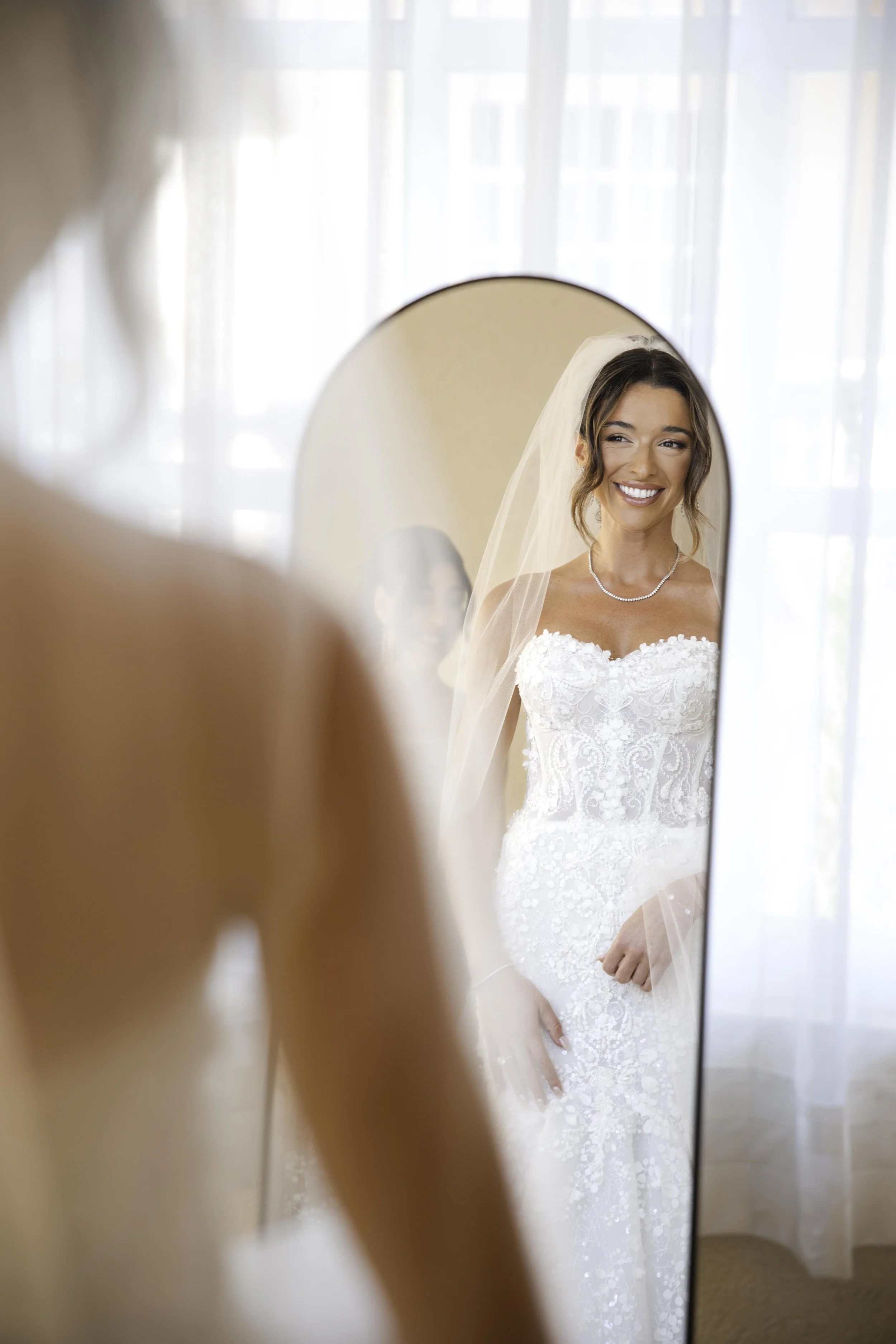
Replacing Static Poses with Constant Movement
Stiffness happens when you freeze. When a photographer tells you to hold a specific angle, your brain focuses entirely on maintaining that posture, which immediately makes your face look tense. To avoid this, I rely heavily on movement. If you are walking, spinning, or adjusting your partner’s jacket, your body naturally falls into a relaxed state. The physical action distracts your brain from the camera clicking in the background.
The Mexican landscape actually does half the work for us here. A beach setting inherently forces movement. Walking through soft sand is slightly difficult, and navigating a rocky coastline requires you to hold onto each other for physical balance. As a destination wedding photographer in Cancun, I use these environmental factors to keep you moving. We let the coastal wind hit your hair and your dress, creating dynamic action in the frame without you having to force a single pose.
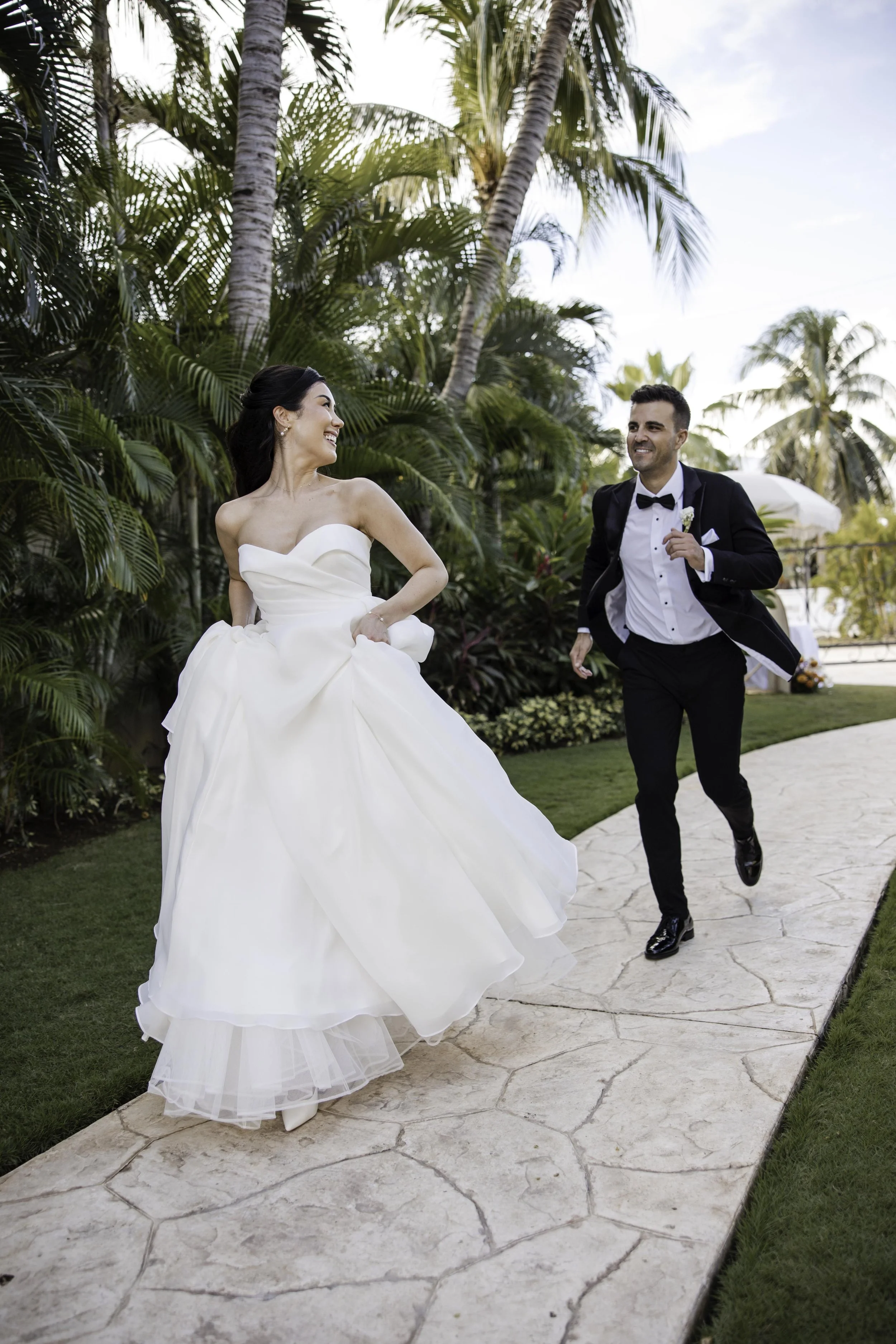
Using Prompts Instead of Commands
Traditional posing relies on strict commands: tilt your head, drop your chin, smile at me. I do not use this method. Instead, I use action-based prompts. I might ask you to walk toward me as if you are leaving a bar at closing time, or tell your partner to whisper their favorite cereal into your ear using a serious, dramatic voice. The goal is to provoke a genuine reaction rather than a manufactured expression.
When you are given a silly or engaging task, the awkwardness vanishes because you are interacting with your partner instead of the lens. You laugh because the situation is actually funny, not because I told you to smile on the count of three. This interaction forms the core of my shooting philosophy. If you read my About page, you will see that I prioritize your actual connection. The resulting photos show real chemistry, capturing exactly how you look when you are enjoying each other's company on a normal day.
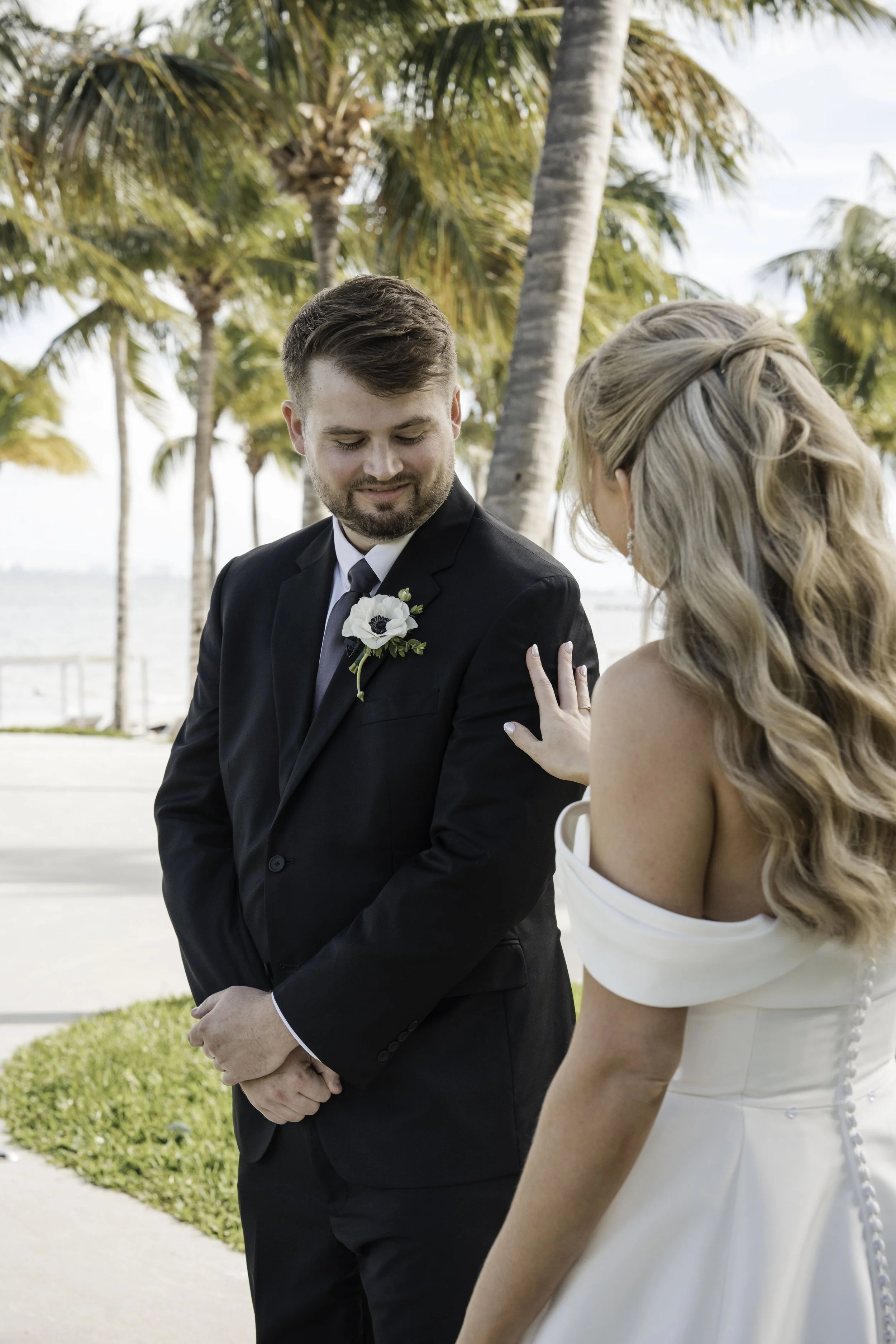
Focusing on Each Other, Not the Lens
One of the fastest ways to ruin a natural moment is to stare directly down the barrel of the camera. Unless we are taking the standard family formal photos for your parents to frame, I rarely want you looking at me. Prolonged eye contact with a camera lens feels confrontational and usually triggers a deer-in-the-headlights expression. I will constantly direct your attention back to your partner.
Looking at the person you are marrying lowers your heart rate and grounds you in the moment. I will ask you to look at their shoes, examine the ring on their finger, or rest your forehead against theirs and close your eyes. Crossroads outlines how sustained eye contact and physical touch directly reduce stress and build intimacy. Translating that science to a photo session means you stop feeling like a subject being documented and start feeling like a couple sharing a quiet moment away from the crowd.

The Value of a Practice Run
If your anxiety about the camera is severe, the absolute best remedy is a trial run. Booking an engagement session before the wedding day completely demystifies the process. It allows you to experience my direction firsthand in a low-stakes environment. You learn quickly that the session is painless, and you get to see how comfortable you both look in the final gallery long before the wedding day arrives.
Many couples schedule this session during their planning trip to Mexico. If that isn't possible, even a short session stateside helps break the ice. When I arrive on your wedding morning, we bypass the awkward introductory phase. You already trust me, and you already know that you do not need to stress about how you look. The Knot actively recommends engagement shoots specifically for this reason: it serves as a crucial rehearsal that drastically reduces wedding day nerves.
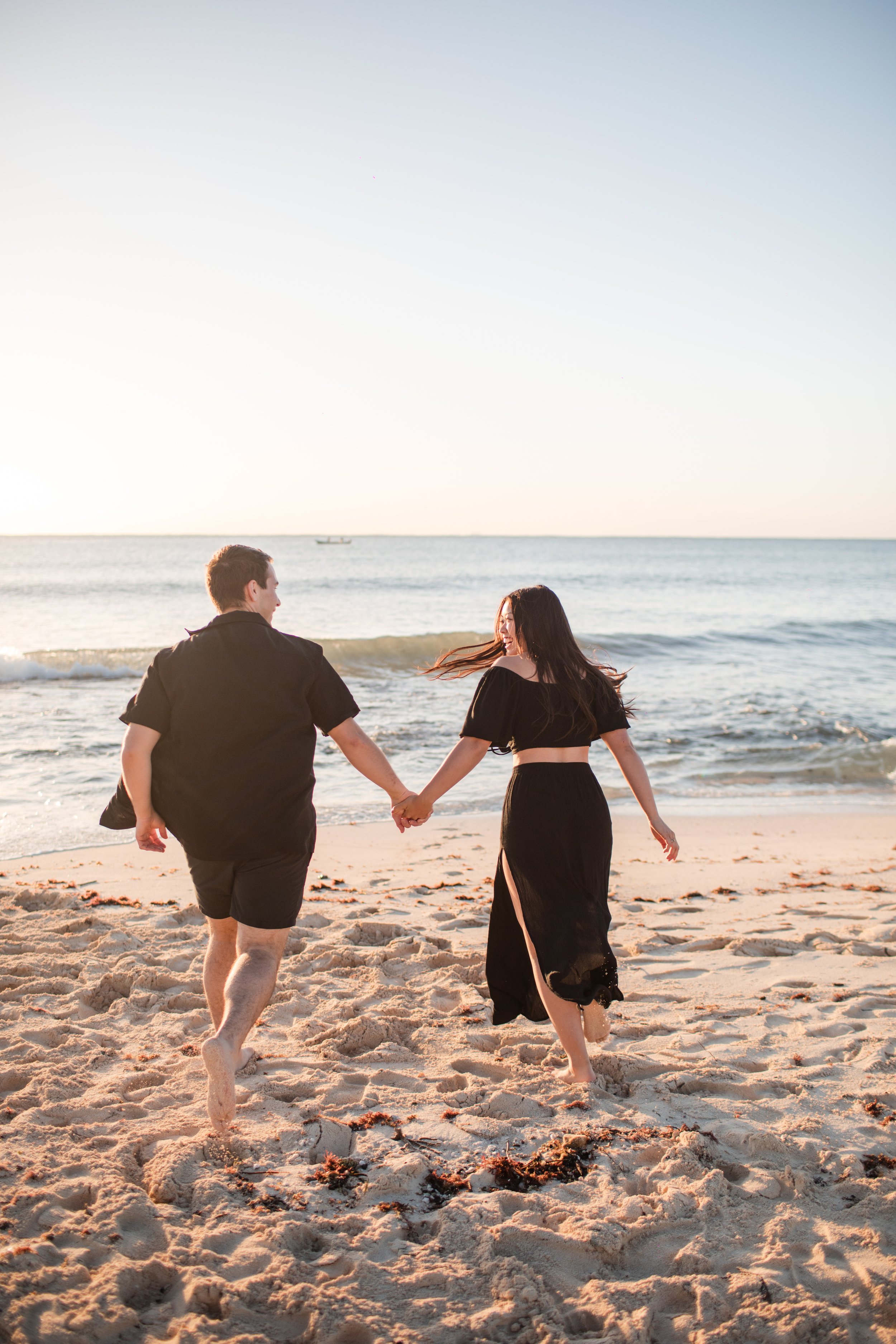
Enjoying the Process
Feeling awkward in front of a camera is a universal experience, but it should never dictate the quality of your wedding photos. You deserve a gallery filled with genuine, unforced moments that accurately reflect your personality. By focusing on movement, interaction, and trust, we eliminate the pressure of performing.
I am Evan Whitney, and my goal is to make you forget I am even taking photos. If you want a visual record of your destination wedding that feels entirely natural, take a look at the unposed moments on my main page. When you are ready to plan a stress-free portrait experience in Mexico, let's talk.
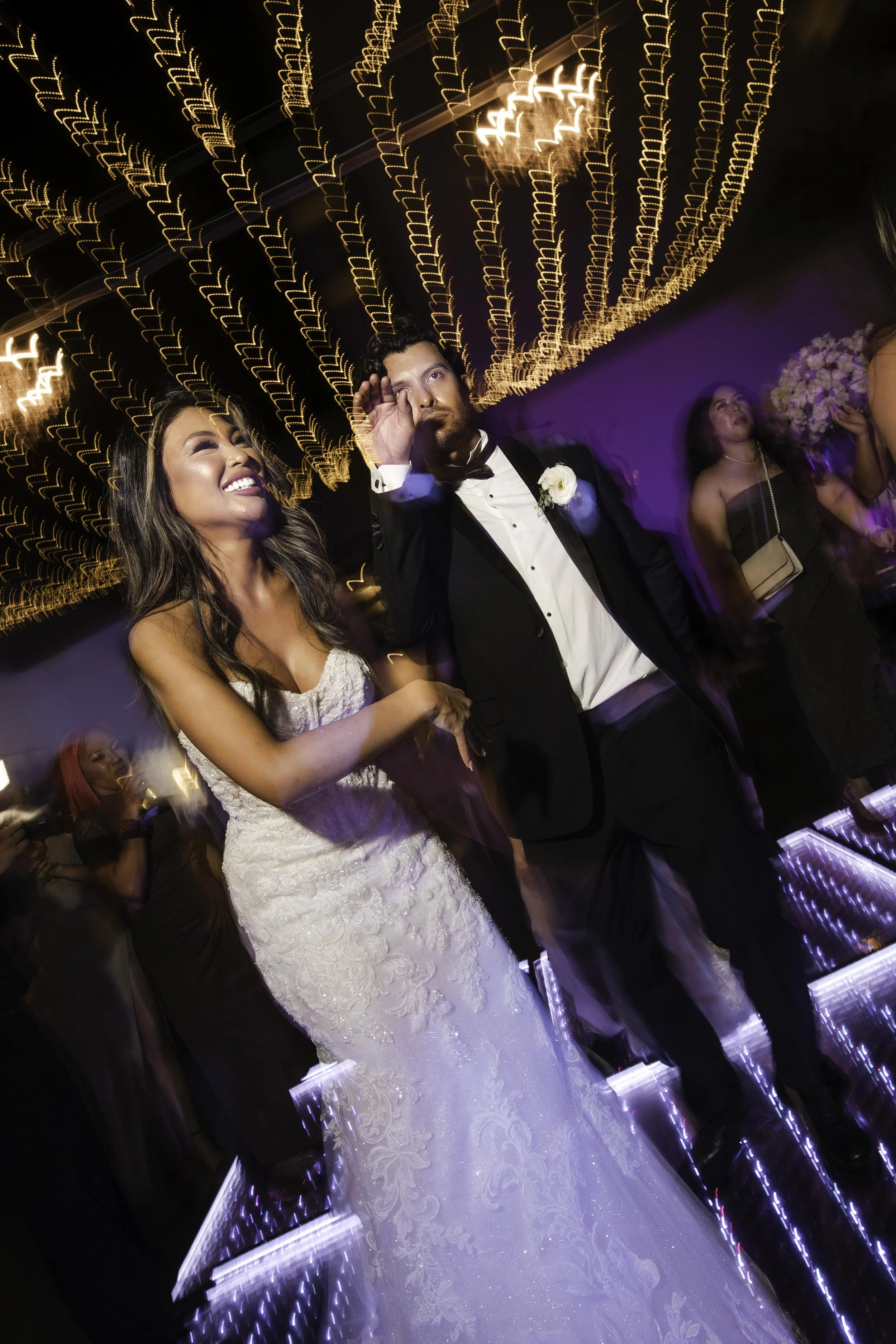
Papel Picado Wedding Decor: Honoring Mexican Culture Without Looking Cheesy
Couples traveling to Mexico want their wedding to reflect the location. You book a hacienda or a beach resort because you love the culture, the food, and the environment. But when it comes to design, a common fear pops up during planning calls. Clients tell me they want authentic Mexican wedding decor but are terrified of the setup looking like a generic theme party. Finding that line between cultural appreciation and a tourist trap is difficult when you are ordering items from a mood board thousands of miles away.
One of the most recognizable design elements in Mexico is papel picado—the intricately cut paper flags strung across streets and courtyards. In its traditional form, it features bright neon colors and thin tissue paper. While that looks great at a street festival, it usually clashes with a high-end wedding. At Arch Wedding Studio, I’ve photographed setups that utilize these banners perfectly. The trick is making intentional choices about color, material, and placement so the decor enhances your photos rather than distracting from them.

The Monochromatic Approach
Swapping out the multi-colored palette is the easiest way to modernize papel picado. Traditional flags come in alternating neon pinks, blues, yellows, and greens. If you hang those over your reception, your photos will feature a chaotic mix of color reflections bouncing onto your guests' skin. Trading the bright colors for an all-white or neutral palette instantly changes the visual impact. White flags stringing across an open-air courtyard mimic the look of fine lace, adding texture to the sky without fighting your floral arrangements for attention.
This monochromatic choice drastically improves your gallery. As a destination wedding photographer in Cancun, I rely on clean light. When the sun sets and the reception lighting turns on, white flags bounce soft, neutral light back down onto the dance floor. It creates a clean, sophisticated environment. If you want a slight variation, using a gradient of champagne, ivory, and soft gray works just as well to maintain that upscale atmosphere.

Upgrading Materials and Design
Standard street-market papel picado uses thin tissue paper. It rips easily in the coastal wind and wilts if the humidity runs high. For a wedding, you need to upgrade the base material. Many designers now offer these banners in durable vellum, thick cardstock, or even laser-cut fabric. These heavier materials hold their shape in the ocean breeze and look deliberate rather than flimsy. They stay crisp, meaning the intricate cutouts remain visible and sharp in your background shots.
You can also ditch the generic bird and flower cutouts for custom designs. Artisans can cut your names, your wedding date, or your custom monogram directly into the flags. Brides magazine notes that custom signage is a primary way to personalize a venue, and bringing that concept to papel picado is a subtle nod to the local culture. When I shoot your reception details, capturing a close-up of a flag with your initials cut into it provides a strong, location-specific image for your album.
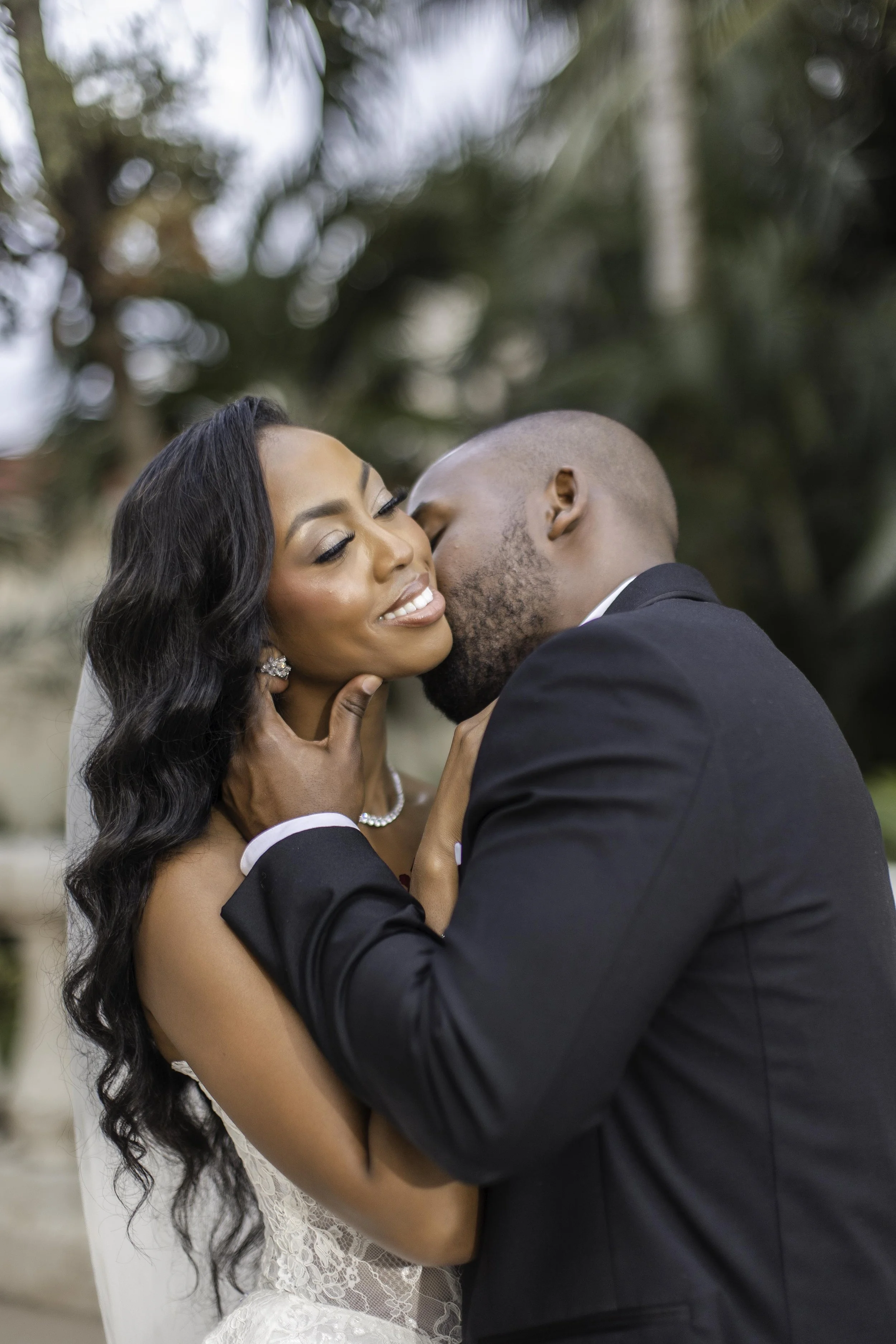
Strategic Placement and Lighting
A frequent design mistake is treating papel picado like generic party streamers and stringing them across every square inch of the venue. Overcrowding the ceiling space makes the room feel small and cluttered. Instead, use the banners to define specific architectural spaces. Hang them strictly over the dance floor to create a visual roof for the party, or line them down a single corridor leading guests from the cocktail hour to the dinner tables. Treating them as a focused architectural element rather than filler makes the design feel expensive.
Lighting determines how these banners photograph at night. Stringing them parallel to classic warm-bulb bistro lights is the most effective setup. The light hits the cutouts, casting intricate shadows on the ground and surrounding walls. I always look for these shadows when shooting candid moments during the reception. If you want to understand how I utilize ambient lighting to capture the mood of a space, check out my About page where I explain my approach to low-light environments.
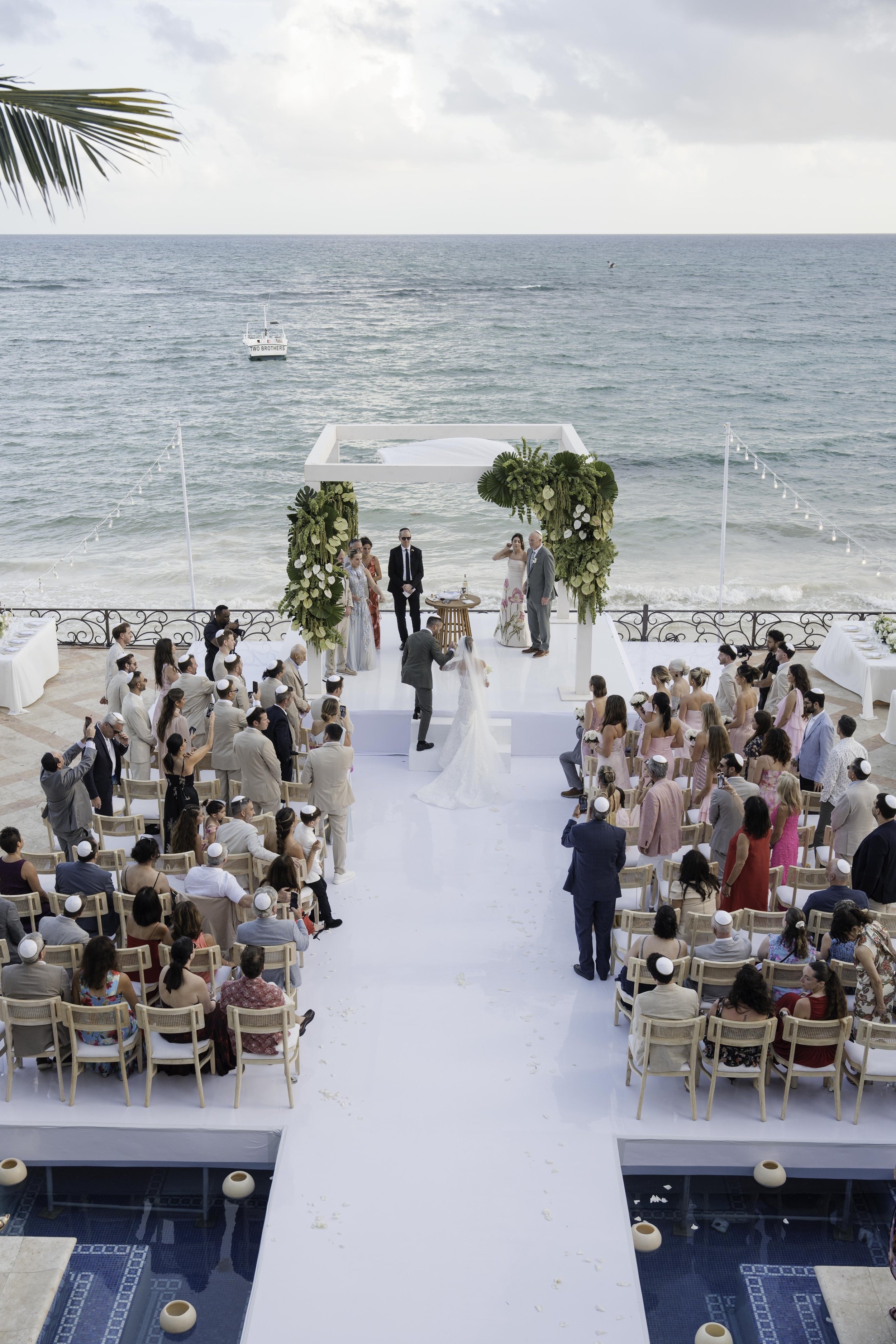
Balancing with Modern Florals
Papel picado is inherently flat and geometric. To prevent the overall design from looking too harsh, you need to contrast it with organic, lush elements. Grounding the tables with full, asymmetrical floral arrangements or adding heavy greenery to the surrounding pillars balances the thin paper above. The combination of traditional Mexican craftsmanship in the air and modern, sculptural florals on the tables bridges the gap between local culture and modern luxury.
When I frame a wide shot of your reception, I want the image to have depth. I want the viewer's eye to move from the textured centerpieces up to the flags catching the breeze against the night sky. Anna Design frequently highlights how balancing traditional Mexican crafts with sleek, modern design prevents a space from looking like a caricature. Applying that same design principle to your wedding ensures your gallery looks sophisticated and culturally grounded.

Keeping It Authentic and Stylish
Honoring the location of your destination wedding doesn't mean compromising your personal style. With intentional choices regarding color, material, and lighting, traditional elements like papel picado become stunning visual assets. Your decor should feel like a natural extension of the Mexican landscape, setting the stage for an incredible party that photographs beautifully from every angle.
I'm Evan Whitney, and my goal is to document the specific atmosphere of your day, right down to the custom details catching the wind above your dance floor. If you are planning an intentional, stylish event in Mexico and want to see how these details come together in real wedding galleries, take a look around my site. Let's talk about your plans and how to capture them perfectly.

Boost Your Destination Wedding Cocktail Hour with Tequila Donkeys and Mezcal Tastings
You just kissed your partner, walked back up the aisle to the cheers of your friends and family, and the official knot has been tied. Now, the real party begins. For most destination weddings, the cocktail hour is the bridge between the emotional ceremony and the wild reception. It is the moment your guests finally exhale, kick off their heels, and get into vacation mode. But if you flew everyone all the way to Mexico, handing them a generic glass of champagne feels like a massive missed opportunity. You want to immerse them in the local culture right out of the gate.
As a destination wedding photographer based in the Riviera Maya, I have seen hundreds of cocktail hours, but the ones that truly stand out are those that embrace the setting. Couples are moving away from standard open bars and opting for interactive, culturally rich experiences that delight their guests. Two of the absolute best ways to do this are by introducing a "burro bar" and curating an artisanal agave experience. Here is how to add authentic Mexican flavor to your cocktail hour, creating unforgettable memories and incredible photos along the way.
The Charm of the "Burro Bar"
If you want to instantly break the ice and get your guests laughing, a "burro bar" is the ultimate cocktail hour surprise. This tradition involves a sweet, docile donkey adorned with vibrant, colorful floral garlands and custom woven baskets filled with ice and local cerveza or tequila shooters. Instead of guests waiting in line at a traditional bar, the bartender—and their furry assistant—mingles through the crowd, offering drinks right where people are standing. It is an unexpected, unique touch that instantly signals to your friends and family that this is not going to be a stuffy, formal wedding.
From my side of the lens, the tequila donkey is an absolute goldmine for photography. The moment the burro walks into the cocktail space, phones come out, and the candid smiles are completely genuine. I love capturing the reactions of unsuspecting guests and the hilarious group photos that follow. As your destination wedding photographer in Cancun, I am always looking for elements that bring out natural joy and interaction, and nothing accomplishes that quite like a floral-draped donkey handing out tequila shots on the beach.
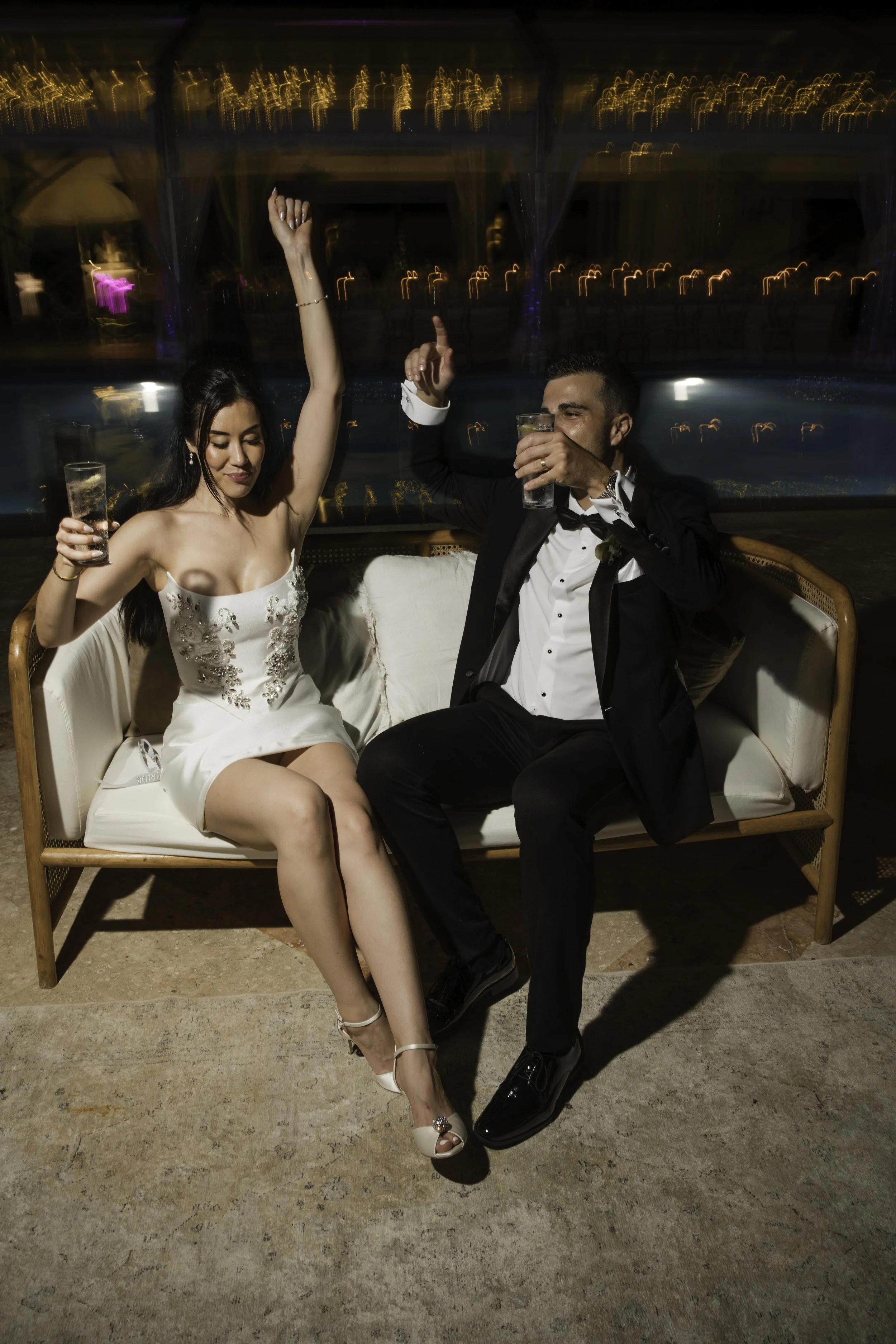
Raise the Bar with a Curated Mezcal Tasting
While a tequila donkey brings the fun, a curated mezcal tasting brings the sophistication. Mezcal has seen a massive surge in popularity, and offering a tasting station is a fantastic way to introduce your guests to the complex, smoky flavors of authentic Mexican spirits. Unlike the quick tequila shots they might remember from college, this is an interactive, educational experience. You can hire a local mezcalier to guide your guests through the tasting notes of different agave varieties, explaining the artisanal roasting process that makes mezcal so unique.
Visually, a mezcal tasting station adds a beautiful, rustic elegance to your cocktail hour decor. Think of a wooden table lined with traditional clay copitas, vibrant slices of fresh orange, and small bowls of sal de gusano (traditional agave worm salt). These earthy textures look incredible in your detail photos, adding a layer of sophisticated local flavor to your gallery. When you browse through my main page, you will see how much I love photographing these carefully styled, culturally rich setups that elevate the entire visuals of your wedding day.

Setting the Mood with Mariachi
You cannot have an authentic Mexican cocktail hour without the right soundtrack, and nothing sets the mood better than a live Mariachi band. Instead of having them just stand in the corner, I always recommend using the Mariachi to lead a procession. They can wait at the end of the ceremony aisle and physically lead you and your guests to the cocktail location, playing upbeat, joyful music along the way. It keeps the energy high and transitions the crowd seamlessly from the serious vows to the lively celebration.
This musical escort creates an incredibly cinematic moment that I love to capture. The vibrant charro suits of the musicians contrasting with your wedding attire creates a visually stunning scene. It is all about capturing the atmosphere and the movement of the day. If you want to learn more about how I document the energy and flow of these transitions rather than just posing you in front of the band, take a look at my About page. My goal is to make sure you can practically hear the trumpets when you look back at your photos.

Balancing Authenticity with Ethical Choices
When incorporating cultural elements like the tequila donkey, it is absolutely crucial to prioritize animal welfare. Not all vendors are created equal, and you want to ensure the animal participating in your wedding is well-cared for, not overworked, and treated with love by its handlers. Before booking a burro bar, ask your wedding planner about the specific vendor’s practices and reputation. The Humane Society offers great guidelines on what to look for when animals are involved in entertainment, ensuring that your fun addition doesn't come at an ethical cost.
The same ethical mindset should be applied to your beverage choices. When setting up your mezcal tasting, ask your coordinator to source from independent, family-owned palenques (distilleries) rather than massive commercial brands. Supporting small-batch producers helps sustain the local Mexican economy and preserves the traditional methods of making the spirit. Magazines like Punch often highlight the importance of ethical agave sourcing, which ensures your luxury cocktail hour actually benefits the beautiful country hosting your celebration.

Let’s Toast to an Epic Wedding
Your cocktail hour is the perfect opportunity to show your guests exactly why you chose Mexico for your destination wedding. By skipping the standard appetizers and opting for a tequila donkey, a mezcal tasting, and a live Mariachi band, you are giving them an experience they will be talking about for years to come.
My name is Evan Whitney, and at Arch Wedding Studio, I am passionate about capturing the authentic, joyful energy of your celebration. If you are planning an unforgettable destination wedding and want a photographer who knows how to document the party just as beautifully as the portraits, let’s chat.

Turning Your Destination Wedding Site Visit into a Riviera Maya Engagement Shoot
You just booked your flights to Mexico, but this isn't a vacation. It is a "site visit"—a whirlwind weekend of tasting menus, looking at linen swatches, meeting coordinators, and measuring the distance from the beach to the ballroom. Planning a destination wedding from afar requires this boots-on-the-ground trip, but amidst the back-to-back meetings, couples often forget to actually enjoy the romantic aspect of the location. As a photographer based in this tropical paradise, I always give my couples a specific piece of advice: do not leave Mexico without stepping in front of the camera.
Turning your scouting trip into a Riviera Maya engagement shoot is one of the smartest planning hacks you can utilize. It transforms a stressful weekend into a memorable, romantic experience while checking off several crucial wedding-prep boxes at once. Here is why you should absolutely book an engagement session during your destination wedding site visit.

The Vibe Check
Planning a destination wedding site visit can quickly turn into a highly caffeinated business trip. You are touring venues, negotiating contracts, and trying to visualize your 80 guests in a space you have only seen on Instagram. The Knot highly recommends these scouting trips to finalize your logistics, but the rigorous schedule can leave you feeling drained. Carving out two hours in the evening for an engagement shoot forces you to take a breath, put the spreadsheets away, and actually connect with your partner while enjoying the sunset you flew all this way to see.
It is also the perfect opportunity for what I call the "vibe check" with your photographer. If you have already booked me—or if you are considering it—an engagement session is the best way to see how we work together before the pressure of the wedding day. You will learn my posing cues, see how I handle the intense Mexican light, and realize that getting your photo taken is actually a lot of fun. You can read more about my relaxed, interactive shooting philosophy on my About page. By the time your wedding day arrives, we won't be strangers; we will be friends, and you will feel completely at ease in front of my lens.
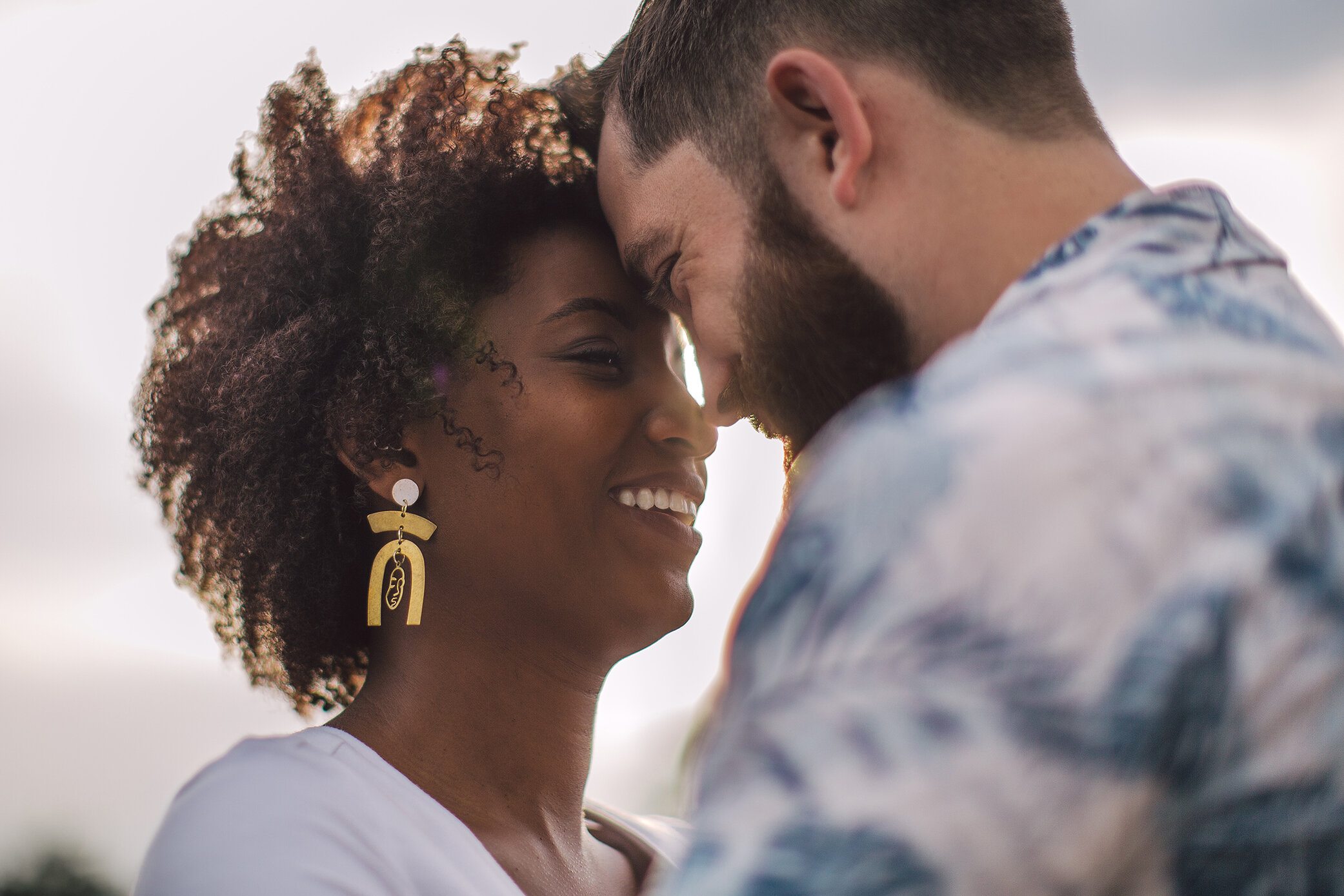
Escaping the Resort Bubble
On your actual wedding day, our timeline is incredibly tight, and we are usually confined to your specific venue or resort. While your venue is undoubtedly gorgeous, the coast has so much more to offer visually. A site visit engagement shoot is our chance to escape the "resort bubble" and explore the authentic, raw beauty of the region. We can wander through the vibrant, colorful streets of Playa del Carmen, take a boat out on a lagoon, or head deep into the jungle for a truly unique backdrop that you simply won't get on your wedding day.
One of the most requested locations for these sessions is a natural sinkhole. Taking photos in the crystal-clear water and dramatic limestone caves gives your gallery an adventurous, editorial edge. The Yucatan tourism board highlights cenotes as the crown jewels of the region, and they photograph beautifully. As your destination wedding photographer in Cancun, I know the hidden, off-the-beaten-path locations that aren't crowded with tourists. This gives you a visually diverse collection of images—elegant resort shots for the wedding, and adventurous, barefoot jungle shots for your engagement.

Maximizing Your Hair and Makeup Trials
Almost every bride schedules her professional hair and makeup trial during her venue tour weekend. The logic makes sense: you want to see how the local artists execute your vision and how the products hold up in the tropical humidity and ocean breeze. However, it is a tragic waste to spend two hours getting glammed up only to go back to your hotel room and order room service. Scheduling an engagement shoot immediately after your trial allows you to document that flawless look and see exactly how it translates on professional camera equipment.
This is also your chance to play with your wardrobe and wear something completely different from your wedding day. If you are wearing a classic, structured white gown for your ceremony, your engagement shoot is the perfect excuse to wear a bold, colorful sundress, a chic two-piece linen set, or even swimwear. We can get our feet wet, sit in the sand, and embrace a casual, carefree vibe that contrasts beautifully with your formal wedding photos. If you look at the recent galleries on my destination wedding website, you will see how much personality a relaxed wardrobe brings to these coastal sessions.
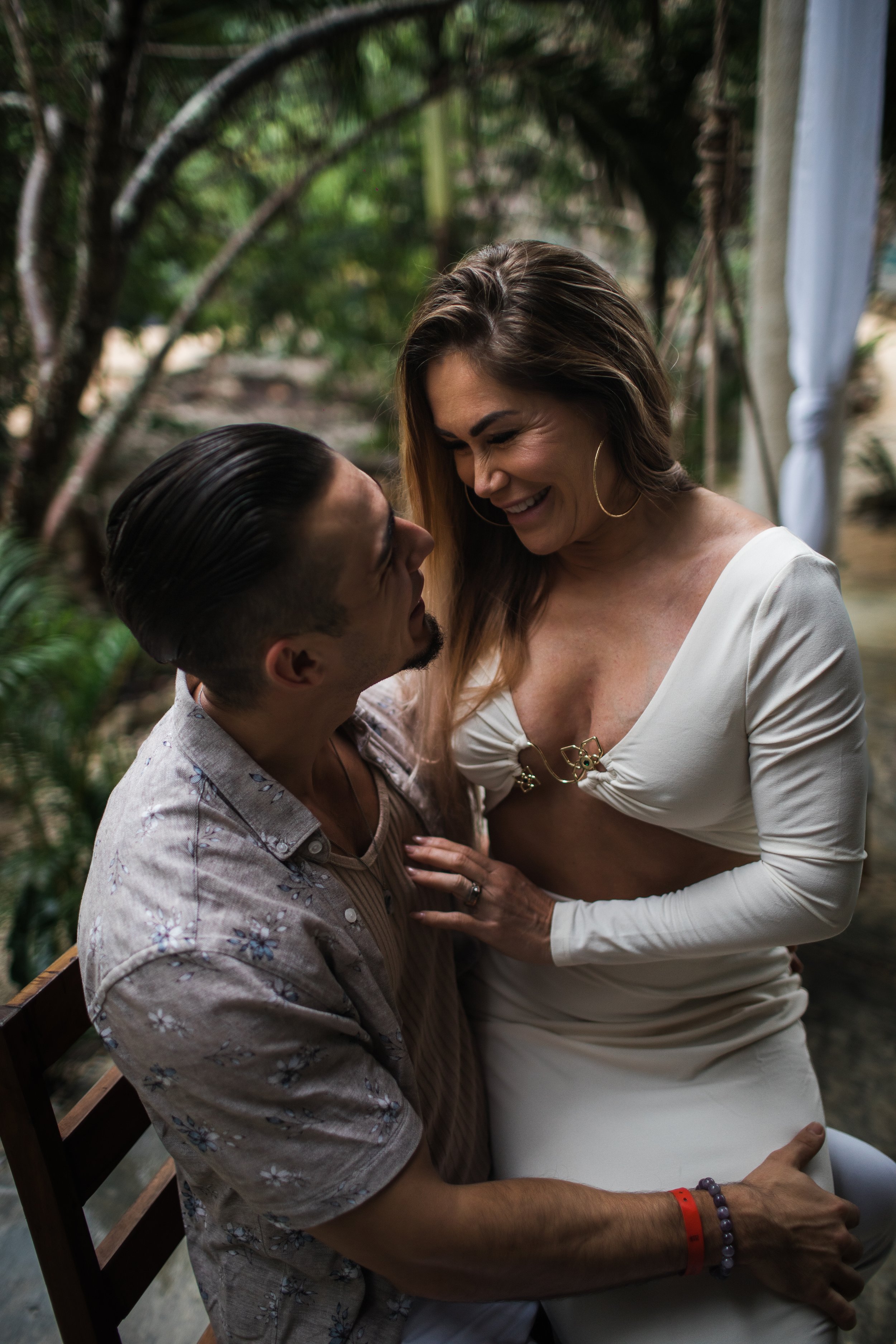
Creating Cohesive Wedding Materials
Your engagement photos are the very first visual taste your guests will get of your upcoming celebration. When you are asking people to book flights and hotels, sending a Save-the-Date featuring a stunning photo of you two walking down a Mexican beach builds instant hype. It sets the exact tropical tone for the event and gets your guests incredibly excited about the destination. They aren't just looking at a generic graphic template; they are seeing the beautiful location you have hand-picked for them to visit.
Beyond the Save-the-Dates, having high-quality, professional images from your actual destination makes your wedding website look incredibly polished. You can use these photos for your custom guest books, welcome bag itineraries, or even display them at the rehearsal dinner. When you browse through my full portfolio, you will notice that couples who do destination engagement shoots have a beautifully consistent visual narrative from the moment they announce their date to the final sparkler exit on their wedding night.
Let's Make It Happen
Your wedding site visit doesn't have to be all work and no play. By adding a Riviera Maya engagement shoot to your itinerary, you are investing in beautiful artwork, testing out your wedding day look, and creating a comfortable relationship with your photographer. It is the best multitasking move you can make for your destination wedding.
My name is Evan Whitney, and I am the lead photographer at Arch Wedding Studio. If you are planning a trip down to Mexico to finalize your wedding details and want to capture some magic while you are here, let's connect and plan an epic session.
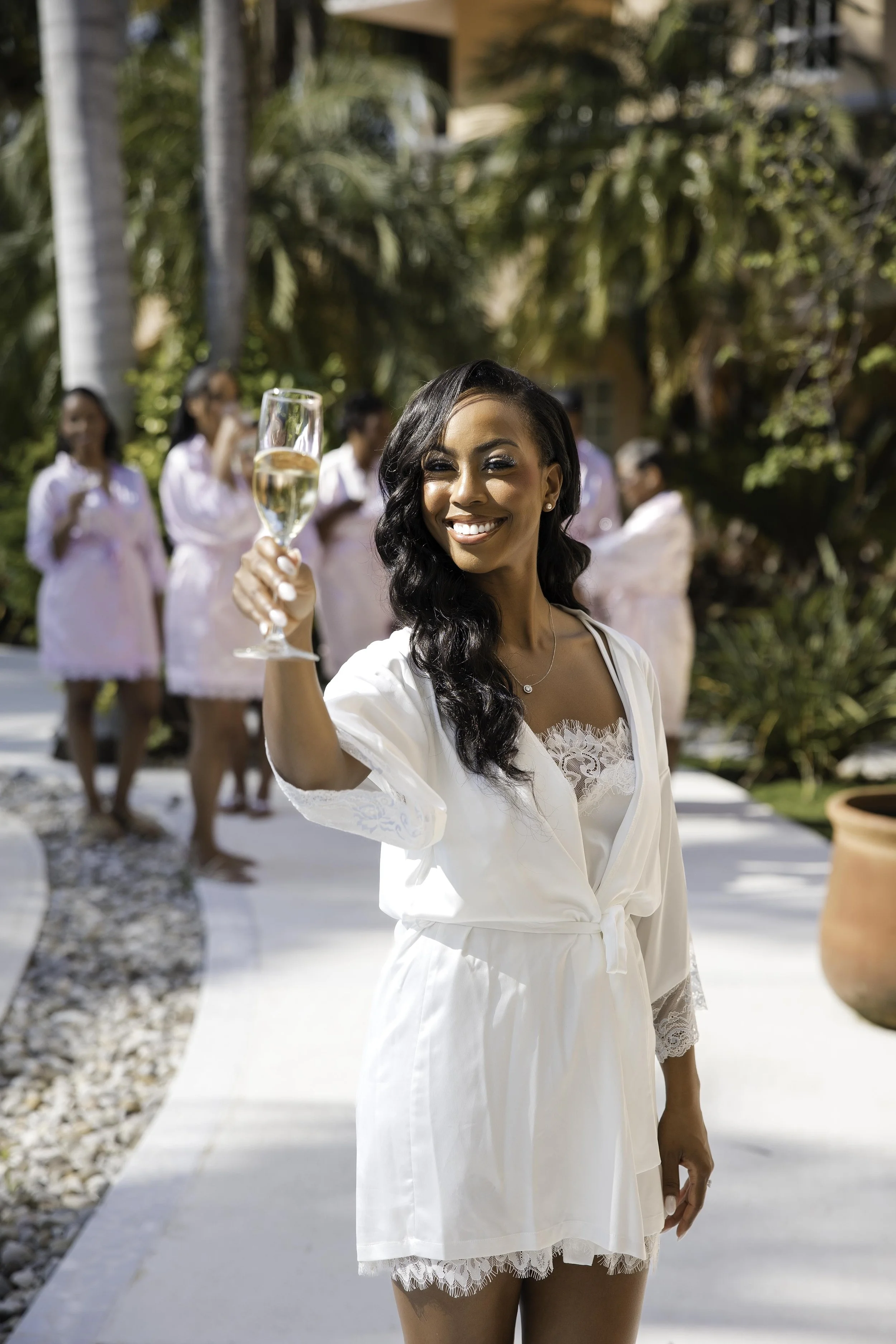
Planning a Wedding During Hurricane Season in Mexico? Read This First.
You have picked the perfect resort, the guest list is finalized, and you are dreaming of margaritas on the beach. But then you look at the calendar and realize your dream date falls right in the middle of late September. Panic sets in. You are suddenly Googling weather charts and asking yourself: is it crazy to be planning a destination wedding during Mexico's hurricane season? As a destination wedding photographer who shoots year-round in the tropics, I am here to talk you off the ledge. It is not crazy, but it does require a specific mindset and preparation.
Hurricane season in Mexico officially runs from June 1st through November 30th, with the highest statistical likelihood of major storms occurring between August and October. This timeframe also happens to offer some of the best travel deals and lowest resort rates, which makes it incredibly tempting for couples trying to maximize their budget. If you are going to take the gamble, you need to go in with your eyes wide open. Here is my honest, straight-to-the-point guide on how to handle the weather, protect your investment, and still get breathtaking photos.

The Reality of Tropical Weather
The phrase "hurricane season" sounds terrifying, but it is often misunderstood by couples flying down from the States. A daily weather app forecast showing a lightning bolt icon every single day for your wedding week does not mean a hurricane is hitting. In the tropics, especially in the Riviera Maya, it is incredibly common for the day to start with brilliant sunshine, followed by a sudden, intense 20-minute downpour in the late afternoon, and then a beautiful clear evening. It is just the daily rhythm of the jungle.
It is also important to understand that the East Coast and West Coast of Mexico behave differently. While the Caribbean side deals with Atlantic storms, Los Cabos deals with Pacific systems. If you are working with a destination wedding photographer in Cancun, they already know the distinct weather patterns of the region. We know that a passing shower is nothing to cry over, and a full-blown hurricane is statistically rare. You are far more likely to experience a brief rain delay than a catastrophic, week-long event.
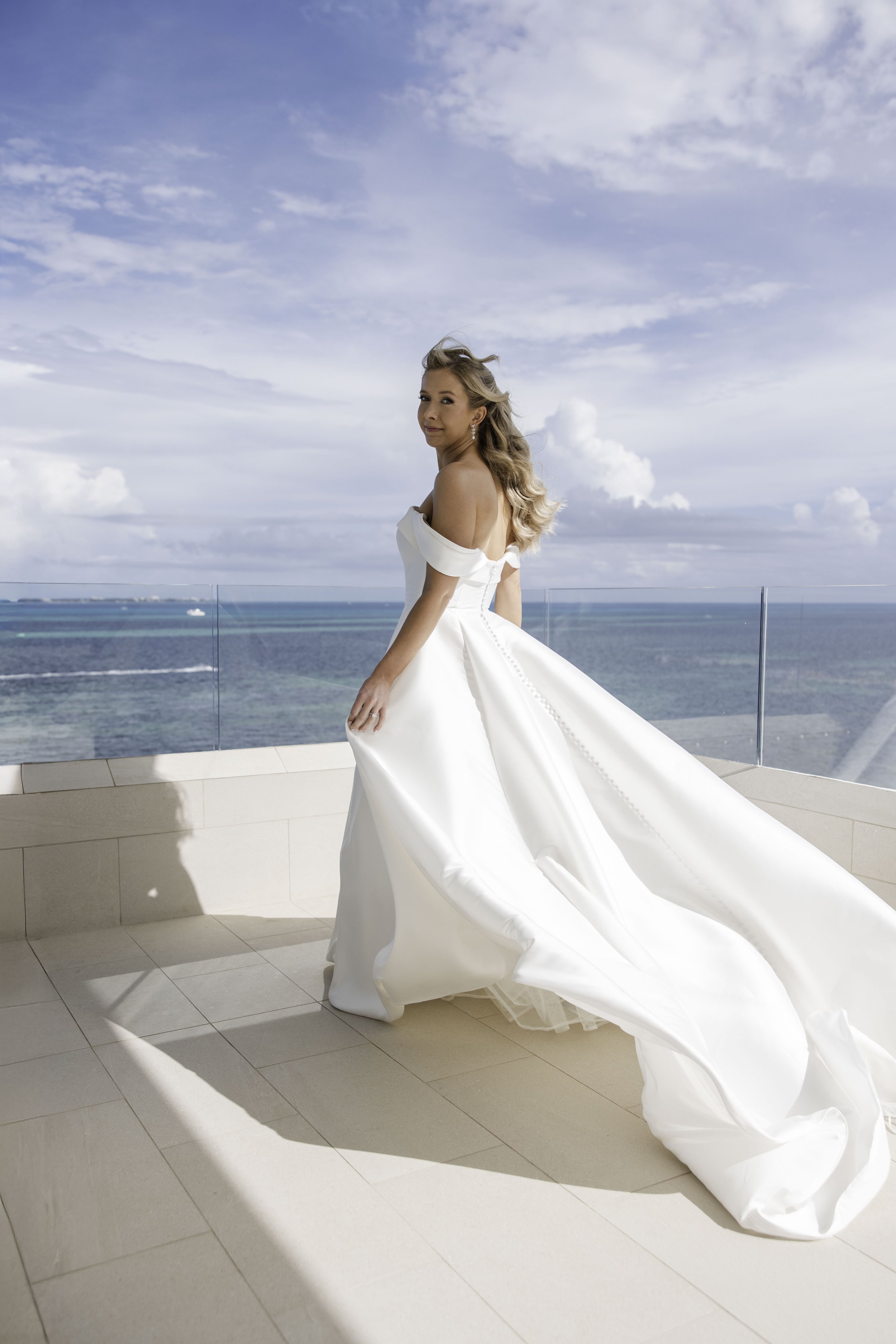
A Bulletproof "Plan B"
If you are getting married between August and October, your "Plan B" cannot be an afterthought; it must be a venue you genuinely love. Too often, couples fall in love with a beachfront ceremony spot but ignore the backup indoor location until the morning of the wedding when the skies open up. Suddenly, they are forced into a windowless, carpeted conference room that completely kills the tropical vibe they flew thousands of miles to experience. When touring or researching resorts, evaluate the covered terraces, open-air palapas, or chic indoor restaurants just as critically as the beach.
From a photography perspective, a strong Plan B saves your gallery. A covered, open-air location still allows natural light to pour in, giving you that beautiful, airy look without the water damage to your dress. If we do have to move indoors to a ballroom, don't panic. You can check out my About page to learn how I use professional off-camera flash to make even the darkest indoor spaces look dynamic and high-end. A sudden venue change shouldn't mean a drop in the quality of your wedding album.

Embracing the Dramatic Skies
Here is a secret most people won't tell you: perfectly sunny, cloudless days actually provide the harshest, most difficult lighting for photography. When I see storm clouds rolling in off the ocean, I secretly get excited. Overcast skies act as a giant, natural softbox, diffusing the sun and creating incredibly flattering, even light on your faces. You won't be squinting, you won't have harsh shadows under your eyes, and the colors of the ocean and your florals will pop beautifully against the rich, gray backdrop.
Also, the skies before and immediately after a tropical storm are nothing short of cinematic. The contrast of dark, brooding clouds against the turquoise water creates an epic, moody landscape that looks like a high-fashion editorial. If you’re okay with the wind and a few raindrops, we can capture some of the most dramatic, jaw-dropping portraits imaginable. Just look at the galleries on my main page; some of the most striking, award-worthy images were taken just minutes before the rain started pouring or right as a storm cleared to reveal a brilliant sunset.
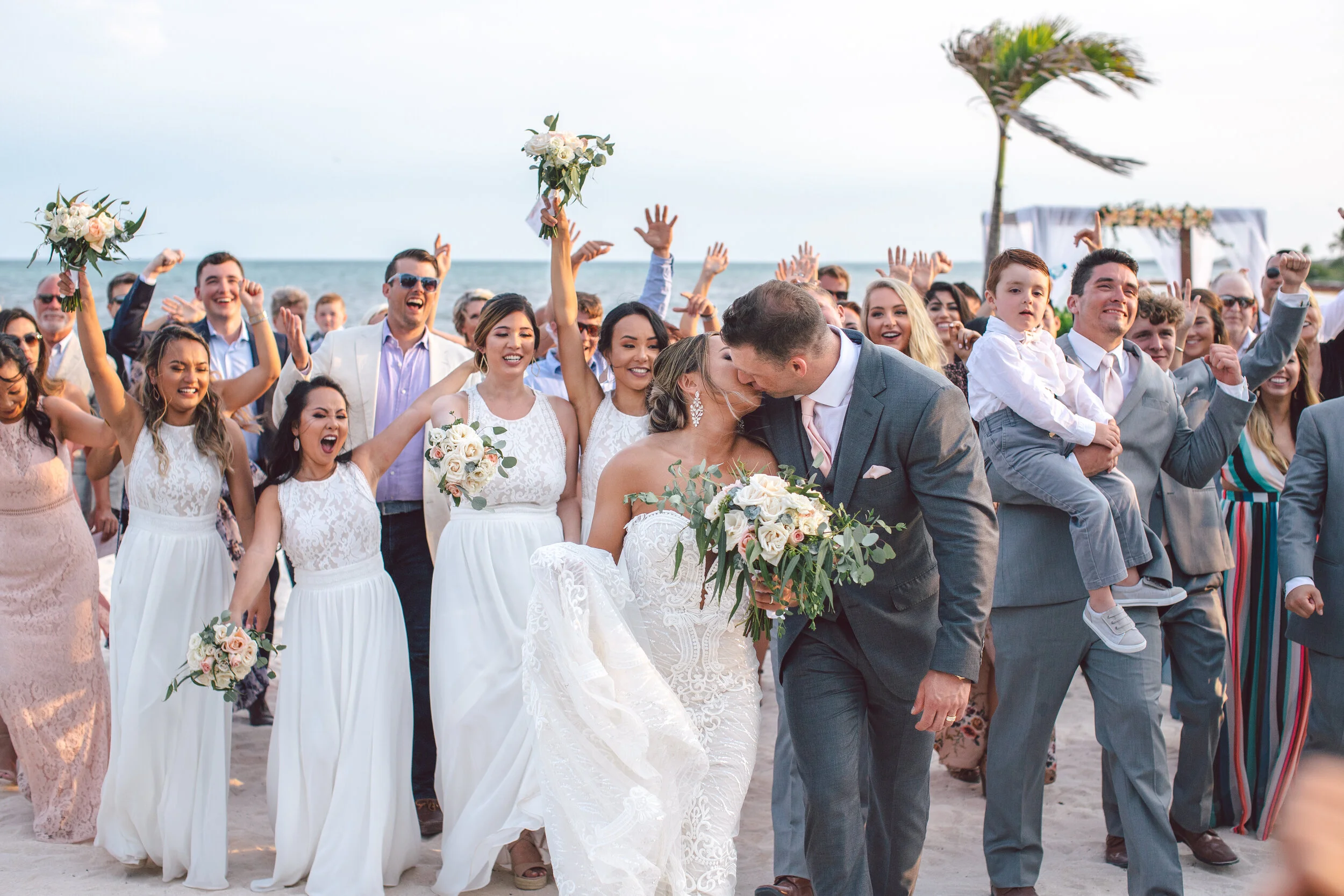
Insurance and Vendor Flexibility
When booking during these months, financial protection is absolutely non-negotiable. You must invest in comprehensive wedding insurance that specifically covers extreme weather cancellations or postponements. Additionally, you should strongly urge your guests to purchase individual travel insurance policies that include "Cancel for Any Reason" (CFAR) coverage. If a named storm does threaten the coast and flights are grounded, you want the peace of mind knowing that you and your loved ones won't lose thousands of dollars over something you cannot control.
Finally, surround yourself with a vendor team that knows how to pivot. Local Mexican vendors are pros at navigating this climate. A great local planner will know exactly when to make the call to move the reception, and a seasoned florist will know how to quickly transport your arch before the wind takes it. As your photographer, I bring weather-sealed gear and a flexible attitude. Brides magazine emphasizes the importance of staying calm, and that energy starts with your vendor team. We adapt, we adjust the timeline, and we keep the party going.
Let's Weather the Storm Together
Your destination wedding should be an unforgettable adventure, no matter what the radar says. By preparing for the worst but expecting the best, you take the power back from the weather app. Whether you get married under a brilliant blue sky or an epic, rolling thunderhead, the focus will remain exactly where it belongs: on the two of you starting your lives together.
My name is Evan Whitney, and at Arch Wedding Studio, I specialize in capturing the raw beauty of your day, rain or shine. If you are looking for a photographer who thrives in unpredictable environments and always has a backup lighting plan, I would love to hear from you.

Satin vs. Chiffon Bridesmaid Dresses for Your Destination Wedding
Planning a destination wedding in Mexico means making peace with the climate. You are trading crisp autumn afternoons for 85-degree days and ocean humidity. While you are probably hyper-focused on how your own wedding dress will handle the heat, there is another wardrobe decision that can make or break the visual vibe of your day: your bridesmaid dresses. As a destination wedding photographer in Cancun, I have seen it all. I have photographed bridal parties looking flawlessly chic, and I have photographed bridesmaids who look like they just ran a marathon in a sauna.
The difference almost always comes down to fabric. The great debate right now is satin versus chiffon. Both are beautiful, but they behave completely differently when introduced to the tropical elements. Here is my honest, photographer’s perspective on which fabric actually looks good when the Mexican heat turns up.
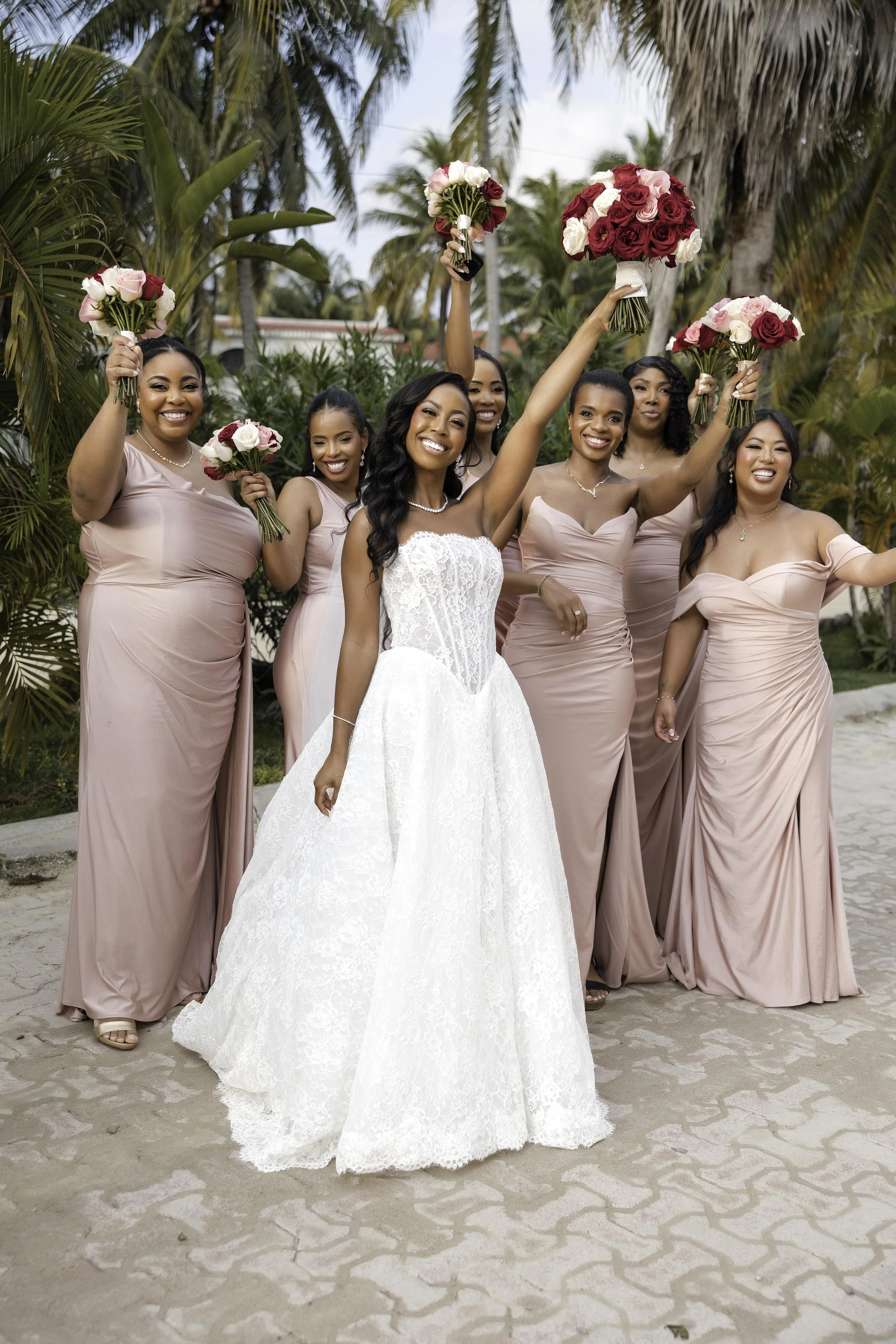
The Allure and the Danger of Satin
There is no denying that satin is having a massive moment in the wedding industry right now. It looks like liquid gold in photos, offering a sleek, sophisticated, and high-fashion aesthetic that elevates the entire bridal party. When the golden hour light hits a row of bridesmaids wearing silk or satin slip dresses, the fabric reflects the sun beautifully, creating a rich, glamorous contrast. It is the perfect choice if you want your destination wedding to feel more like an exclusive, red-carpet evening event rather than a casual beach party.
However, the reality of wearing satin in a tropical climate is brutal. Satin is notoriously unforgiving when it comes to moisture. If your girls are standing in the sun for a 30-minute ceremony, satin will showcase every single drop of sweat, especially in lighter colors like champagne, blush, or sage green. It also wrinkles incredibly easily. The moment your bridesmaids sit down in the transport van to get to the venue, those dresses will crease across the lap, and those wrinkles will be front and center in every group portrait we take. According to fabric guides from Brides, synthetic satins are especially prone to trapping heat, meaning your bridal party could be quietly baking during the vows.
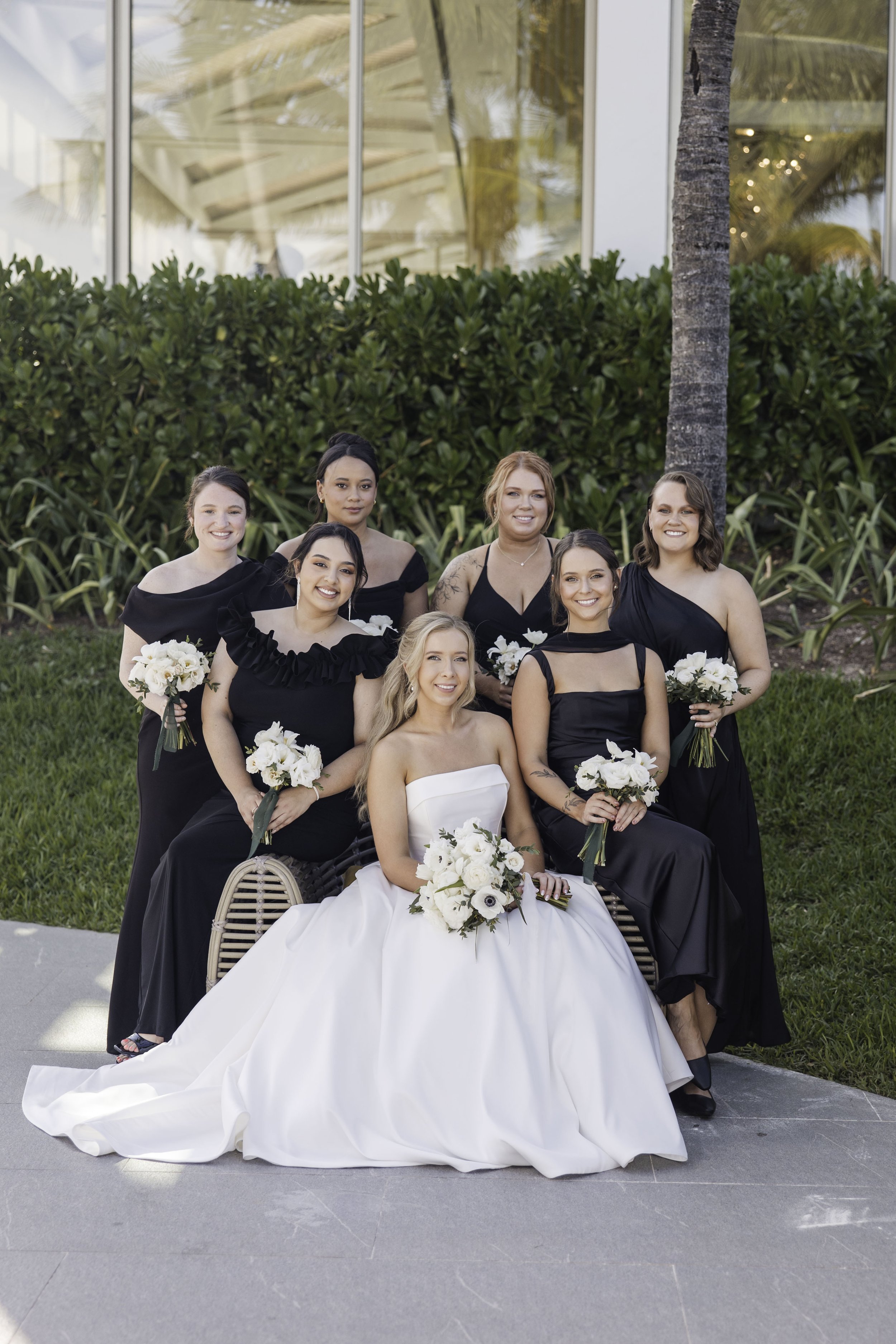
The Trusty Reliability of Chiffon
On the other side of the spectrum, we have chiffon. This has been the undisputed champion of beach wedding fabrics for decades, and for good reason. Chiffon is incredibly lightweight, matte, and breathable, allowing the ocean breeze to actually reach your bridesmaids' skin. From a photography standpoint, chiffon is pure magic on the coast. It catches the wind effortlessly, adding a dynamic, sweeping movement to your bridal party photos that feels organic and romantic. It perfectly matches the "soft and airy" vibe that many couples want for their seaside vows.
More importantly, chiffon is the ultimate safety net for destination weddings. It is highly forgiving; it hides sweat patches completely and dries in minutes if someone gets splashed by a stray wave or spills a bit of their cocktail. If you look at the galleries on my main page, you will notice that bridesmaids in chiffon generally look more relaxed. The matte finish means we don't have to worry about harsh glare from the sun, and the flowy nature of the fabric flatters almost every body type, ensuring your girls feel confident instead of self-conscious.

How Fabric Choice Impacts Your Wedding Photos
The fabric you choose literally dictates the editing style and final look of your gallery. Satin reflects light, which creates deep shadows and bright highlights in the camera. This results in photos that feel punchy, modern, and editorial. Chiffon, being matte and sheer, diffuses light. It creates a softer, pastel-driven look that feels timeless and ethereal. When I am editing your gallery, the texture of the dresses plays a huge role in the overall look. If you want a moody, high-contrast vibe, satin helps achieve that; if you want light and dreamy, chiffon is your best friend.
Beyond the technical aspects of light and texture, your fabric choice impacts the candid emotion in your photos. Uncomfortable bridesmaids look miserable on camera. If they are overheating in a heavy, non-breathable fabric, or constantly adjusting a dress that shows every drop of sweat, they won't be smiling naturally. They will be distracted. The Knot's guide to summer bridesmaid styles emphasizes that comfort directly translates to confidence. As a photographer, I want to capture your best friends laughing, dancing, and genuinely enjoying the day, and that is much easier when they are wearing a fabric that suits the environment.

The Best Compromise for a Mexican Beach Wedding
If you are torn between the high-end look of satin and the practical comfort of chiffon, there are excellent ways to compromise. One of the best trends I am seeing for destination weddings is the "mix and match" texture approach. You can assign a color palette—like tropical sunset tones or ocean blues—and let your bridesmaids choose their own fabric. This allows the girls who sweat easily to opt for breathable chiffon, while the girls who love a sleek silhouette can rock a satin slip. Mixing textures adds incredible visual depth to your group photos, making the bridal party look curated rather than uniform.
Another great option is to look into crepe or high-quality charmeuse. These fabrics offer a bit of the drape and elegance of satin but often feature a slightly more matte finish or better breathability. You can also opt for chiffon dresses with high slits, which add a modern, sexy edge to the traditional flowy fabric while providing maximum ventilation. If you read my About page, you will know that I am all about balancing high-end aesthetics with genuine, relaxed moments. Choosing a fabric that allows your favorite people to survive the Mexican heat while looking gorgeous is the first step toward achieving exactly that.
Let's Plan Your Flawless Day
Your destination wedding should be an unforgettable experience, not an endurance test for your bridal party. By choosing the right fabrics, you ensure everyone looks their absolute best from the first look to the final dance under the stars.
If you want a photographer who understands the elements and knows how to make your bridal party look stunning no matter the weather, reach out to inquire about your date. Let's create beautiful, stress-free memories together.
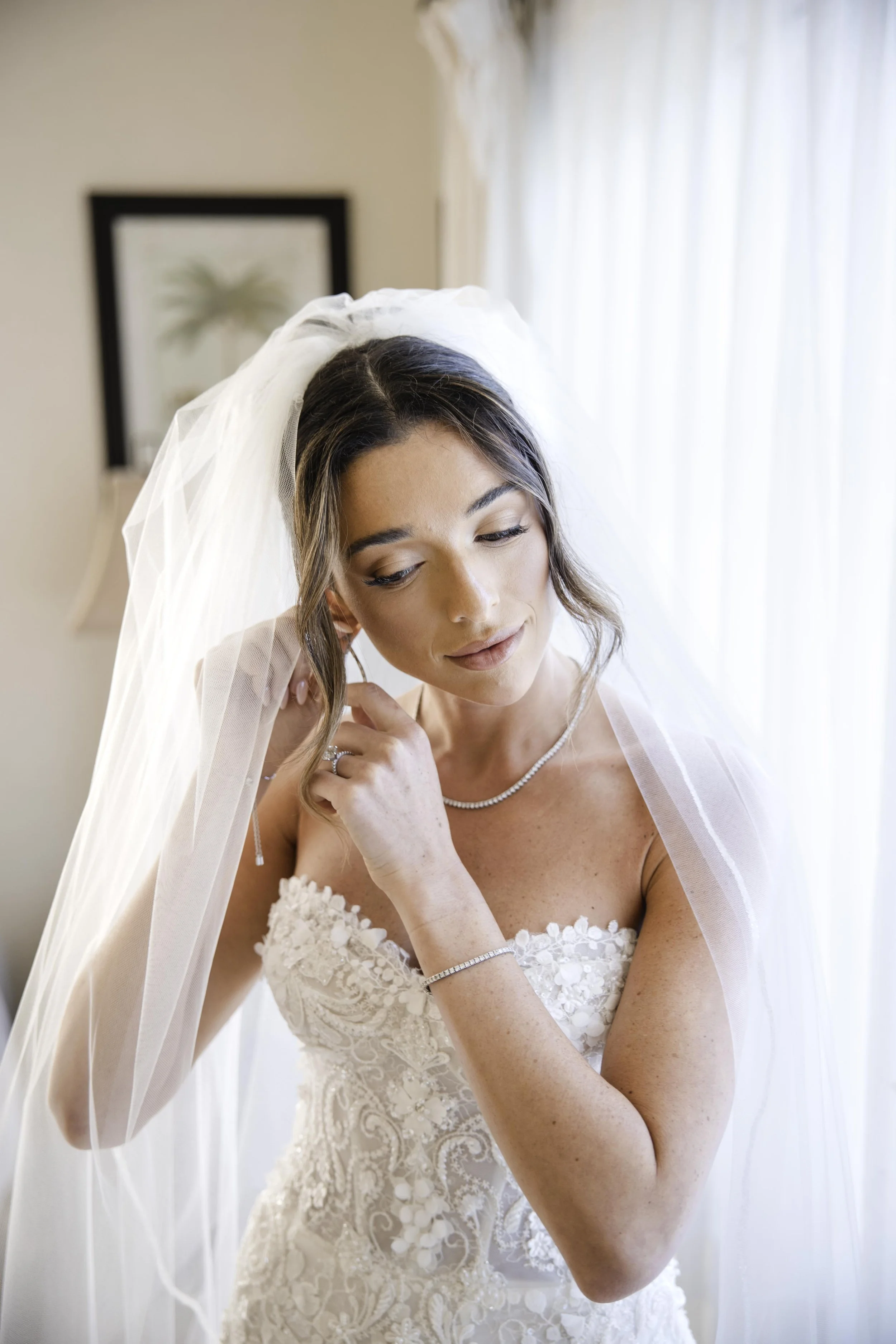
To Veil or Not to Veil? Surviving the Ocean Breeze During Your Destination Wedding
Picture you are walking down a pristine white sand aisle in Mexico. The sun is shining, your partner is smiling at you, and your veil is aggressively slapping you in the face, sticking to your lip gloss, and trying to pull your hair out. When planning a destination wedding, the ocean breeze is a double-edged sword. It cools you down in the tropical heat, but it can wreak absolute havoc on your carefully curated bridal look, especially when a veil is involved.
As a destination wedding photographer in Cancun, I get asked the "veil question" by almost every single bride I work with. You want that dramatic, flowing shot on the beach, but you are terrified of fighting a piece of tulle during your vows. It is a completely valid concern. The decision to wear a beach wedding veil requires balancing the aesthetic dream with the physical reality of the coast. Let’s break down everything you need to know about surviving the wind and getting incredible photos, whether you decide to veil or not to veil.
The Magic of a Wind-Blown Veil (The Pros)
Let me start by defending the veil, because from a purely photographic standpoint, wind is actually a veil’s best friend. When you are standing on the edge of the Caribbean Sea, a veil caught in the ocean breeze creates instant drama. It adds movement, texture, and a sweeping romantic quality to your images that a static dress simply cannot achieve. Some of my absolute favorite portraits feature a veil soaring organically through the air, framing the couple beautifully against the blue sky. It gives the photos a high-end, editorial feel that looks like it belongs on the cover of a bridal magazine.
Beyond the wide landscape shots, a veil also provides incredible opportunities for intimate portraits. I love using the sheer fabric to wrap around my couples, creating a private, soft-focus bubble for a close-up kiss. It filters the harsh Mexican sun beautifully, casting a soft, flattering glow on your faces. If you browse the wedding galleries on my main page, you will see exactly how often I use a flowing veil to add a dynamic layer to the composition. When the wind cooperates, a veil is the ultimate photographic prop for your destination wedding.
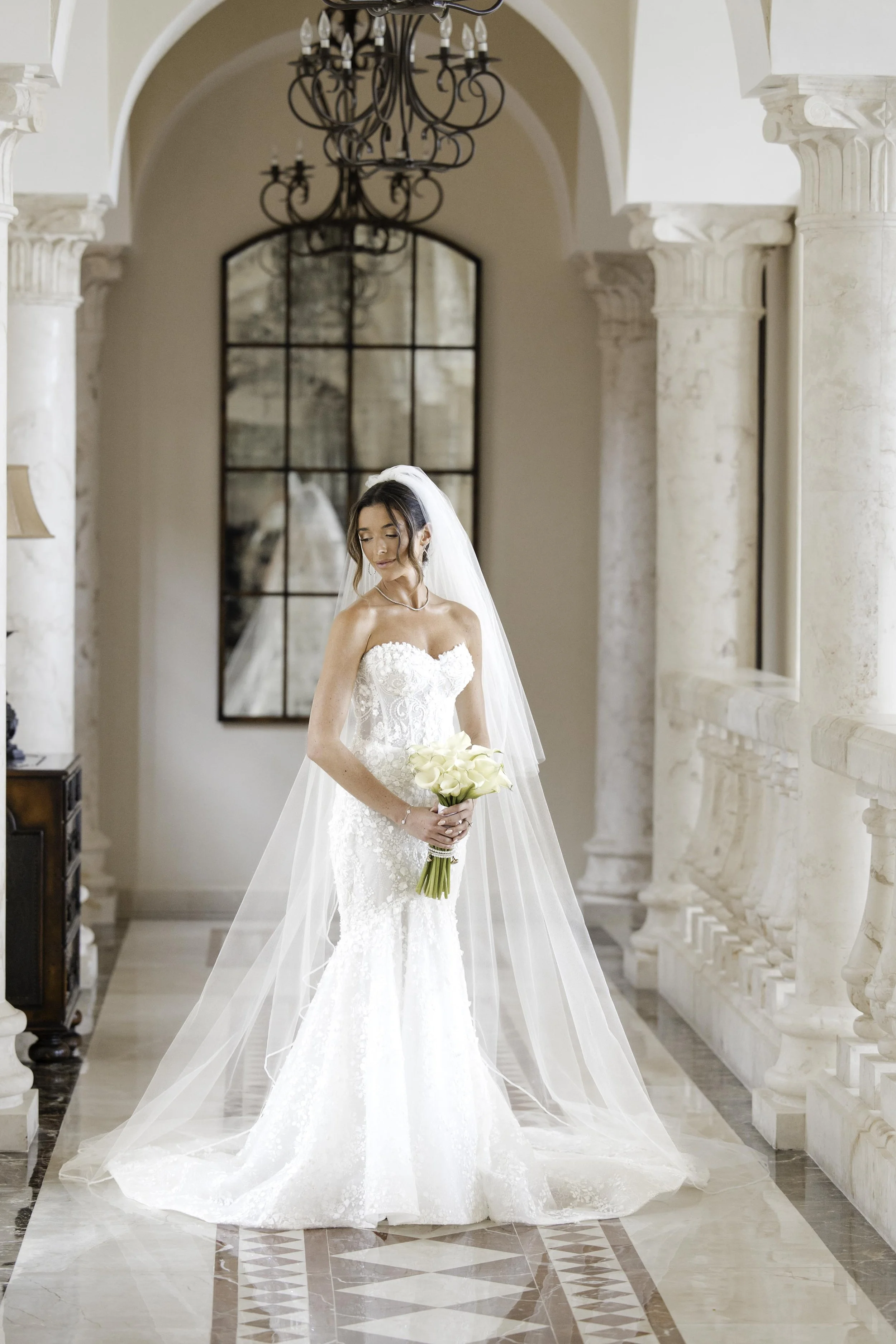
The Reality of the Ocean Breeze (The Cons)
However, Mother Nature does not take direction well. The reality of a beach wedding is that the wind is entirely unpredictable. If the ocean breeze is blowing onshore (directly at your face), your veil will spend the entire ceremony plastered to your chest or wrapping around your partner's neck. I have seen grooms spend half the ceremony gently swatting tulle away from their eyes just so they can see their bride to say their vows. This constant battling with fabric can pull you out of the emotional weight of the moment, leaving you feeling frustrated rather than focused.
Furthermore, a long, heavy veil acts like a parachute. If the wind picks up suddenly, it can pull violently on your hair, threatening to ruin that intricate updo you just spent two hours and hundreds of dollars perfecting. Brides magazine often warns that beach brides need to prioritize secure hairstyles specifically because of the tugging effect of veils in the wind. You have to ask yourself if the epic portrait later is worth the potential annoyance during the actual ceremony. For some brides, the answer is an enthusiastic yes; for others, it’s a hard pass.
Choosing the Right Veil for the Beach
If you are dead-set on wearing a veil, the type of veil you choose makes all the difference on the coast. Avoid stiff, scratchy netting or layered "pouf" veils that sit high on the head; these catch the wind aggressively and refuse to drape naturally. Instead, opt for ultra-soft English net or sheer silk tulle. These fabrics are incredibly lightweight and have a liquid drape to them. When the wind catches them, they flutter gracefully rather than standing straight up in the air like a rigid sail.
Length is also a major factor to consider for your beach ceremony. A fingertip veil might seem like a safer, shorter option, but it is actually the most annoying length in a breeze because it perfectly reaches your face and arms, constantly wrapping around your shoulders. A cathedral-length veil is surprisingly better for the beach. The sheer length of the fabric drags on the sand, anchoring it down slightly. If you are worried about the fabric flying around too much, you can even talk to your seamstress about sewing tiny, discreet veil weights into the bottom hem to help it hang elegantly.
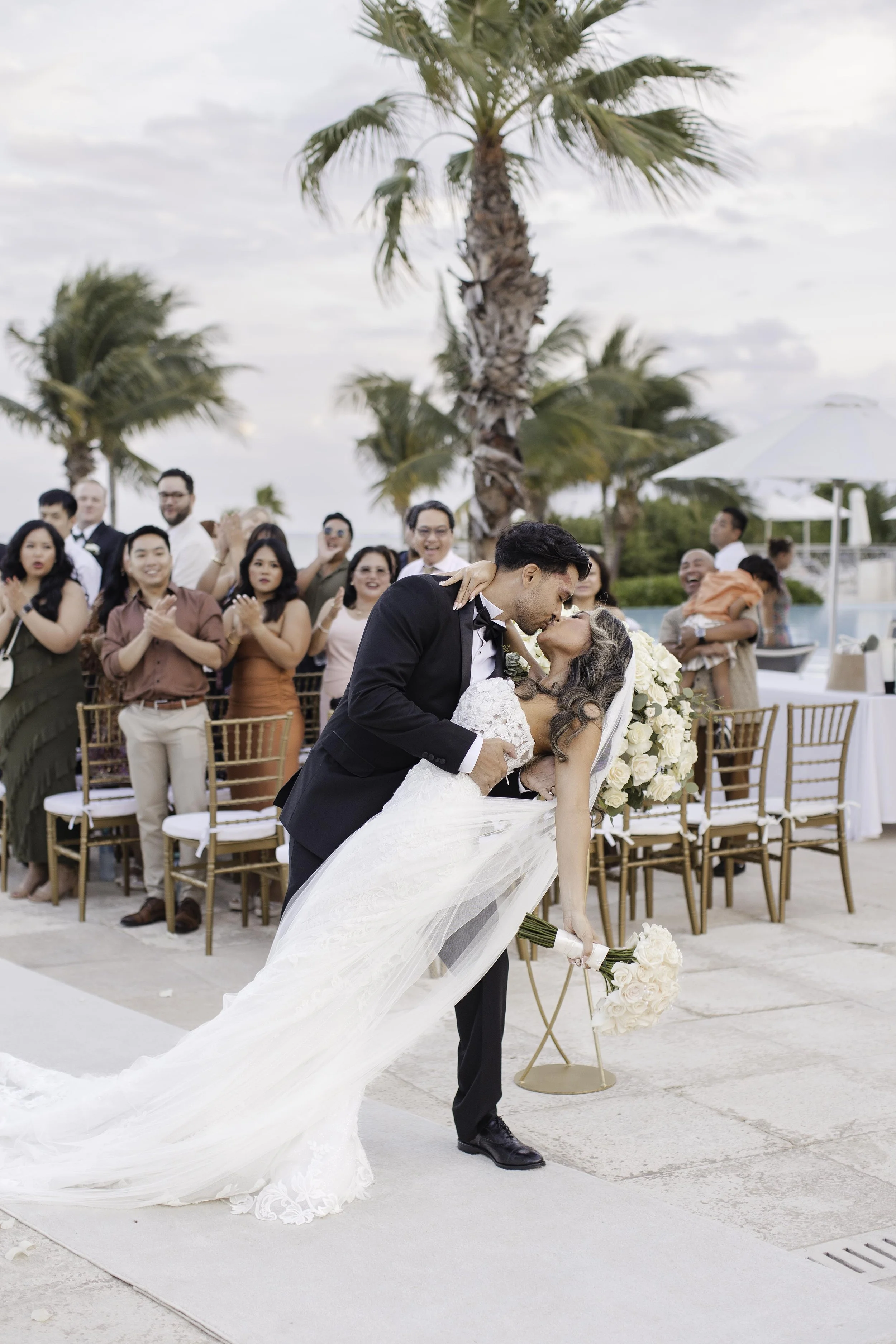
Tips for Managing Your Veil on the Day
If you decide to wear a veil for your ceremony, communication with your bridal party is absolutely key. Appoint your Maid of Honor as the official "veil wrangler." Before the ceremony starts, have her practice catching and laying the veil out behind you. If the wind is particularly aggressive right as you reach the altar, she can gather the excess fabric and tuck it securely behind your legs, or even discretely pin it to the back of your dress so it stays put while you say your vows.
The best compromise I suggest to my clients is the "ceremony-only" or "portraits-only" veil approach. Wear it for the grand entrance and the epic couple's portraits right after, but take it out the second we are done with those formal shots. Once we hit the cocktail hour and the reception, you want to be able to hug your guests, hold a margarita, and dance without a long train of tulle dragging behind you. This timeline trick gives you the best of both worlds: the dramatic, windy photos and the practical comfort you need to enjoy your night.
Let's Capture the Magic
Your destination wedding should be about celebrating your love, not fighting the elements. Whether you choose to let a cathedral veil fly in the wind or opt for a sleek, veil-free updo, the most important thing is that you feel confident and comfortable. The ocean breeze is part of the magic of Mexico, and I know exactly how to use it to your advantage to create art.
If you are looking for a destination wedding photographer who can handle the wind, the sun, and everything in between to deliver stunning, stress-free photos, I would love to hear from you. Let’s create some magic on the beach.

Professional vs. Drugstore Prints: Where to Print Your Destination Wedding Photos
Let's be honest about what happens after the wedding. You finally get that highly anticipated email saying your photo gallery is ready. You spend hours scrolling through the images on your couch, absolutely obsessed with every single one. You immediately download your favorites, load them onto a USB drive, and drive straight to the local pharmacy to print off fifty copies for your parents. And then, you pick them up. You look at the prints in your car, and your heart totally sinks. The colors are muddy, the paper feels incredibly cheap, and your skin looks weirdly orange. As a destination wedding photographer in Cancun, I have heard this exact horror story from couples more times than I can count.
I’m Evan Whitney, and I need to let you in on a massive industry reality check. That beautiful, golden Mexican sunset we captured on the beach? It shouldn't look neon green when you print it. The massive disconnect between what you see glowing brightly on your iPhone screen and what spits out of a one-hour photo kiosk all comes down to technical calibration. Printing your images is the final step of your wedding experience, and going to a drugstore completely ruins the art you just paid for. Let's talk about why professional labs are absolutely non-negotiable if you actually want your wedding photos to look good in real life.
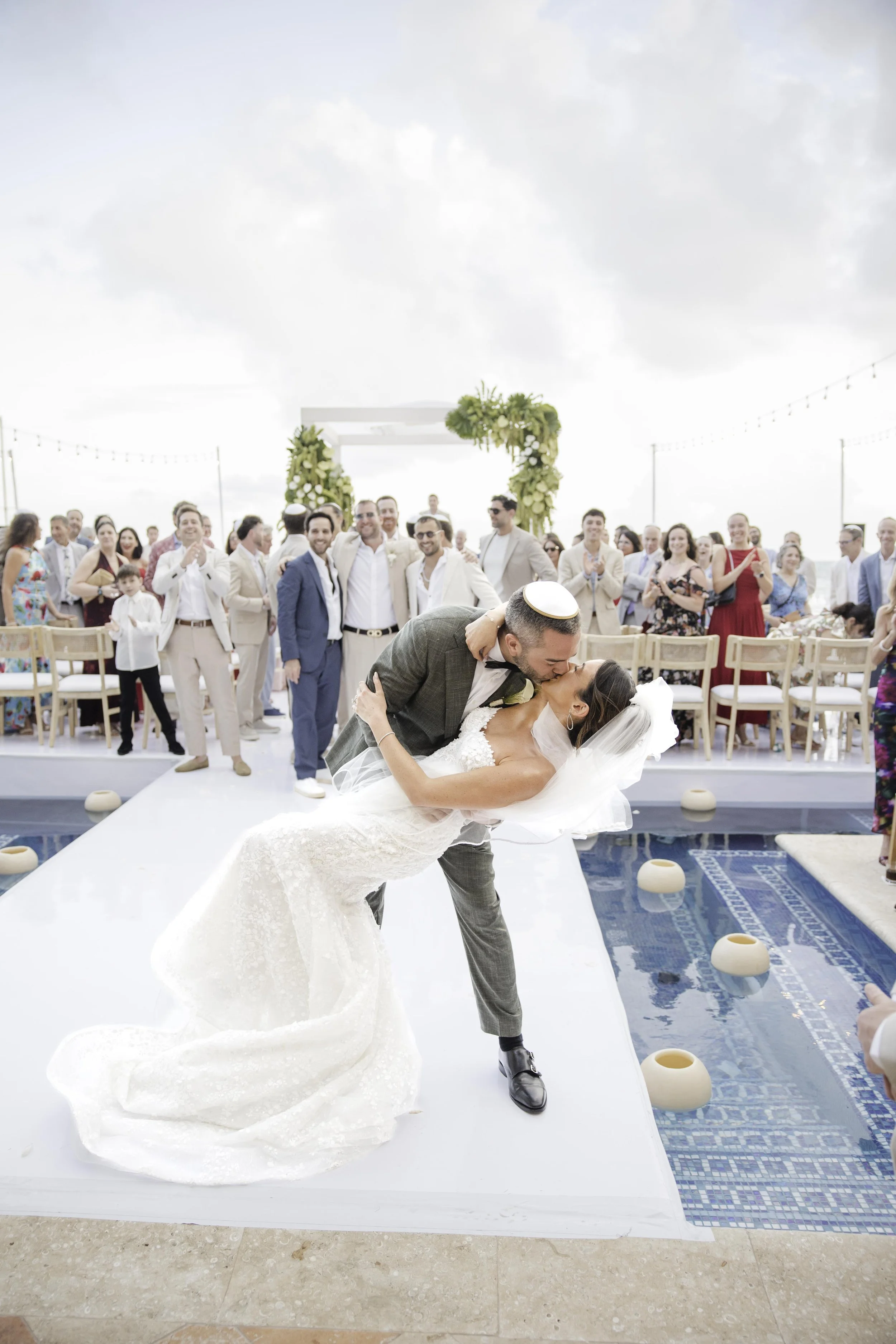
The Machine Auto-Correction Disaster
The biggest issue with drugstore printing boils down to a technical process called color calibration. When I sit down at my desk to edit your wedding gallery, my computer monitors are perfectly calibrated using special hardware. This ensures that the exact colors I see on my screen perfectly match the ink profiles used by my professional print lab. We speak the exact same color language. Drugstore kiosks, on the other hand, do not care about my professional color profiles at all. They are mass-market machines designed to churn out hundreds of cheap prints an hour for people printing quick cell phone snaps of their dog.
To make those quick, unedited snaps look halfway decent, the drugstore printer applies an aggressive, automated color correction to every single file it processes. This is a total disaster for professional photography. The machine looks at the warm, golden-hour tones of your destination beach wedding and thinks the image is way too orange. To "fix" it, the computer automatically injects heavy blue and green tones into the ink. Suddenly, your romantic sunset looks sickly, your white dress looks gray, and your glowing tan looks like an alien. Professional labs never apply automated corrections; they print the file exactly as I edited it.
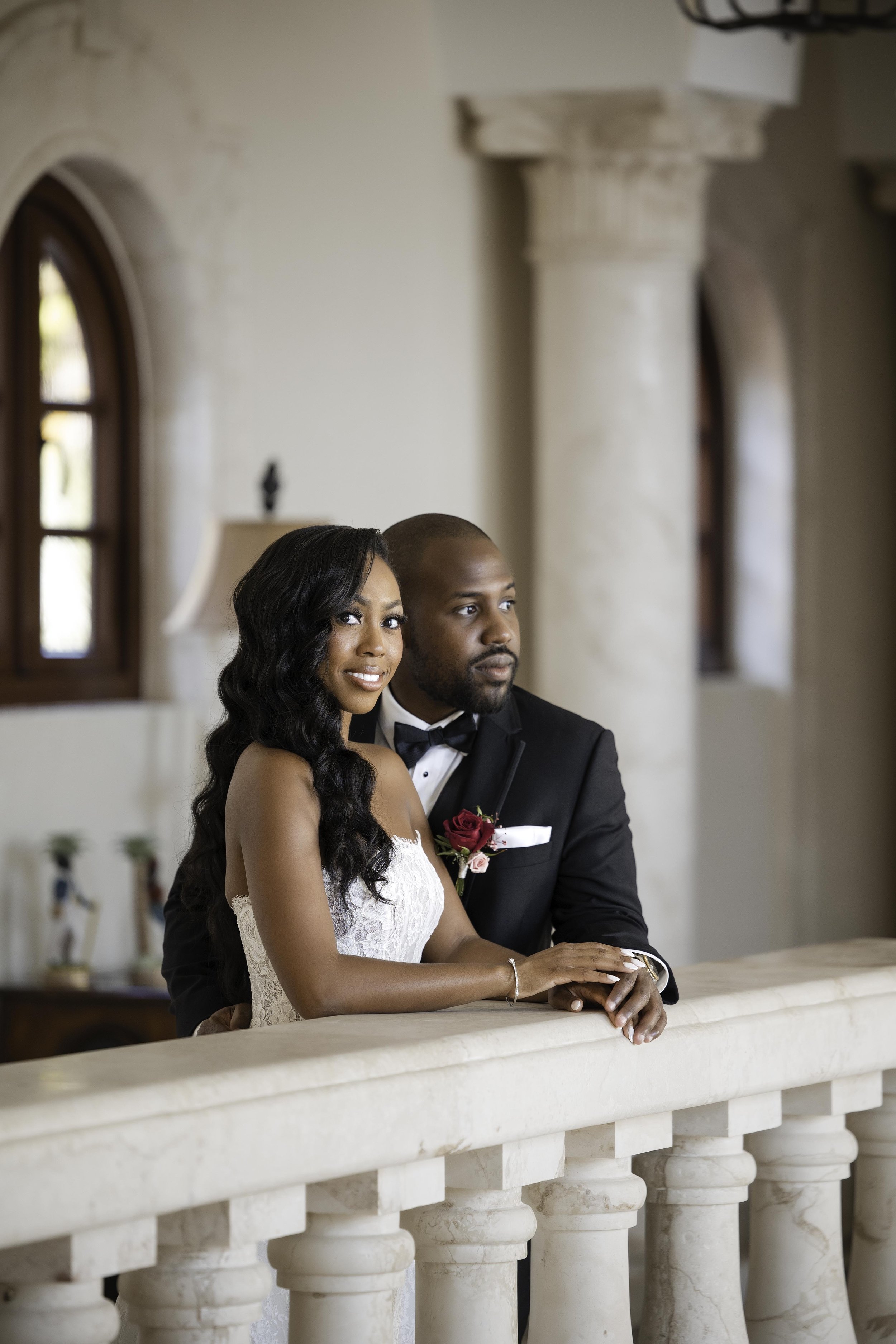
Cheap Paper vs. Archival Quality
It isn't just about the ink colors; the physical paper itself makes a massive difference in how your images look and feel. Consumer labs at the pharmacy use thin, standard-issue glossy or matte paper. It feels flimsy in your hands, curls up at the edges almost immediately, and shows greasy fingerprints the second you touch it. Worse yet, these cheap papers contain acids and chemicals that react poorly to sunlight over time. This means your photos will inevitably start to yellow, fade, or crack after just a few years of sitting in a cheap frame on your living room mantel.
Professional print labs operate in a totally different world. They use thick, heavily textured, archival-quality materials that are explicitly designed for fine art. These papers are acid-free and utilize high-end pigment inks that won't degrade under normal UV light. When you invest in a professional print from your gallery, you are creating a genuine family heirloom. That photo is guaranteed to look exactly the same fifty years from now when you show it to your grandchildren, completely avoiding that faded, vintage look unless it was done on purpose.
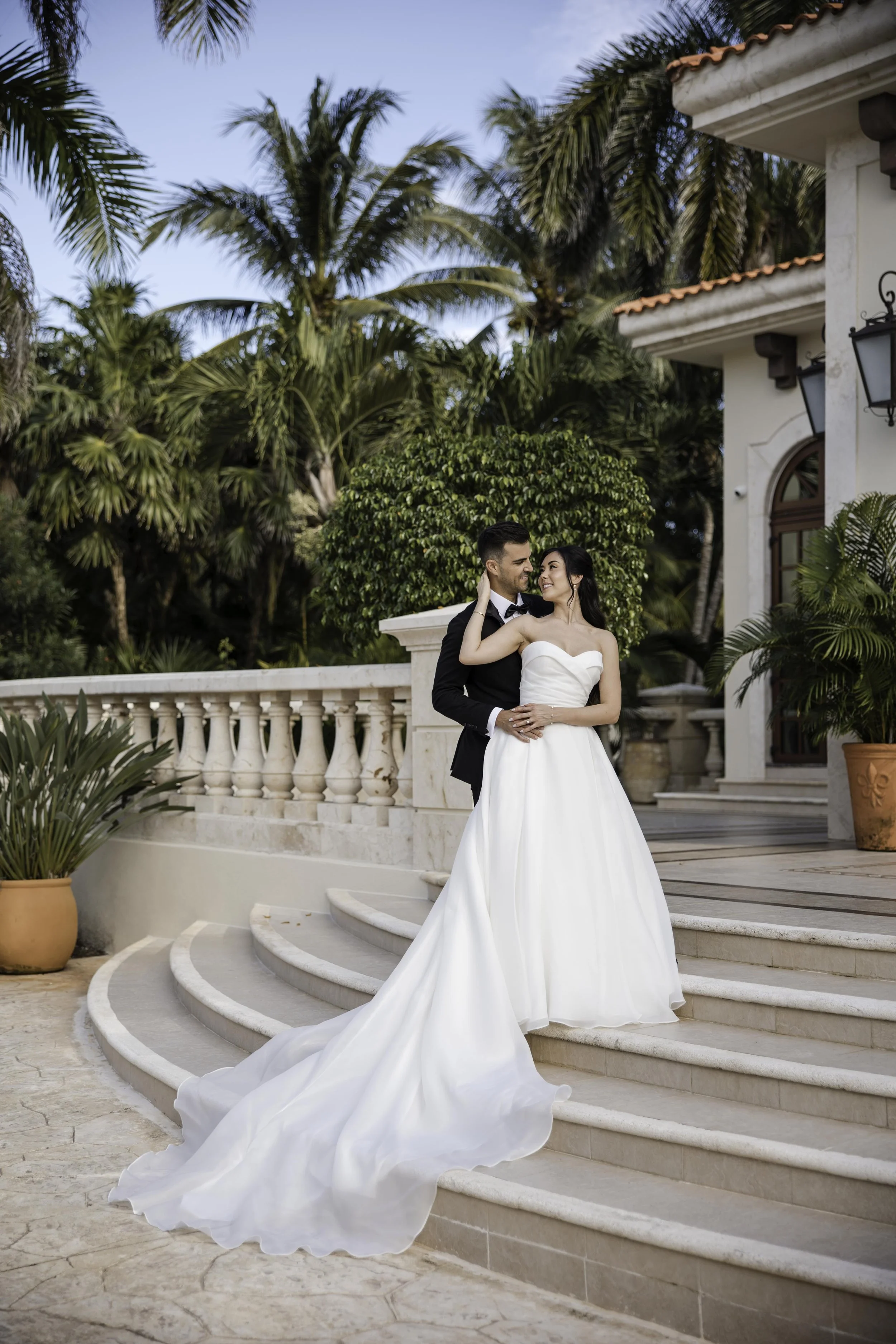
The Reality of Cropping and Bleed Lines
Have you ever picked up a cheap drugstore print and noticed that the top of your head is mysteriously chopped off? Or maybe the beautiful floral arch you spent thousands of dollars on is completely missing from the frame? This happens because automated drugstore printers force your high-resolution digital files into standard aspect ratios without any human oversight whatsoever. If your photo doesn't perfectly fit their rigid 8x10 template, the machine simply slices off the edges to make the math work, totally ruining the composition.
Professional print labs actually have real, trained humans monitoring the process. Before anything ever goes to the printer, a technician reviews the crop lines to ensure no important details are lost in the margins. If you order a large canvas or a fine art print directly through your Arch Wedding Studio gallery, the lab accounts for the "bleed"—the edge of the paper that wraps around the wooden frame. This guarantees your composition stays perfectly intact, looking exactly the way I originally framed it through my camera lens.
Don't Put Cheap Gas in a Ferrari
Let's put this into a little bit of perspective. Hiring your photographer is likely one of the most significant financial investments you will make for your entire celebration. You spent months perfectly planning the aesthetic details, you flew your closest friends to another country, and you hired a professional to capture it all flawlessly. Taking those carefully crafted, high-end digital files to a one-hour pharmacy printer completely undermines the serious investment you just made in your memories.
Think of it like buying a luxury sports car and then deliberately putting the cheapest, lowest-grade gas in the tank. It just doesn't make any sense. By ordering your physical prints directly through your professional gallery, you ensure the artwork matches the high-end quality of the digital files. It is the final, crucial step in preserving the memories of your destination wedding photography experience exactly as you remember it happening on the beach.

Ready to Print Your Masterpieces?
Your wedding photos deserve to live off your computer hard drive and on the walls of your home. But more importantly, they deserve to look exactly the way the day actually felt. Don't let a generic drugstore kiosk turn your magical Mexican sunset into a weird, green-tinted mistake just to save a few dollars. Treat your memories with the respect they deserve by printing them through a professional lab that actually cares about the final physical product as much as you do.
If you are still looking for a photography team that will guide you through this entire process—from capturing the raw emotion on the sand to delivering stunning, color-perfect artwork for your home—I would absolutely love to chat. Head over to my contact page to inquire about your wedding date so we can start planning. Let's make sure every single detail of your celebration looks incredible, both on your screen and proudly framed in your living room.