
I've photographed weddings from Cancun down to Tulum for years, and I can tell you the scariest part of a destination wedding isn't the weather or the logistics. It's signing a vague contract with a photographer who's flying to another country with you. A solid destination wedding photography contract protects both of us, and honestly, if a photographer hands you two paragraphs and a payment link, that should worry you more than a hurricane forecast.
So let me pull back the curtain. Here's exactly what I put in my contracts, why each clause exists, and what a fair version looks like before you sign anything.
Why a Destination Wedding Photography Contract Is Different
A local wedding contract covers a car ride and an eight-hour workday. A destination wedding photography contract has to cover flights, customs, hotel stays, tropical storms, resort vendor policies, and the very real possibility that something outside anyone's control shifts your entire timeline.
When I shoot at properties like Hotel Xcaret Mexico or Moon Palace, there are also resort-specific rules: outside vendor fees, day passes, and access restrictions that need to be assigned to someone in writing. If your contract doesn't say who pays the vendor fee, guess who finds out at check-in? You do. If you want a sense of how the standard clauses work before we get into the destination-specific ones, this clause-by-clause wedding photography contract walkthrough is a helpful primer.
Weather Delays and the Wedding Photographer Cancellation Policy
Hurricane season on the Riviera Maya runs June through November, and I've moved more than one ceremony from beach to ballroom with 40 minutes' notice. Your contract needs to spell out three separate scenarios, because they are not the same thing.
You cancel or postpone
A fair wedding photographer cancellation policy explains what happens to your retainer if you cancel, and whether you can transfer it to a new date. My retainer is non-refundable because it holds your date and blocks me from booking anyone else that week, but I let couples apply it to a rescheduled date within a set window. That's the version you want to see. What you don't want: a policy that keeps every dollar you've paid, including final balances, with zero transfer option.
The photographer cancels
This clause matters even more. If I can't make it due to illness or emergency, my contract says I'll find a comparable replacement photographer or refund what you've paid. Ask any photographer flying internationally what their backup plan is. If they don't have an answer, that's your answer.
Weather and force majeure
Force majeure covers hurricanes, airport closures, and government travel restrictions. A good clause lets both parties reschedule without penalty when something genuinely outside our control happens. Read this one carefully: some contracts define force majeure so narrowly that a named storm shutting down Cancun's airport still counts as "your" cancellation.
Wedding Photography Travel Fees: Get Every Number in Writing
Here's where couples get burned most often. Wedding photography travel fees should be one clear number or one clear formula, stated in the contract, before you pay a retainer.
Because I'm based in the Cancun and Playa del Carmen area, couples marrying at resorts along the Riviera Maya usually pay little or no travel fee with me, which is one reason hiring a local shooter often beats flying someone in. But if you're bringing a photographer from home, the contract should itemize:
Flights: economy or premium, and who books them
Accommodation: how many nights, and whether it must be at your resort
Ground transportation: airport transfers and local travel
Meals or per diem: a flat daily rate is cleanest
Resort vendor fees or day passes: these can run $100 to $800+ at all-inclusives, so assign them explicitly
Watch out for "travel billed at cost after the wedding." That's a blank check. Ask for a cap or a flat fee. My own travel terms are baked into my packages, and you can see how that works on my pricing page with no surprise line items later.
The Photo Delivery Timeline Clause You Should Insist On
A photo delivery timeline clause tells you exactly when you'll see your images and in what form. "Photos delivered when ready" is not a clause, it's a shrug.
Here's what a fair one includes:
Sneak peeks: I deliver a preview gallery within 72 hours, because I know you're still at the resort and dying to post something.
Full gallery deadline: a hard number, typically 6 to 10 weeks for destination weddings. Mine states the maximum in writing.
Image count minimum: a guaranteed floor, like "no fewer than 60 edited images per hour of coverage."
Delivery method: online gallery, download rights, and how long the gallery stays live.
Also check whether albums or prints have their own timeline, since physical products shipped internationally take longer. You can see how I map all of this against your wedding day on my timeline page.
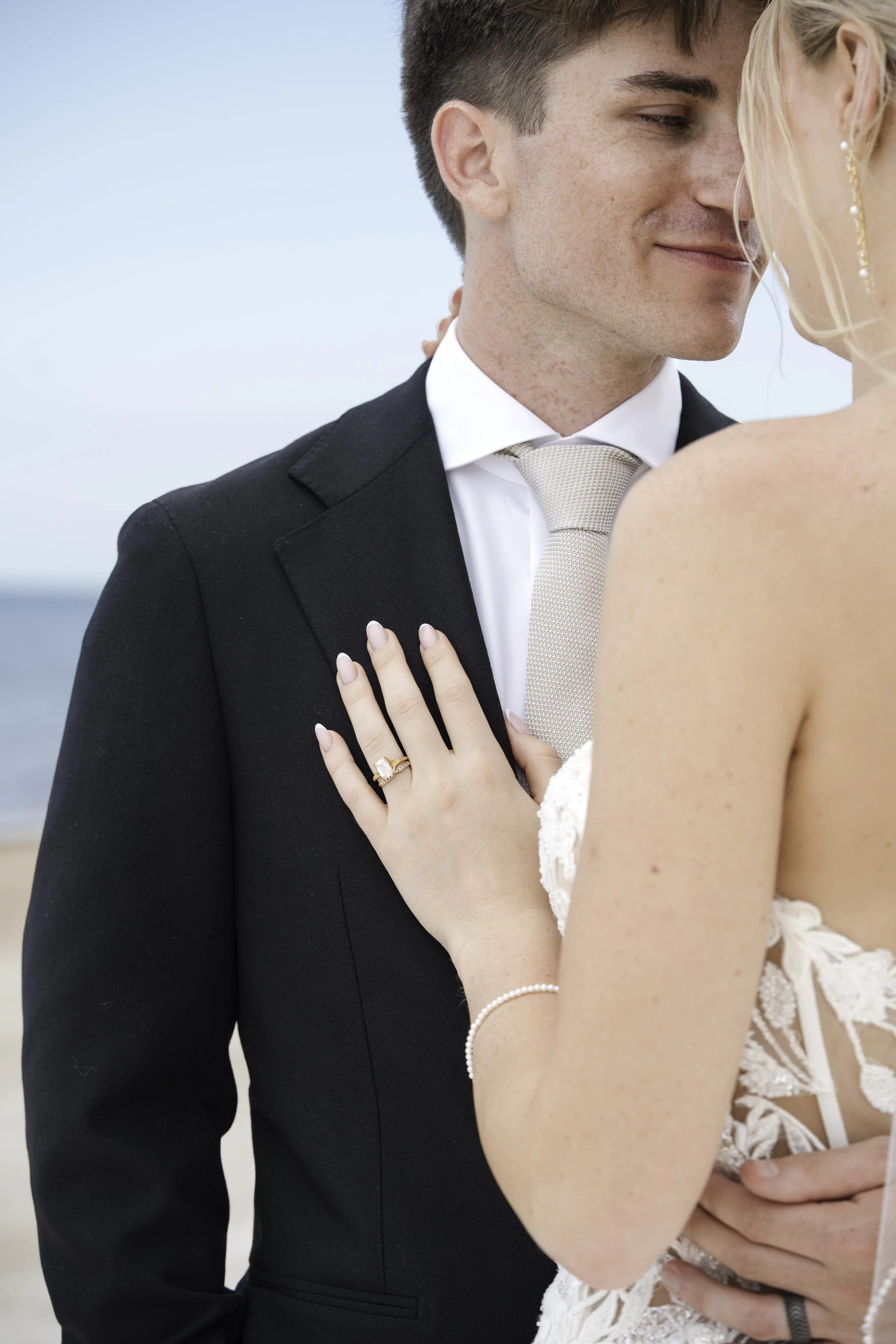
Image Licensing in a Destination Wedding Photography Contract
This is the section almost nobody reads, and it decides who can do what with your photos forever.
In the US and Mexico alike, the photographer typically owns the copyright. What you receive is a license. A fair destination wedding photography contract grants you a personal use license: print anywhere, share anywhere, make albums for your families, no watermarks, no per-print fees. That's the standard, and anything less deserves a hard conversation.
Then check what the photographer can do. A model release lets me share your images on my portfolio and social media. Most couples are happy with that, but if you want privacy, ask for a limited release or an opt-out before signing, not after your gallery is delivered. If you want to compare against a professionally drafted version, The Legal Paige sells a widely used destination wedding photography contract template that shows what attorney-reviewed licensing language looks like.
One more destination-specific note: if your resort or planner requests images for their own marketing, that permission should come from the photographer, not from you, since you hold a license rather than the copyright.
Frequently Asked Questions
Should I hire a local photographer or fly one in for my Mexico wedding?
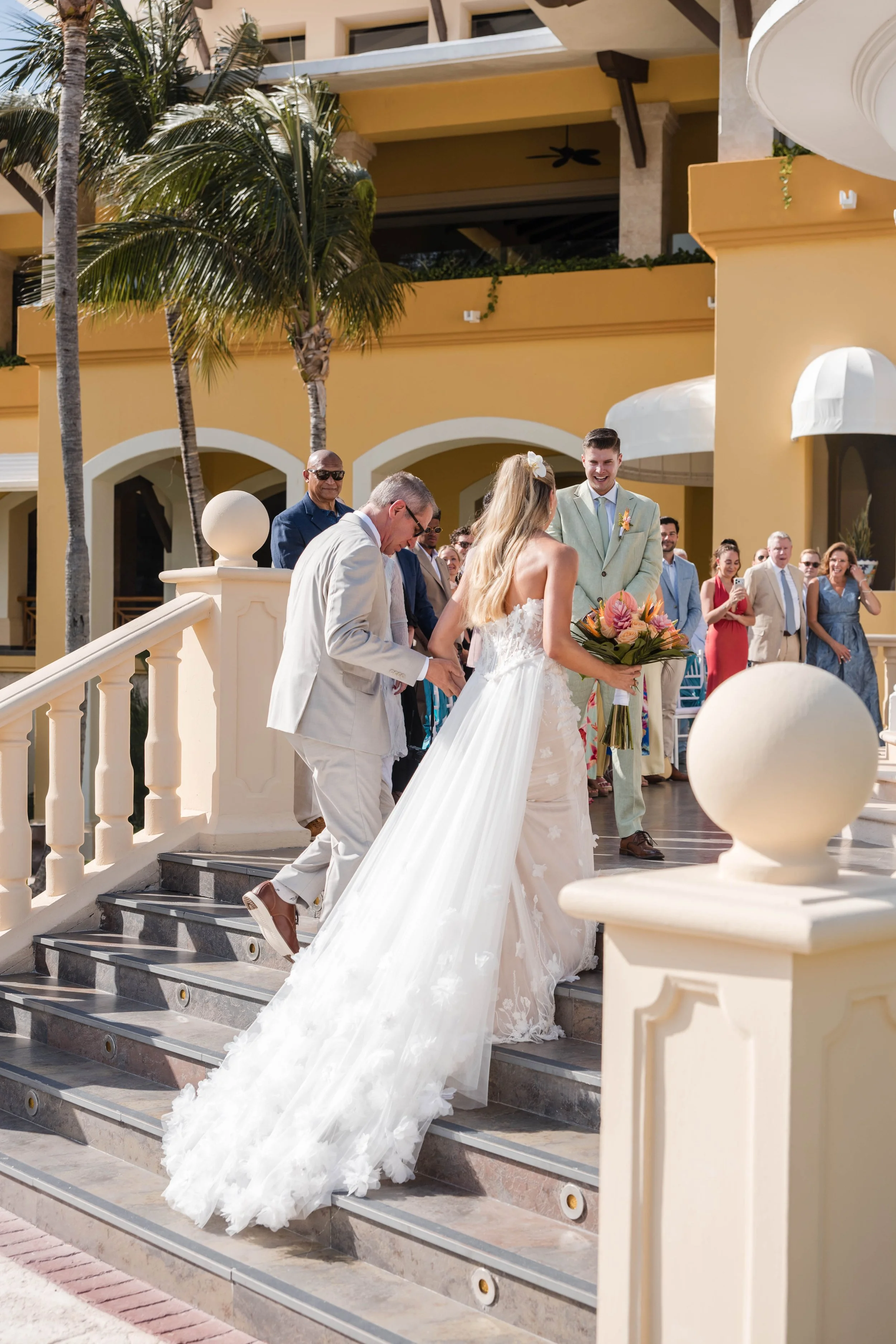
Both work, but a local photographer eliminates most travel fees, flight-delay risk, and force majeure headaches. I already know the light, the resorts, and the vendor fee rules at properties across Cancun, Tulum, and Playa del Carmen, which simplifies your contract considerably.
What deposit is normal for a destination wedding photographer?
Most photographers charge a 25% to 50% non-refundable retainer to hold the date, with the balance due 30 to 60 days before the wedding. Anything requiring 100% upfront months out is a red flag.
Can I negotiate contract terms before signing?
Absolutely, and a professional will welcome the questions. Reasonable asks include a rescheduling window for your retainer, a written delivery deadline, and clarity on travel costs. If a photographer refuses to put verbal promises in writing, walk away.
If you're planning a wedding anywhere along the Riviera Maya, this is the exact conversation I'd love to have with you before you sign anything, with me or anyone else. At Arch Wedding Studio, I photograph destination weddings across Cancun, Tulum, Los Cabos, and Playa del Carmen with a contract that puts every one of these clauses in plain English. Take a look at my Cancun destination wedding photography work, and when you're ready to talk dates, resorts, and real numbers, send me an inquiry through archweddingstudio.com. I'll walk you through my contract line by line, and you'll know exactly what you're signing before your toes ever hit the sand.